
Devon Andre -Dec 9,2024
Dec 9,2024

Advertisement
Advertisement
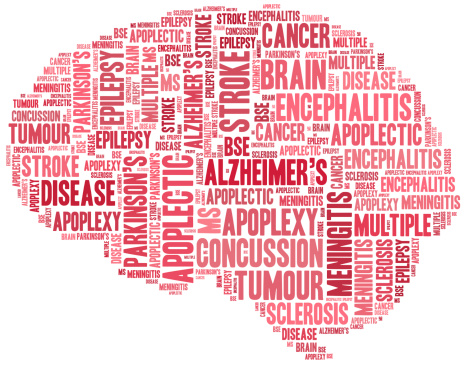
A link has been found between concussions and Alzheimer’s disease. For the study, researchers examined 160 U.S. veterans from the Iraq and Afghanistan wars to determine if concussions accelerate the Alzheimer’s disease pathogenesis. The researchers uncovered that concussions do speed up brain deterioration and mental decline in individuals who have a genetic predisposition for Alzheimer’s ...click here to read more

Sleep problems pertain to a wide range of disruptions in patterns of sleeping, such as the inability to sleep, or insomnia, and the grinding of teeth during sleep. These disruptions may actually interfere with the capacity of a person to rest each night, resulting in a variety of physical and mental health issues that require ...click here to read more

The MIND diet stands for Mediterranean-DASH Intervention for Neurodegenerative Delay and has been shown to improve brain health and reduce the risk of Alzheimer’s disease. As we age, the threat of developing Alzheimer’s increases. Although the cause of Alzheimer’s disease is still unknown, researchers are working diligently to uncover more information to combat this life-changing ...click here to read more

Smartphone device may assess your sleep-wake cycle and help your monitor your obstructive sleep apnea (OSA). Researchers from Ben-Gurion University of the Negev (BGU) developed a system of monitoring sleep-wake cycle among patients by simply using the patient’s smartphone. Dr. Yaniv Zigel, head of BGU’s Biomedical Signal-Processing Research Lab (BSP) and Professor Ariel Tarasiuk, head ...click here to read more

An immune cell has been discovered that may help fight Alzheimer’s disease, multiple sclerosis, and other neurological conditions. Found in the meninges around the brain, this rare type of cell may play a critical role in battling numerous neurological diseases and supporting healthy mental functioning. If the power of this cell is harnessed, it could ...click here to read more
Advertisement

A recent study found that older adults who consumed healthy foods had the so-called crystallized intelligence, the ability to use their skills and knowledge acquired over lifetime. The researchers discovered that a pigment commonly found in dark leafy greens, as well as in egg yolks and cruciferous vegetables, offers neuroprotective properties to the brain. Earlier ...click here to read more
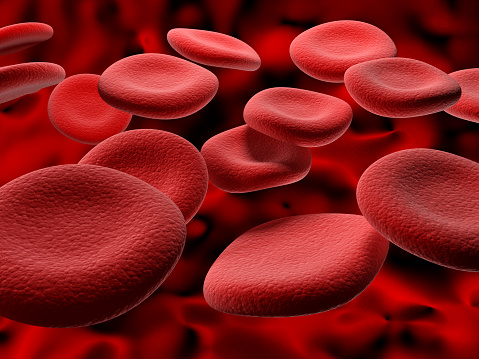
In multiple sclerosis (MS) patients, brain shrinkage is associated with hemoglobin leakage from the damaged red blood cells. The researchers found that treatments that lower hemoglobin levels actually slowed down MS disease progression. Hemoglobin is a protein in red blood cells that carries iron and oxygen around the body. The study involved 140 participants with ...click here to read more

High intake of cholesterol and consumption of eggs are not associated with an increased risk of Alzheimer’s disease or dementia – even in those carrying the APOE4 gene variant (which affects cholesterol metabolism and increases the risk of memory disorders). Previous research has linked high cholesterol to a higher risk of cardiovascular disorders and memory ...click here to read more
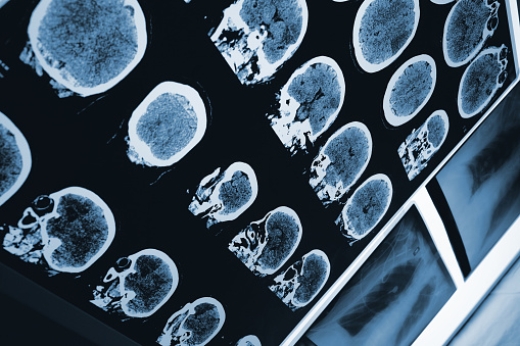
Stroke recovery can be improved with a new treatment that creates new nerve synapses – essential for learning – in the brain. Researcher Marcela Pekna explained, “More nerve sprouts and connections between nerve cells are created so that the remaining cells can take over functions that the dead cells once had.” The researchers focused on ...click here to read more

Physical inactivity and poor diet are common risk factors contributing to poor health in multiple sclerosis (MS) patients. Developing other health conditions in MS could delay the diagnosis and accelerate the progression of the disease. Common risk factors referred to as SNAP – smoking, poor nutrition, excess alcohol, insufficient physical activity – contribute to the ...click here to read more
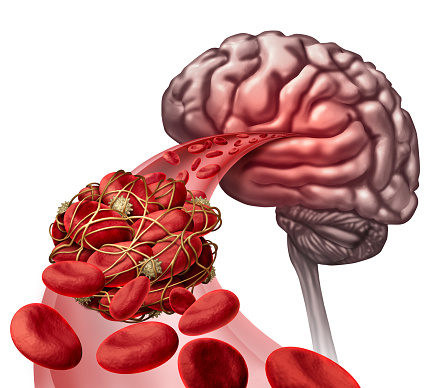
All of us have clotting factors in our body to make sure that we don’t bleed to death if we cut ourselves, but under certain circumstances people can experience blood clots in the brain and that can be life-threatening. A blood clot forms in an attempt to repair some sort of damage to a blood ...click here to read more
Although it may not be a common term, silent stroke is a leading cause of vascular dementia that impacts about one-third of those over the age of 70. A better understanding of silent stroke can help many people reduce the risk of memory problems associated with vascular dementia. During a typical stroke, a clot blocks ...click here to read more

Cognition and brain structure can be affected by dysglycemia – blood glucose abnormalities – in older adults. The researchers conducted a cross-sectional and longitudinal cohort study, examining the association of dysglycemia with cognitive function. The researchers found that dysglycemia correlated with a higher number of brain infarcts, white matter hyperintensities volume, and decreased total white ...click here to read more

Anxiety in dementia patients may be effectively managed with tablet devices, according to research findings. Researcher Ipsit Vahia explained, “Tablet use as a non-pharmacologic intervention for agitation in older adults, including those with severe dementia, appears to be feasible, safe, and of potential utility. Our preliminary results are a first step in developing much-needed empirical ...click here to read more
Five-Star Guarantee of Satisfaction