

 If you’re struggling to keep blood sugar in check, or reduce the risk for diabetes, zero-calorie sweeteners may seem like a great idea.
But things aren’t always what they seem.
These sweeteners contain very few or no calories, but have a much higher sweetness intensity than common calorie-containing sweeteners like sugar or high-fructose corn syrup (HFCS).
They are used in several products like desserts, yogurt, candies, baked goods, cereals, puddings, and “diet” drinks like soda and iced tea.
But even though these products don’t contain calories or sugar, they don’t necessarily reduce the risk for chronic health conditions. In fact, there is data to show they may actually boost the risk for diabetes and heart disease.
One large study showed that both sugar-sweetened beverages and zero-calorie sweeteners were associated with an increased risk for type diabetes. One theory is that zero-calorie sweeteners may stimulate appetite and preference for sweets.
Other work shows LCS may lead to weight gain or at least have no effect on weight loss. However, other studies suggest it could play a role in weight loss. Weight and blood sugar levels are closely related.
The human brain responds to sweetness with signals to eat more. So by consuming ultra-sweet products with zero-calorie sweeteners, cravings for sweetness may intensify, leading to increased consumption of extra calories.
It is possible, however, that zero-calorie sweeteners could be a useful tool to satisfy an occasional craving for sweetness, but it’s likely not a good thing to make them a staple in your diet.
Getting a handle on blood sugar is best accomplished by increasing activity and eating a diet that is low in processed food (foods with zero-calorie sweeteners) and sugar and high in whole fruits, vegetables, whole grains, nuts, legumes, and lean protein.
Adopting a healthy diet will take some time – your tastebuds will adjust. You just have to be patient. Cravings should eventually subside, and you’ll be on your way towards lower blood sugar and lower risk for type-2 diabetes,

 You may not look at the urine you’ve just expelled before flushing it away; it’s not something most people really want to examine. But it can give you an idea about what’s happening inside your body.
 If you’re one of the more than 1.3 million Americans living with rheumatoid arthritis (RA), you know that this chronic inflammatory condition can affect every area of your life. While there’s no cure for RA, there are ways to manage its symptoms so you can live as normal a life as possible.
 How are you taking care of your bones to ensure they stay strong, dense, and healthy as you age?
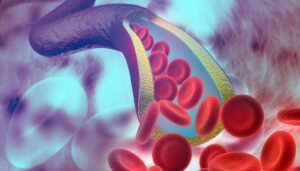 So you’ve probably heard of “clogged” arteries and how they can boost your risk for a heart attack or stroke.]
 A recent study suggests that there may be a link between an inflammatory diet, depression, and an increased risk of frailty.
 Throughout your life, you’ve likely lost contact with former friends. Not that anything bad happened, just that as life moved on and became busier, you lost touch.
 If you are one of the many adults in the United States who has the non-alcoholic fatty liver disease (NAFLD), there’s a higher chance you’ll develop dementia down the road.
 If you want to feel like you matter as you get older and your career is in the rear-view mirror, you might want to start finding ways to increase socialization.
 You’ve learned a lot of things in your life. Far too many to remember. So, cut yourself some slack when something slips your mind, especially if it’s not particularly important to you.
 Depression is a serious mental health condition that can lead to several health problems, including stroke. A new study has found that adults who exhibit symptoms of depression are at an increased risk of having a stroke.
 Do you reach for the saltshaker the minute you sit down for a meal? You could be seasoning your way to a shorter life if you do.
 New research suggests that consuming dark chocolate has positive effects on brain functions. The study, which was conducted by a team of international researchers, found that eating dark chocolate improved the blood flow and function of the brain.
 Genetics can certainly play a role in a man’s risk for prostate illness, but a new study suggests that much of that harm can be limited by a healthy lifestyle.