

 Bananas are known for their sweetness. If you ask me, they basically taste like candy. But don’t let that fool you: these long yellow fruits can offer important health benefits.
New research is showing that bananas and other potassium-rich foods can boost heart health, particularly in women.
Potassium-rich foods like bananas, avocado, and salmon can help counteract the negative effects of salt and work to reduce blood pressure. A high salt diet can contribute to high blood pressure and boost the risk for heart attack and stroke. Potassium helps the body excrete more sodium in urine.
The study included about 25,000 British men and women between the ages of 40 and 79 who took part in a study between 1993 and 1997. They completed questionnaires about lifestyle habits and had blood pressure and urine samples analyzed.
In women, the researchers found that blood pressure went down as potassium consumption went up. They learned that every 1-gram increase in daily potassium was associated with a 2.4 mm Hg lower systolic blood pressure.
Participants were followed for an average of 19.5 years, and after controlling for a series of factors, it was determined that people with the highest potassium intake had a 13 percent lower risk for heart-related problems than those with the lowest intake.
The results of the study suggest that potassium can help preserve heart health, although the benefits are more pronounced in women than men. They found that potassium benefitted heart health regardless of sodium intake, which suggests it has benefits beyond increasing the rate of sodium excretion.
The World Health Organization recommends adults consume at least 3.5 grams of potassium and fewer than 5 grams of salt daily.
A 4-ounce banana has 375 mg of potassium, while a 5.5-ounce piece of cooked salmon has more than twice that. You can also find it in potatoes, milk, avocado, oranges, grapefruit, sweet potatoes, legumes, beets, and more.

 Experts recommend consuming green tea extract to support healthy blood sugar levels and improve gut health. Studies have shown that green tea extract can help improve glucose tolerance and reduce inflammation in the gut in people with a cluster of heart disease risk factors.
 You might be feeling it if you’ve recently started working out or gone back to a workout routine after a lay-off.
 Forget what you thought you knew about COVID reinfection because the game has changed.
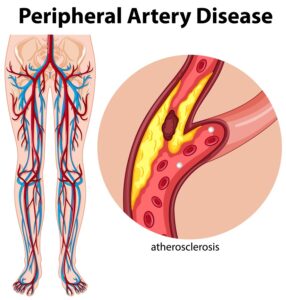 New research published in the Journal of the American Heart Association suggests that walking at a pace that induces pain or discomfort could improve walking ability among patients with peripheral artery disease (PAD).
 People wake up about four times per night, on average. Most fall back to sleep quickly like nothing happened, and it isn’t a problem. But as age goes up, the number of awakenings can, too.
 It’s no secret that exercising is good for you. Numerous studies have shown that people who exercise regularly live longer, healthier lives. However, the amount of exercise necessary to reap these benefits may be surprising to some.
 Weather and arthritis pain have been associated for a long time. When it gets cold, rainy, humid, or the barometric pressure rises, many report that symptoms get worse.
 You might be feeling a little tired these days. It’s the dog days of summer when it gets hot, the days are long, and you might be feeling a little less energized than you’d like.
 If you often take a nap during the day, you may be at an increased risk for high blood pressure and stroke. A recent study found that adults who napped frequently were more likely to have hypertension than those who didn’t nap. So, if you’re looking to keep your blood pressure under control, it’s best to avoid taking too many daytime snoozes.
 Meditation and mindfulness have been used for centuries to help control pain, but exactly how it works has been a mystery. A new study may explain how these ancient practices may alter brain function to relieve pain.
 Although potassium is often thought of as a mineral that benefits the bones, it’s also important for heart health. In fact, potassium could help to reduce the adverse effects of salt in the diet, whereas a lack of potassium can lead to an increased risk of heart disease and other health problems.
 Digestive problems, at one point or another, are likely to hit everybody. For some, it could be a one-off bout of gas or diarrhea after eating something their stomach didn’t agree with.
 If you’re concerned about your cholesterol levels and want to bring them down, you really need to get acquainted with fiber. It might just be your best friend in giving you the support you need.