


Can You Save Your Posture?

Shot of a young businesswoman experiencing back pain while working in an officeRounded shoulders and a hunched back might seem like they’re just part of the aging process, but they are not. And there is a good chance you can improve posture so you stand up taller, feel stronger, and have a lower risk for a potentially dangerous tumble.

It’s probably a lot easier than you think too. The key to better posture is often about changing some of your activities and habits and strengthening a couple of muscles.

Poor posture is generally caused by modern-day habits like slouching on the sofa while watching television, working at a computer, or looking down at a tablet or smartphone. It can also be from carrying heavy stuff, like equipment at work, grocery bags, purses, etc.

All of these activities can make you stoop over or pull your shoulders forward. The muscles in the back of your shoulders, which can help keep you standing up tall, become overstretched and weak while shortening the muscles in the front of your shoulders and chest. This causes the hunched-over, rounded shoulders look.

The core muscles in your abdominals and back also play a role in posture. Inactivity can reduce strength in these muscles and lead to stopping/leaning forwards. Your core muscles are crucial to lifting your body and keeping it upright.

The real key to fixing your posture is stretching and strengthening your back, core, shoulders, and chest muscles. You’ll ultimately want to strengthen the core and rear shoulders while focusing on stretching out the chest.

You can strengthen your shoulders by squeezing your shoulder blades together (scapula squeezes) for 30 seconds at a time and using resistance bands to perform rows. Attach the band to a fixed surface, grip it with your hands, and pull your elbows back.

To stretch out your chest, simply put your arms behind your back and grasp your forearms. If you can reach your elbows, even better! Hold the position for 15-30 seconds.

Strengthening your core can be done by planks or simply tightening the muscles by drawing your belly button inwards.

Take screen breaks, pull your phone to your face instead of looking down, and sit with a rolled towel between your shoulders while sitting on the sofa.

All of these tactics can help restore your posture in six to 12 weeks.

A Longer Life Is Literally Right in Front of You

Jack Russell Terrier in harness walking on loose leashDo you want to live longer and better? Then forget about the potions and pills and just go get it.
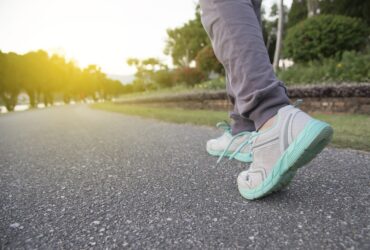
Literally. It is right in front of you.

People can add years to their life just by getting off the sofa every day and going for a walk. And doing even more than that will offer even more benefits.

A new study looking at more than 100,000 Americans for decades learned that people who exercise as much as health experts recommend tend to live longer and better than those that don’t.

Experts recommend that adults should aim for 150 to 300 minutes of moderate exercise per week. Activities like brisk walking, dancing, and gardening are examples. For those who want to go a little harder, like for a jog or a fast bike ride, 75 to 150 minutes per week is good.

The study found that people who do that in middle age are about 20 percent less likely to die in the next 30 years than those that don’t.

However, the study also found that going beyond those recommendations can be even better.

People who got two to four times the exercise shaved even more risk away from dying early.

But really, the advice is for people who are not active. Insufficiently active people have much to gain by including more movement in their daily routine.

People meeting the base level for exercise per week were about 25 to 31 percent less likely to die from heart disease or stroke compared to their sedentary counterparts. The risk of non-cardiovascular death was cut by 15 to 20 percent.

Those that exercised vigorously for 150-300 minutes saw all-cause mortality risk drop by 22 percent versus sedentary people. Larger doses of moderate exercise (300-600 minutes per week) lowered death risk by more than 30 percent.

Doing something is always better than nothing. If you want to live longer and better, start by taking the first step.

Remember This If You’ve Got Pad: No Pain, No Gain

Road to success,running on road with sports shoes,healthy lifestyle sports woman running, female legs with sneakers jogging in evening prepare for marathonIf you’ve got peripheral artery disease, you might want to remember the phrase “no pain, no gain” and live by it.
New research found that people with peripheral artery disease (PAD) who walked at a pace that caused discomfort or even pain were able to boost their overall walking ability.

So, even though exercise that causes pain is difficult, it could be quite beneficial.

PAD occurs when arteries that transport blood from the heart throughout the body narrow and reduce oxygen and blood flow. It is typically felt in the legs and can lead to cramping, weakness, fatigue, aching, and pain during walking. The symptoms typically subside after about 10 minutes of rest.

The new study, published in the Journal of the American Heart Association, included 264 people with PAD. Each was randomly assigned to one of three groups for 12 months. The groups either:

  • Walked at home at a comfortable pace
  • Walked at a pace that caused leg symptoms
  • No walking

Each participant completed leg function tests at the beginning of the study and again at six and 12 months. Researchers measured how quickly each participant could walk 13 feet at their usual pace and then as fast as they could go.

They also competed other physical performance tests.

The group that walked until discomfort or pain was able to walk further than those who walked at low intensity at both the six and 12-month intervals. Further, the higher-pace walkers were able to outperform their counterparts on the leg function tests.

If you’re battling PAD, try to pick up the pace and push through the onset of the pain. Doing so may lead to greater functionality and walking capacity.

Measuring Blood Pressure in Both Arms May Improve Hypertension and Cardiovascular Disease Diagnosis: Study

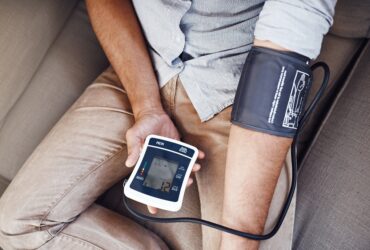
Closeup shot of an unrecognizable man monitoring his blood pressure levels with a blood pressure monitor at homeIt’s been known for a while that high blood pressure is best detected by taking readings from both arms, but a recent study has provided evidence to suggest it may also help to diagnose hypertension and cardiovascular disease.
The study showed that when diagnosing hypertension, using blood pressure measurements from both arms resulted in more accurate diagnoses than relying on information from a single arm. If you’re concerned about high blood pressure, make sure you talk to your doctor about getting measured in both arms. Doing so could help ensure an accurate diagnosis and the best possible treatment plan.

The study was led by the University of Exeter and included information from
53,172 participants in 23 studies worldwide. The study’s main purpose was to examine the implications of choosing higher or lower arm pressure.

Researchers found that using the higher arm blood pressure reading reclassified 12 percent of people with hypertension who would have otherwise fallen below the threshold for diagnosis if the lower reading arm had been used.

Christopher Clark, from the University of Exeter, said, “High blood pressure is a global issue, and poor management can be fatal. This study shows that failure to measure both arms and use the higher reading arm will not only result in underdiagnosis and undertreatment of high blood pressure but also under-estimation of cardiovascular risks for millions of people worldwide.”

It is impossible to know which arm is the best for blood pressure measurement since some people have a higher reading in their left arm than in the right. This study helps to show the importance of checking both arms to help better detect hypertension and cardiovascular disease.

International guidelines advise clinics to measure blood pressure in both arms; however, the practice is not widely used. Researchers hope this study will help get the word out that both arms should be checked when measuring blood pressure.

Maintaining Healthy Blood Pressure

By maintaining healthy blood pressure, you can help support overall heart health. Healthy Blood Pressure Support has been shown in human clinical studies to help support healthy blood pressure making it an excellent choice for those looking to support cardiovascular health. In addition, Healthy Blood Pressure Support also supports healthy cholesterol levels.

Things You Can Do Today to Prevent Vision Loss from Glaucoma

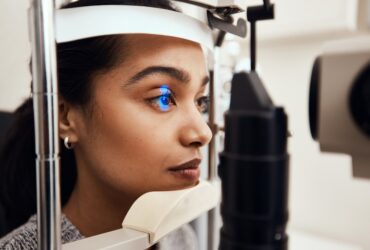
Shot of a young woman getting her eye’s examined with a slit lampIt is possible to have glaucoma and not even know it. The condition slowly damages the eye’s optic nerve, and people with it usually lose vision before they notice a problem.
Primary open-angle glaucoma is the most common type of glaucoma. Fluid in the eye does not drain properly and pressure grows, eventually leading to damage of the optic nerve. The optic nerve is an important link between your eyes and brain.

This type of glaucoma first takes away your side vision or peripheral vision – so it can be rather elusive. Over time, however, it may begin to impact central vision, or what you see in front of you.

Once vision is lost from glaucoma, it cannot be restored. Doctors don’t even really know how to stop it from developing.

There are, however, some ways to prevent serious vision loss and blindness from glaucoma.

Regular Eye Exams: Regular eye exams can help spot glaucoma early and allow for more treatment options. The earlier it is identified, the easier it can be to slow its progress. It’s a good idea to learn your family history so your doctor can assess your risk level.

Eat Well: Eating plenty of colorful fruits and vegetables can help protect your eyes. Getting vitamins and minerals from nutritious foods is more effective than supplementing with vitamins.

Exercise Carefully: Intense exercise can boost heart rate and eye pressure. If you have been diagnosed with glaucoma, stick to moderate exercise, brisk walking, and work at a pace that doesn’t get your heart rate too high. If you prefer high-intensity exercise, proper breathing technique is a must.

Protect Your Eyes: Eye injuries can boost the risk for glaucoma, so wear protective eyewear for work and sports. UV rays may also contribute to glaucoma, so getting a pair of 100% UV-blocking sunglasses is recommended.

Have Sleep Apnea Treated: There is a close link between sleep apnea and glaucoma, so treating sleep apnea may slow the progression of glaucoma.

Risks of Heart Attack and Stroke Increases Due to Gout Flare-Ups: Study

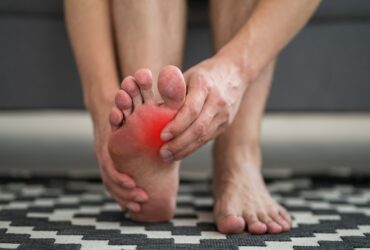
Foot pain, man suffering from feet ache at home, podiatry conceptPeople who have gout may need to be cautious of an increased risk of heart attack and stroke. New research from the University of Nottingham suggests that cardiovascular risks increase in the four months after a gout flare.
Gout is a form of arthritis caused by high levels of uric acid in the blood. The uric acid can form crystals in the joints, leading to inflammation and pain. Gout can occur suddenly, often following a period of high uric acid levels in the blood, or it can develop gradually over time.

The most common gout symptom is severe joint pain, usually in the big toe. Other symptoms may include redness and swelling in the joint, warmth and stiffness in the joint, and a limited range of motion. It can be treated with medications that help lower uric acid levels in the blood and lifestyle changes such as diet and exercise.

Although no previous studies have been recorded, people with gout have been noted to have more cardiovascular risk factors. In this new study, researchers analyzed whether there was a temporary increase in the risk of stroke or heart attack after a gout flare.

For the study, researchers analyzed data from 62,574 patients with gout treated in the National Health Service in the UK. Of these, 10,475 experienced strokes or heart attack after being diagnosed with gout, while others of similar age, sex, and duration of gout did not experience such events.

It was found that gout patients who suffered a heart attack or stroke were twice as likely to have had a gout flare in the 60 days prior to the event. They were also one and a half times more likely to have a gout flare in the preceding 61-120 days. Patients who died from a stroke or heart attack had over four times the odds of experiencing a gout flare in the preceding 61-120 days.

Professor Abhishek, the lead author of the study, said, “People with gout should be encouraged to adopt a healthy lifestyle with appropriate treatment of conditions such as high blood pressure, high cholesterol, obesity, and diabetes to minimize their background risk of heart attack and stroke.”

Heart and Joint Health

While many people don’t associate joint and joint health together, this study helps show a relationship between the two. Supporting bone health is also just essential as you age. Bone Rescue can help to support the maintenance and development of bones thanks to its unique formula, including strontium. Chemically similar to calcium, strontium can provide great support for aging bones. Bone Rescue contains 680 mg of strontium along with additional ingredients to help keep bones strong and healthy.

Keeping the heart strong and healthy is also vital for enjoying a high quality of life as you age. Heart Rescue was designed to help support and promote heart health using a variety of ingredients, including omega-3 fatty acids, CoQ10, magnesium, and hawthorn extract. This formula’s health benefits can help strengthen the heart muscle, support circulation, and help reduce the risk of cardiovascular disease.

Stress can take a toll on the body, affecting the cardiovascular system and the brain. The Smart Pill can help counteract these effects through nine ingredients that help support, nourish, and maximize brain health and cognitive function. These include ginkgo biloba, huperzine A, bacopa extract, rosemary extract, and a B vitamin complex. This unique formula helps boost circulation, fight free radicals, and help to promote clear thinking.

New Study Indicates Liver Fat Boosts Risk for Heart Failure

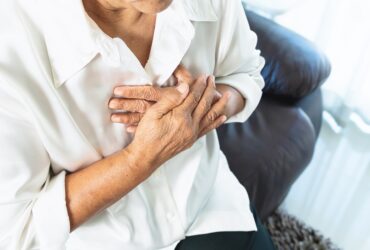
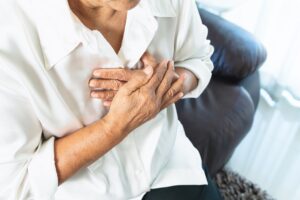
old woman having heart attack and grabbing her chestPeople might not like the body fat that they can see, but the fat they can’t see is actually much more dangerous to their overall health. Visceral fat, which is the stuff stored deep in the belly, wraps around your organs, and it’s nearly impossible to know how much you have.
One of the areas where visceral fat can grow is around the liver. In fact, fat can actually grow on the liver, which inhibits its ability to function properly. If left unchecked, liver fat can lead to fatal liver disease.

About 30 percent of adults worldwide have a buildup of fat around their liver, a condition called non-alcoholic fatty liver disease, or NAFLD.

Now a team of international researchers has linked NAFLD to a higher risk for heart failure.

NAFLD rates have been skyrocketing in recent years as more people become overweight and obese.

The study involved a review of 11 long-term studies from five countries (United States, United Kingdom, South Korea, Sweden, and Finland) that were published through March of this year.

Researchers looked at links between liver disease and heart failure in more than 11 million middle-aged adults. Half of the participants were women, with an average age of 55 and a BMI of 26, which is considered overweight but not obese.

They found that about 26 percent, or 2.9 million study participants, already had NAFLD. During the 10-yeat monitoring period, more than 97,000 were diagnosed with heart failure. Heart failure is a condition where the heart cannot pump enough blood around the body.

NAFLD was associated with a 50 percent higher risk of developing heart failure over the next decade and also seemed to parallel the severity of liver disease.

To limit your risk of NAFLD and heart failure, try to avoid intake of sugary and processed foods, replacing them with more fruit and vegetables. Increasing activity and maintaining a healthy weight is also likely to help.

Study Finds That Acupuncture Can Help Fight off Diabetes

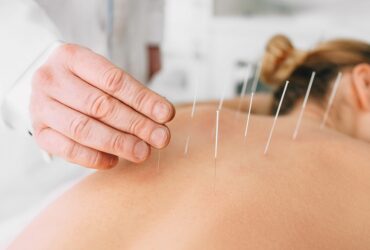
Acupuncturist inserting a needle into a female back. patient having traditional Chinese treatment using needles to restore an energy flow through specific points on the skin.Acupuncture is a technique that has been used for thousands of years to treat many ailments, but new research suggests that it may also be helpful in fighting off type 2 diabetes. The study from Edith Cowan University looked at the results of over a dozen studies on the effects of acupuncture.


The study included reports of more than 3,600 people with prediabetes, a condition that creates higher-than-normal blood glucose levels without being high enough to be considered diabetes.

Researchers reported that acupuncture therapy significantly improved key markers, including glycated hemoglobin, two-hour plasma glucose, and a greater decline in the incidence of prediabetes.

With a growing number of diabetes diagnoses, there is a need for more interventions. The International Diabetes Federation estimates nearly 1.3 billion people will have either diabetes or prediabetes by 2045. Researchers believe these findings show great promise for acupuncture therapy as an option to help reduce the risk of diabetes.

“Without intervention, 93 percent of people with prediabetes will develop type 2 diabetes within 20 years,” said lead researcher Min Zhang.

“But unlike diabetes, prediabetes is reversible with lifestyle interventions such as improved diet and increase in exercise.”

“But many people struggle to adhere to lifestyle changes long-term, so non-pharmacological treatments such as acupuncture could prove valuable.”

Many people don’t realize that diabetes prevention doesn’t just focus on blood sugar levels. Sleep problems, high blood pressure, and stress can also contribute to the risk of diabetes. Acupuncture can help with health factors and work holistically to help people balance their lifestyles.

Sticking to a healthy diet and exercising regularly are both great ways to help ensure a lower risk of type 2 diabetes. After the body gets the proper vitamins and nutrients to stay healthy, alternative therapies such as acupuncture are excellent ways to reduce other risk factors such as blood pressure and stress.

Supporting Blood Sugar

Healthy Blood Sugar Support can help maintain healthy blood sugar levels using several ingredients shown in clinical studies. The health benefits of this unique formula include supporting blood-sugar metabolism and promoting healthy cholesterol and glucose levels already within the normal range. Healthy Blood Sugar Support can also help to reduce excessive hunger or increased appetite, fatigue, and blood glucose spikes after meals.

Intermittent Fasting Could Help Manage Blood Sugar in Diabetics

Colorful food and cutlery arranged in the form of a clock on a plate. Olive in hand. Intermittent fasting, diet, weight loss, lunch time concept.New research has found that intermittent fasting (IF), a popular eating style, may help people with type-2 diabetes better control their blood sugar.
The study found that people with diabetes who restricted their eating to a daily 10-hour window had blood sugar levels in the normal range for about three hours longer than when they ate whatever they pleased.

The patients also experienced lower 24-hour blood sugar levels and consistently lower morning fasting glucose when they participated in a time-restricted eating pattern.

For the small study, 14 adults with type-2 diabetes were asked to limit their food intake to a 10-hour window each day, with 6 PM being the cutoff point. They wore a continuous glucose monitoring device that measured blood sugar every 15 minutes.

People were told to eat how they usually would during their intake window, with no food restrictions. They spent three weeks on the IF diet and another three weeks eating without any time limitations.

During the time-restricted eating, the participants had normal blood sugars for an average of 15 hours per day, compared to 12 hours when they ate whenever they wanted.

The 10-hour window was also safe for the participants, who did not experience any significant increase in hypoglycemia (low blood sugar) or any other serious side effects.

When you fast, your body breaks down glycogen stores, which is sugar stored in the body. When they are gone, your body turns to using fat. In essence, it optimizes sugar metabolism to limit excess sugar in the bloodstream. It can also contribute to some fat loss.

A 10-hour eating window is also relatively generous as other types of IF set a 6 – 8 hour feeding window.

What’s also interesting about this study is that there were no dietary limitations. If there were, for example, participants told to eat more fruits and vegetables and healthy fats, while limiting processed foods, the results may have been even better.

Virtual Chair Yoga Can Be a Feasible Option for Isolated Older Adults with Dementia

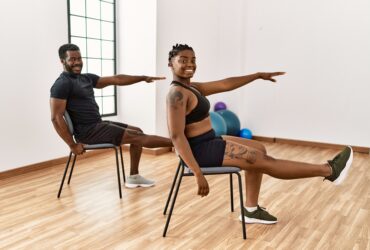
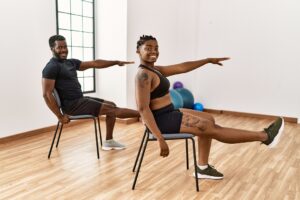
Young african american couple training using chair at sport center.New research has shown that chair yoga may be a valuable exercise for older adults with dementia. Cognitive decline doesn’t just involve the mind, it can also deteriorate physical function, but this new study shows a unique way to keep seniors with dementia active.
Chair yoga is a safe, effective, low-impact intervention that can be practiced sitting or standing using a chair for support. It combines balance, flexibility, breathing, relaxation, mindfulness, and balance and is an excellent non-pharmacological approach to treating seniors with dementia.

Many senior and community centers offer chair yoga, but the recent pandemic has created many barriers for seniors to attend. Lack of transportation, relying on caregivers, and living in rural areas can also restrict seniors from attending classes. These burdens have created a need for innovative ways to deliver chair yoga to those who can’t travel to an in-person class.

A recent study published in the journal Complimentary Therapies in Clinical Practice involved evaluating whether virtual chair yoga could be used as a valuable intervention for seniors who could not attend in-person classes. This remotely supervised online chair yoga intervention was targeted at adults with dementia while researchers measured clinical outcomes virtually via Zoom.

Researchers assessed the feasibility of this intervention and analyzed the relationship between chair yoga and the outcomes of pain interference, mobility, risk of falling, sleep disturbance, autonomic reactivity, and loneliness.

All participants in the study took part in a 60-minute session twice a week for eight weeks. During the chair yoga sessions, the participants were to follow along with an instructor who was spotlighted on the Zoom screen, allowing participants to only see the interventionist. This allowed participants to focus on the yoga sessions without being distracted by other participants on the screen. Participants also interacted with other participants or the facilitator over Zoom to maintain social bonds while maintaining a physical distance.

Researchers found that the telehealth-based chair yoga intervention was convenient for participants and their caregivers because it was easily accessible from home. Participants did not need transportation, and it didn’t even require them to get dressed, which reduced caregiver burden and stress.

Overall, virtual chair yoga classes were able to “Provide a means of reducing health disparities by opening access to interventions for persons who are unable to travel to a clinic or facility,” said Lisa Ann Kirk Wiese, Ph.D., co-author of the study.

“An important feature of our technology-based intervention is that it could allow socially isolated older adults with dementia who are living at home, especially those in underserved communities where people are becoming more digitally connected, to receive remotely supervised chair yoga that provides physical, social and psychological benefits.”

Cognitive Decline

While some degree of cognitive decline is nearly inevitable as you age, some steps can be taken to help reduce the risk of cognitive decline and dementia, including eating a healthy diet, getting proper exercise, and staying social.

One simple step in helping reduce cognitive decline symptoms include getting proper vitamins and nutrients. Ensuring the body gets what it needs can affect memory, concentration, and overall brain function.

The Smart Pill can help to enhance cognitive function and memory through 9 ingredients that help to support, nourish, and maximize brain health. These include ginkgo biloba, huperzine A, bacopa extract, rosemary extract, and a B vitamin complex. The formulation of these ingredients is an excellent way to help fight free radicals, boost circulation, and provide nutritional support to assist with cognitive function.

How to Find the Right Walking Shoes

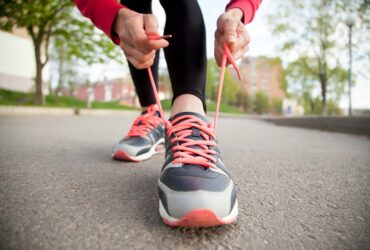
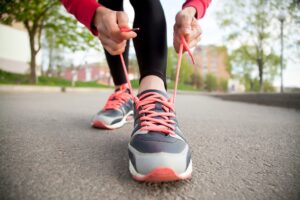
Sporty woman tying shoelace on running shoes before practice. Female athlete preparing for jogging outdoors. Runner getting ready for training. Sport active lifestyle concept. Close-upWalking is one of the best and most accessible ways to boost physical activity. It can help reduce blood pressure, build some lower body strength, and have benefits for your bones and brain.


And although it is relatively low-risk, there are still some. Even if you walk as little as three times per week for 30 minutes, investing in a good pair of walking shoes can increase comfort and lower the risk for injury.

When choosing a walking shoe, find one that bends around the ball of the foot, not the arch. The heel should be rounded so each step can roll forwards. Lastly, the upper – the part that holds the foot – should be flexible and forgiving.

Walking shoes are different than running shows. Walking shoes do not have as much cushioning, and the thinner sole allows the foot to roll naturally from heel to toe. The bottoms are also more flexible to suit the natural motion of walking.

The best way to buy shoes is to go to a store with a knowledgeable staff and wide selection. A specialty store is likely your best option. They can take a look at your foot – to see if you have high arches, flat feet – to make educated suggestions.

If you have high arches, for example, a very thin and flexible shoe might not be the best choice. A shoe with a little extra support and cushioning would be better.

The right shoe will immediately feel comfortable and will not need a “breaking in” period. You should have at least a quarter inch of space between the end of your toes and the tip of the shoe, which is enough for a little wiggle room. The heel should not move, and the ball of your foot should fit easily and snugly at the widest part.

Your shoes should last 300 to 500 miles, which would be about three to six months for most people.

Strawberries in Your Diet Can Help Protect Your Brain from Alzheimer’s: Study

Closeup of woman hands holding freshly picked strawberries in garden, copy space. Handful of ripe red strawberry on green leaves background. Healthy food conceptOf all the fruits in the world, strawberries may be one of the most beneficial for reducing the risk of Alzheimer’s disease.


In addition to being low in calories and high in nutrients, a new study has found that including strawberries in your diet may help protect your brain. Researchers say that the antioxidants found in strawberries can help reduce inflammation and damage to cells, both of which are associated with Alzheimer’s. So, if you’re looking for a way to safeguard your brain health, consider adding some strawberries to your next meal!

For the study, researchers from RUSH University looked at data from ongoing long-term studies conducted by the RADC, Rush Memory and Aging Project (MAP), which began in 1997. A total of 575 deceased participants were included in the study, and researchers analyzed their complete dietary information and brain autopsies.

Participants were required to complete a food frequency questionnaire nearly 20 years before death. Each person received annual, standardized testing for cognitive ability in five areas—episodic memory, working memory, semantic memory, visuospatial ability, and perceptual speed. After death, all participants had a standardized neuropathological evaluation.

There were a total of 452 participants who were non-carriers of the APOE 4 gene and a total of 120 participants with APOE 4, which is the strongest genetic risk factor gene for Alzheimer’s disease.

Researchers found that a bioactive compound in strawberries called pelargonidin may have played a role in fewer neurofibrillary tau tangles in the brain of participants. Tau tangles are one of the key markers of Alzheimer’s disease, which is caused by abnormal changes in tau proteins that accumulate in the brain.

“We suspect the anti-inflammatory properties of pelargonidin may decrease overall neuroinflammation, which may reduce cytokine production,” said Dr. Julie Schneider, author of the study.

Inflammation in the brain has been linked to key markers of Alzheimer’s, such as tangles and plaques. This new data suggests that the pelargonidin found in strawberries may protect the aging brain from developing Alzheimer’s disease markers.

More studies are needed to understand how strawberries can influence cytokine proteins produced by cells and how they can regulate various inflammatory responses. However, this study suggests that specific dietary components such as berries could help brain health.

Brain Function and Mental Health

While some degree of cognitive decline is nearly inevitable as you age, this study shows how dietary factors could help the brain to function at peak potential. This can affect memory, concentration, and overall brain function.

The Smart Pill may also help to enhance cognitive function and memory through 9 unique ingredients, including ginkgo biloba, huperzine A, bacopa extract, rosemary extract, and a B vitamin complex. The formulation of these ingredients is an excellent way to help fight free radicals, boost circulation, and provide nutritional support to assist with cognitive function

Common Recommendations for Better Brain Health May Impact Women, Men Differently

Connecting last jigsaw puzzle piece.It’s long been known that physical and mental activity can help delay memory problems with age. But new research is showing the effects may be more pronounced for women.


This new research looked at the cognitive reserve, or the brain’s ability to withstand the effects of diseases like Alzheimer’s without showing a decline in thinking or memory skills.

Researchers found, however, that women, not men, had greater cognitive reserve if they exercised regularly and took classes, read, or played games. Taking part in more mental activities improved thinking speeds for both women and men.

What’s good, and can benefit both genders, is that cognitive reserve can be built, much like a bank account. By engaging in activities that may help preserve thinking and brain function now, you can have more in the bank when you need it down the road.

It is never too early or too late to start with physically or mentally stimulating activities, and it is always a good idea to try new activities to continue to challenge the brain, mind, and body and learn to adapt.

The study included 758 people with an average age of 76. Some showed no evidence of thinking or memory problems, others had mild cognitive impairment, and some had full-blown dementia.

All participants underwent brain scans and took thinking speed and memory tests.

The researchers found that women who reported more physical activity had a greater thinking speed reserve, but it was not seen in men. Greater physical activity wasn’t linked to improved memory reserve in women or men, but women who took classes, read, or played card games more frequently also had a greater memory reserve.

Why women seemed to have more benefits is unknown.

More work needs to be done to understand why and how the benefits were seen.

That said, you can do things to promote a greater cognitive reserve. A healthy diet, regular exercise, good sleep, limiting stress and alcohol, and managing health conditions may all help protect brain function with age.

Staying Safe In The Heat

Pouring clear filtered water from a water filtration jug into a glass on the green summer garden background in a warm sunny summer dayMuch of the continent is struggling through a heat wave, boosting the risk for heat-related illness.

Nobody is outside the scope of risk associated with high temperatures and humidity. It is true that people over 65, as well as those with conditions that impact the body’s ability to cool itself, are at the highest risk.

Such conditions include heart failure, kidney failure, poor circulation, and high blood pressure.

Excessive exposure to heat can result in heat exhaustion and, more severely, heat stroke. Heat stroke is a medical emergency that requires immediate attention.

Heat exhaustion can occur when your body is working to its limit to keep you cool. Symptoms can include excessive sweating, cold, pale, clammy skin, muscle cramps, nausea, vomiting, feeling faint/dizziness, and headache.

This can often be treated at home with a cold shower/sitting in a tub, hydrating, or other methods of cooling.

Heat stroke occurs when your body can no longer cool itself down. Temperatures will shoot up very high, and skin becomes red and hot. You will no longer be able to sweat and must seek medical attention.

The best way to beat the heat is to stay out of it. If you have air conditioning, stay indoors and stay hydrated. If you don’t have air conditioning, go to places that do. Call on family, go to the movies, library, shopping mall, or other air-conditioned facilities.

When you are at home, be sure to drink plenty of cold fluids and use a cool wash cloth and regular cool showers to keep your temperature in check. Try to point a fan by the window to blow warm air out.

If you have to be outdoors, seek shade and drink plenty of fluids while avoiding strenuous activity. Dress in light, loose-fitting clothing and move slowly.

This type of heat can be very dangerous and life-threatening. Learning how to monitor your feelings, temperature, and others around you can reduce your risk for heat-related illness.

Five-Star Guarantee of Satisfaction