

Can You Safely Exercise with a Chronic Illness?

I'll see you after my workoutHaving a chronic health condition may make you apprehensive about exercise. You might wonder if exercise is safe and, if it is, how often and how intensely you can do it.

The good news is that exercise is safe for most people with chronic illnesses and can provide important health benefits. People living with heart disease, diabetes, asthma, back/joint pain, and even cognitive impairment can gain something from adopting an exercise routine.

Nearly all aerobic exercise can improve heart health and is safe for people with heart disease. High-intensity interval training, where you work in high intensity for short bursts in between low-intensity exercise, is likely safe. However, you’ll want to talk to your doctor about the specifics.

Strength training with weights or other forms of resistance can improve muscle strength and endurance, make it easier to do daily activities, slow disease-related declines in strength, as well as provide stability and mobility in joints.

Flexibility exercises can help improve mobility and range of motion to help optimize joint function and balance.

Exercise likely has benefits for people with the following conditions:

Heart Disease: Regular exercise is associated with improved heart health, lower blood pressure, and better circulation.

Diabetes: Regular exercise can allow insulin to reduce blood sugar by improving glucose metabolism more effectively.

Asthma: Evidence suggests that exercise may help control the frequency and severity of asthma attacks.

Back Pain: Regular low-impact aerobic exercise can boost strength and endurance and improve muscle function. Abdominal and back strength training (core) may help reduce pain by strengthening muscles around the spine.

Arthritis: Exercise may help reduce pain and stiffness and boost strength and functionality in affected joints.

Dementia: There is evidence to indicate that exercise can improve cognition in people with dementia and that regular activity may lower the risk of dementia and cognitive impairment.

In general, try to get 30 minutes of exercise daily, alternating between strength days and aerobic days.

There may be certain things you’ll need to monitor, like blood sugar, before, during, and after exercise. Exercise will lower blood sugar, so this is very important before exercise. People with arthritis may want to take a warm shower before exercise.

Exercise can help with chronic disease and be very helpful if done correctly. Speak to your doctor before beginning a routine to help you understand your limitations and capabilities.


How Diet Can Impact Immune Health

Happy latin woman eating lunch in cafe, enjoying delicious salad with closed eyes and drinking hot beverage. Lady eating healthy meal, sitting indoors in restaurant, free spaceNot many people will argue that chicken wings, French fries, and ice cream taste good. But could they be making you more susceptible to illness?

It’s possible. If your diet regularly features foods like those or other processed foods high in sugar, refined grains, or fried, it could be taking a toll on your immune system in more ways than one.

Habitually eating “unhealthy” food can tax your immune system by causing inflammation. Such foods can create a natural immune response, meaning your immune system activates to fend off intruders that can ultimately eat away at healthy tissue.

An active immune system is a good thing. It keeps you healthy and works to remove unwanted viruses, bacteria, and other infections. But when it is always turned on, bad things can happen.

For example, chronic inflammation is associated with various chronic conditions, including obesity, heart disease, type-2 diabetes, and more.

A diet largely made up of fast food, fried food, and sugary and processed foods are also linked with these conditions.

When your immune system is turned on and fighting the impacts of these foods, it also means that it does not necessarily have the power to fight off infection should one occur. Because it is already preoccupied, the resources are not available to deploy in other areas.

These types of foods can also diminish the diversity and quality of gut bacteria, which have been linked with immune health.

You might not think about all this when selecting foods, but it is certainly worthwhile.

Of course, that doesn’t mean you must always avoid these foods. Indulging yourself on a hot summer day with ice cream or going out for a burger and fries is fine if it is done occasionally.

For the most part, however, you want to be eating nutrient-dense foods like whole fruits, vegetables, whole grains, nuts, legumes, dairy, fish and lean proteins. These items may help strengthen and fight immunity.

When you’re making food choices, try to think about the big picture, not just what you want at the moment. It could help you stay healthy in a number of ways.

Try This to Limit Anxiety This Summer

Rising temperatures, episodes of mass violence, and a seemingly endless stream of news used to fuel anxiety might be affecting you these days.


You’re certainly not alone.

Finding ways to cope with anxiety can be difficult, especially if it’s keeping you indoors. Access to screens and isolation, however, may only make it worse.

One of the things that may help is to get outside and find some green space. Use it if you’ve got one close by, like a garden or forest, even if it’s your own backyard. If you have to drive to one, it’s worth the gas or bus ride.

Several studies have shown that spending time in green space, or even a space you consider “nature” can positively affect mood and stress reduction. It can create a calming atmosphere that allows your mind and body to relax, breathe some fresh air, and feel unburdened by the world around you.

Some work suggests that spending 30 minutes in a natural green setting can lead to less stress and anxiety and an improved mood.

You don’t necessarily have to be active, either. Although going for a walk or hike through green space may offer physical and mental health benefits, simply sitting in green space can offer mental benefits. So post up on a bench or get right down on the grass!

There is even research suggesting that anywhere a person considers “nature” is beneficial. So although there is data suggesting greenery and gardens are beneficial, it’s possible that a beach or body of water, or any natural outdoor space (outside of urban concrete) can ease anxiety.

To optimize the experience, try to find a quiet space away from loud music, screaming children, and vehicle noise. It’s also imperative you’re not engaging with technology when enjoying the green space. Scrolling on your smartphone can be anxiety-inducing regardless of where it is.

If you’re feeling anxious, try taking advantage of some of the outdoor beauty your neighborhood or surrounding area has to offer. It could be a lot of help.

Mental Health Support Is Essential for People with Heart Defects: Study

Cropped shot of an unrecognizable couple holding hands while at home during the dayAccording to a new statement, mental health support is essential for people with congenital heart defects. Researchers found that those who received mental health care were less likely to experience anxiety and depression and had a better quality of life. The findings underscore the importance of providing mental health support to all patients with heart defects, regardless of their age or surgical history.


More than 2.4 million people are living with congenital heart defects (CHD) in the United States. CHD occurs when people are born with structural abnormalities of the blood vessels involving the heart or with the heart itself. Catheter interventions and surgery are often required to address these issues, but it does not cure CHD. Most people with CHD need multiple operations and specialty heart care throughout life.

The new statement from the American Heart Association is the first of its kind to summarize the social and psychological challenges throughout life and to review age-appropriate mental health interventions to help improve quality.

According to the statement, children with more complex CHDs have a 5-times higher rate of receiving an anxiety diagnosis compared to children without CHD. For adults with CHD, the rate of experiencing anxiety or mood disorders is about 50%, compared to 30% of adults in the general population.

“It’s completely understandable to have a psychological reaction to living with a congenital heart defect. The condition presents numerous challenges throughout the lifespan and may include unexpected news—such as a person realizing they can no longer physically manage the demands of their job or learning that there are significant risks to pregnancy,” said Adrienne H. Kovacs, Ph.D., chair of the writing committee for the scientific statement.

“Many people with CHD have tremendous resilience in the face of these challenges. At the same time, we want to normalize psychological reactions and increase the prevalence of care for psychological well-being to help people with CHD experience a full and healthy life.”

The statement strongly suggests that mental health professionals should be integrated into the CHD care teams. Mental health care approaches should also be explained to CHD patients, including self-care strategies, relaxation techniques, and talk therapy. For those experiencing severe depression, heart-safe medication therapy may be needed under doctor supervision.

Keeping the Heart and Brain Strong

Keeping the heart strong and healthy is vital for enjoying a high quality of life as you age, not just for those with heart problems. Heart Rescue was designed to help support and promote cardiovascular health using a variety of ingredients, including omega-3 fatty acids, CoQ10, magnesium, and hawthorn extract. This formula’s health benefits can help strengthen the heart muscle, support circulation, and help reduce the risk of heart disease.

Stress affects mental health, concentration, memory, and overall cognitive function. The Smart Pill can help counteract these effects through nine ingredients that help support, nourish, and maximize cognitive and brain function. These include ginkgo biloba, huperzine A, bacopa extract, rosemary extract, and a B vitamin complex. This unique formula helps boost circulation, fight free radicals, and help to promote clear

When It Comes to Vitamin D, You Can Have Too Much of a Good Thing

Cbd oil dropper - Young woman taking cannabis oil in tea drink for anxiety and stress treatment - Alternative medicineThere aren’t many vitamins out there that come with more hype than vitamin D. And much of it is for good reason: it can play a big role in overall health.


But it can also be dangerous if you’re taking too much of it. Just ask a British man who was recently hospitalized for overdosing on it.

Vitamin D supplements may offer a host of benefits. It’s possible they can promote stronger immunity, bones, and a better mood in people who are deficient or can’t get enough of it naturally.

However, there is a growing global trend of hypervitaminosis D, a clinical condition characterized by high blood levels of vitamin D3. The symptoms are largely caused by too much calcium in the blood (vitamin D aids in the absorption of calcium) and include:

  • Vomiting
  • Drowsiness
  • Confusion
  • Apathy
  • Psychosis
  • Depression
  • Coma
  • Anorexia
  • Abdominal pain
  • Constipation
  • Peptic ulcers
  • Pancreatitis
  • High blood pressure
  • Abnormal heart rhythms
  • Kidney abnormalities and kidney failure

A recent case study published in BMJ Case Reports highlighted a middle-aged man that was hospitalized after reporting recurrent vomiting, leg cramps, nausea, abdominal pain, ear ringing, dry mouth, diarrhea, and weight loss.

His symptoms had been happening for three months and started after he began a vitamin regimen recommended by a nutritional therapist. The protocol included more than 20 over-the-counter supplements and 50,000 mg daily of vitamin D; the recommended daily requirement for adults is around 600 mg per day.

Blood tests revealed very high levels of calcium, and his vitamin D was about seven times above what is required for sufficiency. He was treated in hospital for eight days and then continued to experience symptoms for a few weeks afterward, as it takes time for vitamin D levels to turn over (it is stored in fat cells).

You can likely avoid a similar fate by electing to use vitamin D supplements appropriately or making sure you’re getting it from natural sources. Most people will get enough from sun exposure or eating fortified foods.

If you supplement, do not exceed 10,000 IU per day (which is generally safe). However, even this amount is typically reserved for people with extreme deficiency. 600 mg should be all you need.

The Sun Has Been Nice and Bright: Make Sure You’re Protecting Your Eyes

Bonded by many years of laughs and funI’d think it’s safe to say that nearly every North American has purchased a pair of sunglasses from the corner store or pharmacy at some point in their lives.
But let’s get real: you get what you pay for. Those shades may look like they will protect your eyes and should them from the sun’s rays, but they do very little – almost nothing – to keep your eyes safe.

Ultraviolet rays (UV rays) from the sun are no friend to your eyes. They can actually damage all of the structures of your eye. Corneal damage, cataracts, and macular degeneration are all possible chronic effects of UV exposure that can ultimately lead to limited vision and boost the risk for blindness.

These rays can also lead to growths in and around the eye.

The best way to protect your eyes from this damage is to purchase sunglasses with 100 percent UV ray protection. These lenses will block the UV rays from reaching your eyes and help preserve vision and eye health.

Of course, frames offering 100 percent UV protection will cost far more than the $10 – $20 pair off the rack at the corner store. But the additional cash is worth it when you think about A) how they will protect your vision and B) that you likely won’t have to replace them as often.

Although UV-blocking lenses are the best way to protect your eyes from the sun’s harmful rays, there are other ways. Here are some others:

-Wear a hat along with sunglasses. Wide-brimmed hats are the best.
-Be aware that clouds don’t block UV light. Rays can pass through haze and clouds.
-Never look directly at the sun.
-If possible, avoid being outdoors during midday when the sunlight is strongest. Try to be inside between 11 AM and 2 PM if you can.

People with Eye Disease Are at Significant Risk for Heart Disease and Stroke

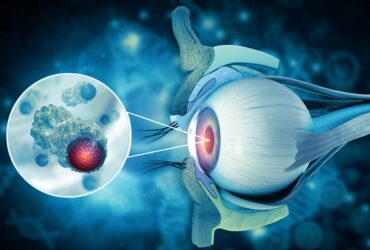
Eye cancer, eye disease, 3d illustrationDo you know that people with eye disease are at significant risk for heart disease and stroke? If not, you’re not alone. A lot of people don’t realize this connection exists. But the fact is, if you have a specific eye disease like age-related macular degeneration (AMD), you’re at a greater risk of developing cardiovascular disease. This is something to be aware of if you or someone you love has an eye disease.


Age-related macular degeneration is the leading cause of visual impairment and blindness in people over 65. It results from damage to the retina’s central area, called the macula.

Over the decades, researchers have suggested an association between AMD and cardiovascular disease, but there has been no conclusive data until now. Researchers from the New York Eye and Ear Infirmary of Mount Sinai conducted a study including 126 patients that focused on two varieties of AMD that could only be seen with advanced imagery.

One specific form of AMD that has subretinal drusenoid deposits (SDDs) is connected to high-risk vascular diseases. Ophthalmologists need to be aware of this tight connection because they may treat a patient who seems otherwise well. Still, they may have significant undetected heart disease or carotid artery stenosis that may result in a stroke.

Researchers believe that the underlying heart and vascular disease may compromise blood circulation in the eye, leading to the development of SDDs. This can ultimately cause vision loss and blindness. But these new findings bring researchers one step closer to understanding this horrible condition that can rob many adults of good vision later in life.

Eye Health

As this research proves, it is vital to keep hearing and vision as healthy as possible as you age. One of the primary causes of age-related vision loss is low levels of lutein and zeaxanthin. These natural pigments have been shown to protect the eye from oxidative damage caused by ultraviolet light and environmental factors.

20/20 Vision contains 20 mg of lutein and 2 mg of zeaxanthin to help give your eyes the nutritional support they require. In addition to those two ingredients, this unique formula also contains various vitamins, minerals, and herbal ingredients to help support and maximize vision and eye health.

It is not just essential for those with AMD to focus on their heart health, but for everyone as they age. Heart Rescue was designed to help support and promote cardiovascular health using a variety of ingredients, including omega-3 fatty acids, CoQ10, magnesium, and hawthorn extract. This formula’s health benefits can help strengthen the heart muscle, support circulation, and help reduce the risk of heart disease.

As we age, it is also vital to ensure our brain is healthy and can function at peak potential. Many studies have linked eye health with brain health. This can affect memory, concentration, and overall brain function.

The Smart Pill can help to enhance cognitive function and memory through 9 ingredients that help to support, nourish, and maximize brain health. These include ginkgo biloba, huperzine A, bacopa extract, rosemary extract, and a B vitamin complex. The formulation of these ingredients is an excellent way to help fight free radicals, boost circulation, and provide nutritional support to assist with cognitive function.

Americans Continue to Get Fatter and Less Healthy

Teenage girl chooses between donuts and vegetable saladAmericans are falling further into poor health as they continue to get fatter and develop risk factors for heart disease.


New research suggests that less than 7 percent of U.S. adults are in good cardiometabolic shape and that the trend continues to fall downward.

Cardiometabolic health is an umbrella term that includes blood pressure, blood sugar, blood cholesterol, weight, and the presence of heart disease.

The steepest declines in cardiometabolic health were found in the percentage of Americans with healthy weights and blood glucose levels.

For example, in 1999, 1 in 3 adults maintained a normal weight, compared to 1 in 4 in 2018. Six in 10 were free of prediabetes or diabetes in 1999, compared to fewer than 4 in 10 in 2018.

Americans are also less active and more sedentary, which helps contribute to some of these trends.

The data also looked at other factors that contribute to cardiometabolic health. They noted that the numbers of people with good cardiometabolic health among Hispanic people, Black people, and non-white people declined the most over the study period.

The researchers said that social determinants of health, like food and nutrition security, social and community context, economic stability, and structural racism, put people at increased risk of health issues.

Weight loss is a key factor in improving cardiometabolic health, with the key being to lose weight and keep it off. Yo-yo dieting and weight fluctuations often lead to increased weight gain and poorer health.

So, how can you lose weight and keep it off? By adopting lifestyle strategies and setting sustainable goals.

Losing and keeping weight off involves making activity and smart food choices a part of daily life. One of the keys to that, however, is education and access. Health improvements are far more likely when people can learn about food and how it works in their bodies and have access to quality nutrition.

Mindful Meditation Reduces Pain by Interrupting the Communication between Brain Areas Involved in Pain

Online Yoga. Peaceful African American Guy Meditating At Computer Sitting In Lotus Position In Front Of Laptop Watching Meditation Video Tutorial At Home. Meditation Relaxing Practice And ExercisesMindful meditation has been shown to be an effective way to reduce pain. This is because it interrupts the communication between the different regions of the brain that are involved in the experience of pain. By learning how to focus attention on one’s breath and bodily sensations, people can train their brains to better deal with pain. Through mindfulness meditation, people may be able to learn how to accept and live with chronic pain.


Mindfulness meditation has been used for centuries to relieve pain, but neuroscientists are only just studying the techniques and analyzing the results. The latest research was carried out by the University of California San Diego School of Medicine, which measured the effects of mindfulness on pain perception and brain activity.

On the first day of the study, 40 participants were given a brain scan while painful heat was applied to their legs. More of these heat stimuli were performed, and all participants were asked to rate their average pain levels during the experiment.

Participants were then separated into two groups. One group was required to complete four separate 20-minute mindfulness training sessions. During these sessions, they were instructed to focus on their breath and process thoughts, sensations, and emotions by letting them go without judgment or reaction. Participants in the control group spend their four hours listening to an audiobook.

On the final day of the study, both groups of participants had their brain activity measured again. However, this time, the mindfulness group was not instructed to medicate during the painful heat, while the control group resisted the pain with their eyes closed.

It was found that participants who were actively meditating saw a 32 percent reduction in pain intensity and a 33 percent reduction in pain unpleasantness. Researchers were able to link specific areas of the brain that had been deactivated or decoupled during meditation to a decrease in pain. For many people struggling with chronic pain, this study offers a new, fast-acting, and non-pharmacological treatment for pain.

Managing Pain

More and more people are turning to natural ways to help manage pain. Super Pain Relief is a natural formula that uses Palmitoylethanolamide (PEA), which has been shown in human clinical studies to help reduce multiple types of pain and inflammation. Another essential ingredient in Super Pain Relief is Quercetin, also known as a powerful inflammation fighter.

This unique combination of natural ingredients will not only help with pain but can also improve mobility and decrease stiffness while maintaining overall health and wellness.

For on-the-go pain relief, turn to Pain Eraser, a topical solution that can temporarily ease pain and discomfort on contact. Its powerful pain-reducing abilities come from camphor, a proven natural pain reliever, and menthol, which helps to provide soothing relief to sore and stiff muscles. This convenient spray provides fast-acting relief, whether at home or on the go.

Take Advantage of This Summer Superfood Staple

Halves of canned peaches as background, closeupPeach season is upon us, and it’ll be here until September. So, if you’re looking for a tasty, sweet, seasonal fruit that can spruce up meals and snack time, you’re in luck.


The sweet taste of peaches is a major benefit for many, especially those who may need a little more coaxing into eating fruit and vegetables. Peaches are quite versatile and can be added to kale or spinach salads, used as a yogurt topping, added to smoothies or salsa, or even browned on the grill.

Because of the fairly short season, you only have a limited window to enjoy locally grown peaches.

Peaches are known for their golden color and soft fuzzy skin. They are loaded with vitamin C, other antioxidants, potassium, and soluble and insoluble fiber. They are also low in fat and contain no sodium or cholesterol.

The fresher your peaches are, the more nutrients you get from them. Locally grown, seasonal options that get to your table faster ensure more antioxidants and nutrients than imported varieties and help you support local farmers.

Some potential benefits of the nutrients in peaches include stronger immunity, better heart health, and improved digestion and gut health. Because of their high fiber content, peaches can also help you feel fuller, longer.

Many of the antioxidants and fiber are found in the skin of the peach.

Peaches continue to ripen after they’ve been picked, and a firm peach may ripen over one to three days if stored at room temperature. That can extend to about a week in the fridge.

Like other fruits, peaches can be used to enhance the taste of vegetables and make them more palatable for some people. They can add sweetness to kale or spinach, making it easier for some to adopt a healthy diet.

Be careful of adding dried peaches to salads. Although they are available year-round and feature many of the nutrients of fresh peaches, the dehydrated process concentrates the sugar and makes them less filling, making it harder to control portion sizes.

Lastly, peaches will retain their nutritional value when frozen, so you can enjoy them after the season ends!

Try to Control Blood Sugar with Healthy Eating

Young african american woman drinking green juice with reusable bamboo straw in loft apartment. Home concept. Healthy lifestyle concept. Copy spaceYou may be surprised, but a healthy diet for people with diabetes isn’t that different from one recommended for everybody else.


Fruits, vegetables, whole grains, legumes (peas and beans), and low-fat dairy are the centerpieces, and American Diabetes Association (ADA) suggests essentially what is offered to the general public.

That said, people with diabetes may want to pay a little closer attention to their carbohydrate intake.

Fruit, vegetables, and whole grains provide more nutrition per calorie than refined carbohydrates and are also generally much richer in fiber. Because the body digests high-fiber foods more slowly, it leads to a lower risk for high levels of blood sugar.

Roughly 45 to 55 percent of daily calories are recommended to come from carbohydrates. Choosing them wisely is highly important. You’ll want to get fiber-rich carbohydrates from vegetables, whole grains, and fruit.

On the other hand, avoiding highly refined carbohydrates like white bread (buns, etc.) and pasta, as well as candy, sugary soft drinks, and sweets, is important. Refined carbs like these can lead to sharp spikes in blood sugar and boost triglycerides.

All fiber is good for you, but not all fiber is the same. There are two main types: insoluble, which is the kind in whole grains, and soluble, which is found in beans, dried peas, oats, and fruit.

Soluble fiber, in particular, seems to lower blood sugar by improving insulin sensitivity. This may mean you’ll need less diabetes medicine. There is even evidence that adopting a healthy diet and a more active lifestyle can reverse diabetes.

Plenty of research indicates that eating more fiber can also reduce the risk of heart disease, which is very important for people with diabetes. Diabetes and heart disease aver very closely linked.

Controlling blood sugar with diabetes is possible by making the right food choices. Avoid refined grains and focus on fiber to give yourself the best chance.

Consuming High Fat Diet for a Long Time Will Shrink Brain: Study

Fastfood and healthy food on old wooden background. Concept choosing correct nutrition or of junk eating.If you’re looking for ways to keep your brain healthy as you age, avoiding a high-fat diet may be something to consider. A recent study found that consuming a high-fat diet for a long time can shrink the brain.


The good news is that switching to a healthier diet can reverse the effects. So, if you’re concerned about preserving your mental function and waistline as you get older, it’s important to ensure your diet includes plenty of healthy fats and other nutrients.

UniSA neuroscientists led the study to help establish a clear link between a high-fat diet and deterioration in cognitive abilities. Mice were randomly selected to consume a standard or high-fat diet for 30 weeks, starting at eight weeks of age. Body w§eight, glucose levels, and food intake were monitored at different intervals. Glucose and insulin tolerance tests and cognitive dysfunction were also analyzed.

It was found that the mice on the high-fat diet gained a lot of weight, started having behavioral problems, and developed insulin resistance compared to those fed a standard diet. Mice genetically modified to develop Alzheimer’s disease showed a significant deterioration of pathological and cognition in the brain while on the high-fat diet.

This study established a clear link between high-fat diets and a deterioration in cognitive abilities, including anxiety, depression, and worsening Alzheimer’s disease. It was also noted that mice were more likely to gain excessive weight due to poor metabolism caused by changes in the brain.

Associate Professor Larisa Bobrovskaya said, “Our findings underline the importance of addressing the global obesity epidemic. A combination of obesity, age, and diabetes is very likely to lead to a decline in cognitive abilities, Alzheimer’s disease and other mental health disorders.”

Healthy Brain Function

While some degree of cognitive decline is nearly inevitable as you age, this study shows how other factors can take a toll on the ability of the brain to function at peak potential. This can affect memory, concentration, and overall brain function.

The Smart Pill can help to enhance cognitive function and memory through 9 ingredients that help to support, nourish, and maximize brain health. These include ginkgo biloba, huperzine A, bacopa extract, rosemary extract, and a B vitamin complex. The formulation of these ingredients is an excellent way to help fight free radicals, boost circulation, and provide nutritional support to assist with cognitive function.

Protect Your Hearing This Summer

Handsome mature man in casual clothes listening closely isolated in white backgroundThe world comes to life in summer, and there are far more sounds to enjoy. Birds chirping, brooks babbling, waves hitting the shore, and even live music as you walk down the boulevard can all contribute to sound of the summer.


Of course, there are also leaf blowers, lawnmowers, sporting events, concerts, fireworks, and the folks with the muscle cars and motorbikes letting their engines rip. If you’ve got a window air-conditioner, that could be one of the familiar sounds of summer too.

Some of those sounds are great for your ears. They can be quiet, soothing, and make you feel the beauty of the season. Others may make you feel great too, but they’re no friend to your ears or hearing.

There are plenty of noises from summer that can cause hearing loss. Leaf blowers, engines, live events, and even firecrackers have the potential to do serious damage.

The good thing is that noise-induced hearing loss is completely preventable.

In certain situations, like when you’re mowing the lawn, attending a sporting event or concert, or watching fireworks, hearing protection is a must.

Earplugs are easy to get, inexpensive, and can do a great job keeping ears safe. And because noise-induced hearing loss is can happen quickly, is irreversible, and can occur at any age, they should be part of your summer routine.

Other ways to protect your ears during the season are closing the windows if you live in a busy street or your neighbors are cutting the grass. If you attend a noisy event, position yourself as far away from the noise source as possible.

Fireworks, for example, can cause hearing damage immediately, and the risk is much higher if you are close to them.

Leave if you’re at an event and experience any ringing or discomfort. It’s also worthwhile to see an audiologist if you have any pain, ringing, or difficulty eating after an event.

Physical Activity and Talk Therapy Eases Fatigue among Arthritis Sufferers: Study

Portrait of an african young nurse helping old elderly disable man grandfather to walk using walker equipment in the bedroom. Senior patient of nursing home moving with walking frame and nurse supportArthritis is a condition that can cause debilitating pain and fatigue, but a new study has shown that physical activity and talk therapy can help to ease this fatigue. This study provides valuable information for people with conditions such as rheumatoid arthritis who are looking for ways to reduce their symptoms.

If you are one of these people, be sure to talk to your doctor about adding physical activity or cognitive behavioral therapy to your treatment plan.

Arthritis isn’t the only condition that can cause extreme fatigue. Patients with axial spondylitis and lupus also live with fatigue, an extreme mental and tiredness that can affect their ability to work, concentrate, and live independently. These conditions are known collectively as inflammatory rheumatic diseases (IRD).

Researchers from the Universities of Aberdeen and Glasgow led a first-of-its-kind study by comparing three different types of care for 368 patients with various inflammatory rheumatic diseases.

It was found that personalized activity programs and cognitive-behavioral approaches significantly improved the severity and impact of fatigue in the study group when compared to those receiving the usual care. Both types of interventions were also shown to help improve participants’ sleep and mental health-related quality of life. These benefits were still found six months after the completion of the courses.

This study provides evidence to suggest that non-drug treatments such as cognitive-behavioral therapy and physical therapy should be a core part of treating IRD.

Supporting Bone and Joint Health

Supporting bone health is essential as you age. Bone Rescue can help to support the maintenance and development of bones thanks to its unique formula, including strontium. Chemically similar to calcium, strontium can provide great support for aging bones. Bone Rescue contains 680 mg of strontium along with additional ingredients to help keep bones strong and healthy.

As you age, your joints may also require support to help them stay strong, flexible, and healthy. Healthy Joints contains multiple ingredients to help support and improve joint health. The primary ingredient in Health Joints is AprèsFlex®, an extract from Boswellia, which has been found in studies to provide rapid support for joint health and mobility. This unique formula also contains glucosamine and chondroitin, which contain compounds that are some of the building blocks of healthy joints.

Five-Star Guarantee of Satisfaction