

 Travel can mean a lot of things to a person – adventure, rest, relaxation, exploration, and inspiration – but a new study suggest it may offer even more.
A future study to be published in Tourism Management suggests that travel could offer unique benefits for people with dementia, particularly in the areas of mental health and well-being.
The authors suggest that the potential benefits of tourism, sometimes referred to as “travel therapy” may help with dementia treatment. One of the ways they defined tourism was “visiting places outside of one’s everyday environment for no longer than a full year.”
They also suggested that four main components make up the experience of tourism:
- How it impacts feelings, emotion, and mood (affective experience)
- How it affects thoughts and memories (cognitive experience)
- How it impacts behavior (conative experience)
- How it impacts the senses (sensorial experience)
Researchers decided that tourism has the potential to potentially offer positive impacts on well-being and quality of life through a variety of components. However, there is currently very little existing and available literature to support the theories.
Based on what does exist, however, along with their professional opinions, they did propose how tourism may address parts of non-pharmacological treatments in people with dementia.
They include:
- Cognitive and sensory stimulation: Travel can stimulate thoughts and knowledge, which may have benefits for dementia. Experiencing sensations may also promote behavior and feelings of mental well-being.
- Environment: Travel puts people into a new environment that can boost social interaction, which may stimulate brain function for people with dementia.
- Exercise: By its nature, travel often involves increased movement and activity.
- Reminiscence: Talking about and remembering past experiences has been shown to be helpful for people with dementia. Tourism may help stimulate memories or experiences for people to remember and later discuss.
This is a new area of study, and plenty of further research is required to assess the links between tourism and dementia treatment.

 You may have heard of Life’s Simple 7 to improve heart health. Well, now it’s called Life’s Essential 8, and sleep has been added to the list.
 A new study suggests that untreated vision loss may boost the risk for dementia. However, researchers don’t know why.
 Stress caused by traumatic events, job strain, relationships, discrimination, or everyday stressors likely accelerates the aging of the immune system.
 If you have been waiting for grilling season to begin but are worried about heart health, you are not alone. There’s something about cooking food over an open flame that just tastes amazing. However, if you’re not careful, grilling can be pretty unhealthy.
 Oppressive summertime heat gets everybody talking about the importance of staying cool. But a regular summer day can also put your body at risk if you’re not taking care of yourself.
 You ever have those days when you can’t seem to get off the couch? How about when a few of them string together?
 You may be surprised to hear that muting your phone may actually cause more stress than if you leave it on.
 Backyard barbecues are a staple of summer dining, and I’m sure many of you have already had the grill fired up a few times this season.
 Did you know that exposure to any kind of light during sleep can be linked to diabetes and high blood pressure?
 There’s been a lot of talk lately about the benefits of exercise and proper diet on the brain. Now, evidence is finally starting to mount up. Researchers suggest that regular physical activity and a balanced diet were linked with better cognitive function later in life. They believe that this is because both of these things help to protect the brain from age-related damage. If you want to keep your mind sharp as you age, stay active and eat well.
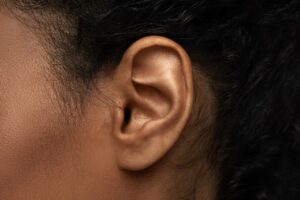 There’s no doubt that hearing loss is a common issue among seniors. In fact, one in three people over the age of 65 has some form of hearing loss. If you’re one of those people, it’s important to take steps to improve your hearing protection and prevent further loss.
 Many factors can increase your chances of dying from a heart attack or stroke. While some of these risks are unavoidable, others can be mitigated by making simple changes to your lifestyle. One risk factor that is often overlooked is our environment.
 Do you know how important sleep is for your cardiovascular health? The American Heart Association (AHA) have updated their checklist for ideal heart and brain health to include sleep as one of its eight basic heart-healthy habits.