


Sports Plays a Crucial Role in Men’s Mental Health

Happy senior golfer walking on golf court. The day passed perfectly on the golf course.There’s no doubt that sports play a crucial role in men’s mental health. From keeping men active and healthy to providing an outlet for stress and tension, sports can positively impact overall well-being. In fact, many professional athletes attribute their success to the importance of maintaining a healthy mind and body.

If you want to improve your mental health, consider adding sports to your routine. You may be surprised at just how beneficial they can be!

Sadly, the leading cause of death for people aged 15-25 is suicide, and the majority are male. This shows how vital it is to find a way to support young men’s mental health as they transition from adolescence to adulthood.

For many boys, sports can be a ‘safe space’ where they can receive positive socialization and engagement. As a significant part of their life, it is logical that sport can play an important role in protecting mental health.

A recent study published in BMC Public Health examined data from young males playing sports. The study included two main sports: cricket and Australian Rules Football. All participants were interviewed to gain a deeper understanding of the role of sports in their lives and their mental well-being.

The study found that players viewed the sporting clubs as an environment that was an important place for physical health and to shape young men’s positive mental health attitudes.

“We identified a number of positive elements to playing for a sporting club, including having like-minded friends, as a release from the stressors of school, and the ability to engage with other males irrespective of age or demographic,” said lead author Professor Drummond.

These sports clubs bring together different ages of boys to provide positive role models for the younger players. Strategic leadership and mentoring were keys to developing respectful relationships and positively shaping the young men’s identities.

This study helps to show how sports can play a crucial role in men’s mental health as they age. While some people see sports as simply a way to get physical exercise, this example helps to extend the vision of how sports can play a vital role in mental health.

Brain Function and Mental Health

Numerous factors can take a toll on the ability of the brain to function at peak potential. This can affect memory, concentration, and overall brain function, which have all been tied to mental health.

The Smart Pill can help to enhance cognitive function and memory through 9 ingredients that help to support, nourish, and maximize brain health. These include ginkgo biloba, huperzine A, bacopa extract, rosemary extract, and a B vitamin complex. This unique formula helps to boost circulation, fight free radicals, and provide nutritional support to assist with cognitive function.


People Who Have Sight Problems Have Increased Risk of Developing Dementia

Woman with eyesight problems trying to read on line content in a laptop at homeDid you know that people who have a sight problem are at a greater risk of developing dementia? A recent study showed that those with vision impairment were more likely to develop dementia than those with normal vision. This is an important discovery, as it could help health professionals better identify and treat those at risk of developing dementia. Read on for more information about the study and its findings.
The study included 16 studies, including 76,373 participants, with five cross-sectional studies and 11 longitudinal studies published before April 2020. By analyzing these studies, researchers were able to find important relationships between visual impairment and cognitive outcomes in older adults. It was noted that people with a sight problem had an increased risk of cognitive impairment and dementia, regardless of whether their visual impairment was self-reported or diagnosed by a physician. Also, the likelihood of having cognitive problems was 137% higher among people with a sight problem than those who did not.

Overall, patients with a sight problem at the start of the study had a 41% increased risk of developing cognitive impairment and a 44% risk of dementia, compared with those who did not.

“Finding ways to prevent or delay the onset of dementia could help reduce its devastating impact on the lives of affected individuals and their families, especially in light of the growing burden of the disease. Identifying modifiable risk factors is the first critical step for developing effective interventions to achieve this goal,” said lead author Beibei Xu.

“Our new results highlight the importance of regular eye examinations for older adults — enabling any potential problems with their vision to be spotted and treated early. They also suggest that any self-reported changes to a person’s eyesight should not be ignored.”

Millions of people worldwide are living with dementia, and the number is set to increase over the next few decades. This disease has a devastating impact on people’s lives as it can cause memory loss and changes to their personalities and behaviour. Ultimately, they will become entirely dependent on others for their care.

Supporting Health Brain Function

While some degree of cognitive decline is nearly inevitable as you age, this study shows how other factors can take a toll on the ability of the brain to function at peak potential. This can affect memory, concentration, and overall brain function. The Smart Pill can help to enhance cognitive function and memory through 9 ingredients that help to support, nourish, and maximize brain health. These include ginkgo biloba, huperzine A, bacopa extract, rosemary extract, and a B vitamin complex. The formulation of these ingredients is an excellent way to help fight free radicals, boost circulation, and provide nutritional support to assist with cognitive function.

The Role of Acupuncture in the Treatment of Headache

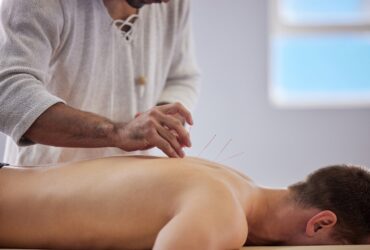
I've never felt more relaxedAccording to new research, if you suffer from headaches, acupuncture may be able to provide some relief. Headache is one of the most common health complaints, affecting more than 45 million Americans yearly.


While many over-the-counter and prescription medications are available to treat headaches, these medications often come with unwanted side effects. But, in some cases, acupuncture may be a viable alternative or complementary treatment option for those with chronic tension-type headaches.

Tension-type headaches include a tightening or pressing feeling on both sides of the head. These types of headaches do not generally get worse with physical activity and do not include nausea. They are considered chronic when they occur at least 15 days per month.

The study from Chengdu University of Traditional Chinese Medicine in Chengdu, China, involved 218 people who were diagnosed with chronic tension-type headaches. On average, they had these types of headaches 22 days a month for 11 years.

Participants were randomly assigned to receive either superficial acupuncture or true acupuncture. True acupuncture involves placing and moving a needle in the body to achieve a degi sensation (tingling, numbness, or heaviness feeling). The superficial treatments had a lesser depth in the body to avoid achieving the degi sensation. Both groups of participants received two or three sessions per week for two months. They were then followed for an additional six months.

By the end of the study, 68% of the people receiving the true acupuncture reported at least a 50% reduction in the monthly number of headache days compared to 50% of people who received superficial acupuncture.

Overall, researchers found that the number of monthly headache days in both groups gradually decreased after treatment.

For those who received true acupuncture, the number of days with headaches decreased from 20 days per month at the beginning of the study to seven days per month by the end of the study. For those who received superficial acupuncture, headache days decreased from 23 days per month at the beginning of the study to 12 days per month at the end of the study.

“While this study showed that acupuncture can reduce headaches, more research is needed to determine the longer-term effectiveness of acupuncture and how it compares to other treatment options,” said study author Ying Li, MD, Ph.D. “In comparing treatment options, cost-effectiveness is another important factor to evaluate.”

Treatment Options

Living with chronic pain, no matter where in the body, can be debilitating, making it difficult to complete everyday tasks. It is defined as any pain that lasts for more than 12 weeks. It can be caused by various factors, including arthritis, injuries, and chronic health conditions. The pain can also lead to sleep problems, anxiety, and depression. But, as this study helps show, a variety of treatment options are available for pain management, including natural supplements, physical therapy, and acupuncture.

Super Pain Relief is a breakthrough formula that primarily uses Palmitoylethanolamide (PEA), which has been shown in human clinical studies to help reduce multiple types of pain and inflammation. Quercetin is another ingredient found in Super Pain Relief, another known powerful, natural inflammation fighter. This unique combination of ingredients provides comprehensive relief for pain and inflammation throughout the body.

For rapid pain relief on the go, Pain Eraser is a topical solution that helps temporarily ease pain and discomfort on contact. Its powerful ingredients include camphor, a proven natural pain reliever, along with menthol to provide soothing relief to sore and stiff muscles. This easy-to-apply spray is not only convenient, but it is fast-acting for times you need instant relief. Just one spray to the affected area, and it begins to work.

What Low Testosterone Feels Like and What You Can Do About It

Unhappy depressed caucasian male sitting and lying in living room couch feeling desperate a lonely suffering from depression. Unpleasant pain.It’s possible you don’t have the energy, libido, or mood you used to. There can be several reasons, but one may have to do with dropping testosterone.


Testosterone (or T) is a hormone found in all humans. However, it plays a far more prominent role in men than women. It plays a role in sex drive, bone and muscle mass, fat storage, and red blood cell production. It may also impact a man’s mood.

T typically peaks in a man’s 20s or early ’30s before it starts tapering off slowly over time. The thing is, however, that everybody’s baseline is different. Some men are born with a lot of T, while others are born with less. “Normal” testosterone can be anywhere from 280 to 1,100 nanograms per deciliter (ng/dL), which is a huge range.

So, somebody who has 1,100 ng/dL may feel it a lot more if levels get to 950 ng/dL than someone who starts with 500 ng/dL and sees it drop to 100 ng/dL. The difference may be more pronounced.

What might it feel like?

Low T may create some of the following symptoms:

  • Decreased sex drive
  • Less energy
  • Weight gain
  • Depressed feelings
  • Mood fluctuations
    Low self-esteem
  • Less body hair
  • Thinner bones
  • Muscle loss

You’ll only learn if you have low testosterone through blood tests, and you’ll only understand the rate it’s dropping with several tests, so you can track it over time.

What can you do about it? There are a few things that may halt testosterone loss or at least slow it.

Diet and exercise can both play a role in T levels. Weight training is associated with higher testosterone, and so is eating a nutrient-rich diet that is low in processed food. Fruits, vegetables, nuts, lean proteins, legumes, etc., is the way to go.

Managing weight may also help.

Testosterone replacement therapy, or TRT, is a procedure that can help, as well. It is still under study, but talk to your doctor if you believe low T impacts your quality of life.

The Number One Defence against an Aging Face

Graceful aging is a beautiful thing, however, there are certain age-related changes that many wish they could slow down.
One of them is the changes that happen to the face.

Age brings gifts like greater wisdom, experience, and accomplishments, but the changes that affect outward appearance are often the primary focus, mainly when it changes the reflection in the mirror.

Some of the changes that can happen to your face are obvious. Foreheads can get a little bigger as hairlines retreat. Ears can get longer because cartilage grows, and the tips of noses might droop because connective tissue supporting cartilage gets weaker.

Fat distribution in faces also changes with age. Areas that used to be plump and smooth can start to sag as fat is redistributed.

And, of course, there are wrinkles. Most are caused by continuous tugging on face muscles from natural facial movements and expressions. Others can be caused by sun damage, smoking, and natural degeneration of things that keep skin thick and supple.

So, what are your defenses against this? Some options range from applying moisturizing lotions, creams, and serums. Diet can even help. Botox injections and laser therapies also exist.

But sunscreen might be the best defense against face aging.

Protecting your skin from the sun is probably the best and easiest way to keep skin youthful. A lot of skin damage comes from the UVA part of the light spectrum, so you need to protect your skin from it, as well as UVB, which leads to sunburn.

Using sunscreen with at least SPF 30 is recommended, and it should be applied either before leaving home, or just as you leave. It can take about 20-minutes to absorb into your skin, but that 20-minutes of sun exposure can help you get your daily hit of vitamin D.

Sunscreen needs to be re-applied about every two hours, however, if you are sweating or go swimming, it should be applied more frequently.

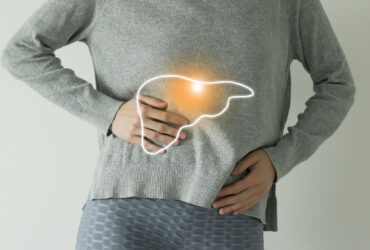
Alcoholic Liver Disease Skyrockets in America

A new study suggests that America has a collective drinking problem that is made worse by obesity.


The new study found that deaths from alcoholic cirrhosis have more than tripled in 20 years.

Alcoholic cirrhosis, which is an advanced form of alcohol-related liver disease, killed just over 6,000 Americans (3 per 100,000) in 1999. In 2019, the condition lead to 24,000 (11 per 100,000) deaths.

The doctors hypothesized that many people drink more and start earlier in life. However, they also believe that there are other factors at work, particularly obesity and sedentary lifestyles.

Obesity and sedentary living can both contribute to fatty liver. High sugar foods, which contribute to obesity, also contribute to liver disease and are the primary cause of non-alcoholic fatty liver disease.

According to one of the lead researchers of the study, the reason America sees more liver disease earlier is not just that they are drinking more, but they are eating more (and likely worse) and exercising less, leading to accelerating liver damage.

Sedentary living and obesity are also the root cause of the diabetes epidemic, in addition to heart disease, stroke, and other chronic health issues.

Regarding drinking, it’s advised to limit alcohol to one drink per day for women and two for men.

Data suggests that people who have one or two drinks per day have lower health risks than non-drinkers. It also suggests that the difference between drinking small and large amounts of alcohol could be the difference between life and death.

If you’re concerned about the impact of alcohol on your liver, find ways to reduce alcohol intake. Some ways to do this include trying a growing variety of non-alcoholic beer, wine, and spirits. You could also try moving between a glass of water and non-alcoholic drinks on an occasion where you may be consuming more than one or two.

But it is also wise to consider other factors. You can help your liver by losing weight, becoming more active, and eating a healthier diet rich in nutrients offered by fruits, vegetables, whole grains, nuts, and more while limiting processed food.

Salsa Dancing May Boost Brain Health

If you like to dance, here is some great news: it may help your brain.


A new suggests that Latin dance classes may be more than a great workout and social outlet: they could help your brain. The research indicates that learning the intricate steps of salsa, samba, and merengue may also improve memory.

The study offered Latin dance classes to more than 300 Spanish-speaking adults over four years at 12 different sites in Chicago. After eight months of classes, assessments found significant improvements in participants’ working memory scores.

Working memory is a type of short-term memory used to keep small amounts of information in mind while performing other cognitive tasks.

There are several potential explanations for the dance’s effect. It could be related to increased activity or the components of the class itself. Dancing can be an appealing activity that people want to continue doing.

Finding an activity that is enjoyable is central to sticking with it. Dancing, in particular, has several factors that are good for brain health. It features social interaction, movement, and music, which may be independently linked to improved cognition.

Study participants were assigned either to weekly dance sessions twice for eight months or a control group, which has weekly health education sessions for four months.

A professional instructor led the dancers for the first four months, then during a “maintenance phase,” they were led by participants assigned as “program champions” for their leadership skills and enthusiasm.

The study noted no differences in the groups in cognitive tests at the first four months, but after eight months, people in the dance group had better scores.

Salsa, samba, and merengue require dancers to learn several steps and recall them in the following weeks, assembling them into sequences. The process of recalling the steps may target different aspects of memory.

Aside from the benefits to memory, participants reported feeling better overall. They made friends and said they were better able to manage chronic issues like high blood pressure and diabetes.

If you’ve wanted to learn to dance, this could be the final push you need. Look for classes in your area, and your brain and body may benefit.

Ageism Can Be a Destructive Force for Many

There are a lot of discriminatory “isms” and “phobias” out there, many of which have seen increased awareness over the years. But it seems like ageism is rarely discussed and affects many aging adults.
Ageism is prejudice based on people’s advancing age. It can be overt, like not hiring somebody because of their age, not respecting them because of their age, or even something as subtle as giving a loved one a birthday card poking fun about getting older.

According to new research from the University of Michigan, nearly all adults have experienced some form of ageism.

For the study, a research team examined poll results from more than 2,000 people between 50 and 80 years of age and their everyday experiences.

Participants received a score based on their answers to 10 questions about their own beliefs and experiences about aging. The higher the score, the more likely people were to be in poor physical or mental health, have chronic health conditions, and/or show signs of depression.

Sixty-five percent of respondents said they regularly see, hear, or read jokes about older people, and 45 percent said they had more personal experience. Some reported that others assumed they had trouble with technology, vision, hearing, or memory because of their age.


Like other isms, ageism is a source of stress that can manifest itself physically. Stress can increase heart rate and blood pressure, interfere with sleep, and weaken immune strength.

The regular reinforcement of the stereotypes of aging – memory troubles, illness, inability to learn or live independently – can shape how a person thinks about themselves too.

Instead of thinking of aging as another life stage, it is often marked as a time of decline and demise.

It is true that health conditions are more apparent with age. However, that does not mean that activity, youthfulness, and learning cannot continue.

How people think about age, both internally and externally, can take a toll on health. It’s time to start talking about ageism.

Study Shows Adults Commonly Overestimate the Quality of Their Diet

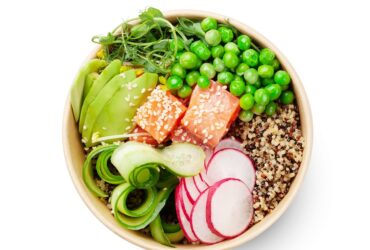
Poke bowl with salmon, avocado, quinoa and cucumber. Isolated on white background. Traditional hawaiian meal. Top view flat layDo you think you have a healthy diet? You might be surprised to learn that most adults overestimate the quality of their diet. According to a new study from the U.S. Department of Agriculture’s Agricultural Research Service, only a small percentage of adults can accurately assess their diet. In fact, it is mostly those who evaluate their diet as poor who are the most accurate.


While previous studies have found that self-rated health is a strong predictor of mortality, there isn’t much research on whether self-rated diet quality is predictive of the actual quality of diet. So, researchers wanted to determine whether a single question could be used as a screening tool for nutrition studies. If it was able to, it would replace a detailed dietary questionnaire that is commonly used in nutrition research.

For the study, data was used from the National Health and Nutrition Examination Survey, a nationally representative survey of U.S. adults conducted every two years. All participants were required to complete 24-hour detailed dietary questionnaires and rate their diet as excellent, very good, good, fair, or poor.

Researchers used the questionnaires to score each participant’s diet quality. Foods ranked as healthier included fruits and vegetables, whole grains, healthy fats, lower-fat dairy products, seafood and plant proteins. Foods considered less healthy included refined grains and foods high in sodium, added sugars, or saturated fats.

Significant disconnects were found between the calculated scores and how participants ranked their own diet. Almost 99% overrated the healthfulness of their diet.

“It’s difficult for us to say whether U.S. adults lack an accurate understanding of the components of a healthful versus unhealthful diet or whether adults perceive the healthfulness of their diet as they wish it to be — that is, higher in quality than it actually is,” said lead author Jessica Thomson. “Until we have a better understanding of what individuals consider when assessing the healthfulness of their diet, it will be difficult to determine what knowledge and skills are necessary to improve self-assessment or perception of one’s diet quality.”

Food Facts

No matter the reason for the disconnect between how most U.S. adults think they are eating and how unhealthy their diet truly is, steps need to be taken to improve their diet. This study adds to mounting evidence that shows how people need to be educated on food facts and how diet can affect our general health.

To help ensure your diet is complete, 65+ Superfood Essentials is an excellent addition to a daily supplement regime. This breakthrough formula is a great way to support and promote cardiovascular and overall health. It contains Capros®, a patented and clinically studied Indian gooseberry extract that has been found to absorb free radicals and provide cascading antioxidants.

Acai berry (the powerful natural antioxidant known to support total health) and resveratrol, a premier anti-aging ingredient, are also found in this formulation that can help ensure proper nutrients and vitamins essential as you age.

New Study Tracks Sleep throughout a Lifetime

A new study has tracked sleep patterns at all ages, finding that Americans stay up late in their 20s, get the least sleep around age 40, and get the most after they’ve retired from work and/or the kids have flown the nest.


The findings were based on more than 11,000 Americans aged six and up who took part in a periodic health study between 2011 and 2014. Participants wore devices on their wrists that recorded movement, day and night, for seven days.

Reasons for the findings may be that teens and young adults operate on a rhythm that allows them to stay up later during the week while also staying up later to be on social media or going out. The research shows they sleep in later on weekends.

Those around 40 may get less sleep because of their schedule, trying to balance their career, childcare, and other things. Frankly, they may be the most pressed for time and therefore put sleep lower on their list of priorities.

Then later in life, once family and work life slow down, adults tend to get into a better sleep groove and see the duration and quality of sleep increase.

How can you tell if your sleep habits have room for improvement?

It’s a red flag if you find yourself nodding off within minutes of sitting down. For example, you should be able to stay awake during a boring lecture or movie.

For some, it could be as little as prioritizing sleep. Consistently pushing off sleep to watch Netflix, sports, or scroll through social media can lead to trouble. Boosting sleep’s value and turning off devices in the evening to stick to a bedtime routine is an easy way to improve sleep duration and quality.

If you’re getting 8 hours of sleep each night but still feel groggy in the morning and throughout the day, it could indicate a health condition like sleep apnea.

Playing With Pre-School Friends Reduces Risk of Mental Health Problems Later

Playing with pre-school friends can actually reduce the risk of developing mental health problems later in life.


Do you remember making friends in pre-school? It may seem like so long ago, but new research suggests that those friendships may have actually been good for your mental health. These findings are the first to provide clear evidence that ‘peer play ability’ — the capacity of children to successfully play with other children — has a positive and protective effect on mental health later in life. 

For the study, researchers from the University of Cambridge examined data from almost 1,700 children collected between the ages of three and seven. Different types of peer play were analyzed, including simple games, pretend play, goal-directed activities, and collaborative games.

These peer play indicators were used to create a measure of ‘peer play ability,’ the underlying ability of a child to engage with peers playfully. At age seven, children were also watched for any possible signs of mental health problems, including hyperactivity, conduct, emotional, and peer problems.

At age three, those with better peer play ability consistently showed fewer signs of poor mental health four years later. Researchers noted these children were also less likely to have lower hyperactivity, fewer conduct and emotional problems, and they were less likely to get into disagreements with other children.

These findings suggest that children should be given access to well-supported opportunities to play with their peers. This is especially true for young children who may be vulnerable to mental health issues. An example of an opportunity may include a playgroup run by early years specialists.

Dr. Jenny Gibson from the University of Cambridge said: “We think this connection exists because through playing with others, children acquire the skills to build strong friendships as they get older and start school. Even if they are at risk of poor mental health, those friendship networks will often get them through.” 

Mental Health and Brain Function

This study outlines the importance of mental health throughout life. At an early age, what we are exposed to and how we deal with our peers can significantly affect our mental and brain health.

Other factors such as stress can affect brain function, which can affect concentration, memory, and overall cognitive function. The Smart Pill can help counteract these effects through nine ingredients that help support, nourish, and maximize brain health and cognitive function.

These include ginkgo biloba, huperzine A, bacopa extract, rosemary extract, and a B vitamin complex. This unique formula helps boost circulation, fight free radicals, and help to promote clear thinking.

Food and Drink to Help You Stay Hydrated

The summer heat can tax your body’s water supply, particularly when you’re outside and active. Staying well-fueled and hydrated is an absolute must during summer exercise.


Summer workouts, or any form of outdoor activity in the heat and humidity, require you to ensure you’re getting enough carbohydrates, fluids, and electrolytes. You want to make sure you’re maintaining

safe blood and sodium levels to keep you from feeling faint.

What you eat before and after exercise can play a significant role in keeping you feeling good, staying hydrated, and functioning optimally. Doing so can help your body adapt to the water it sweats out.

Some of the best foods to eat before and after a workout are foods high in electrolytes and water. These include watermelon, honeydew, cantaloupe, soups, apples, berries, pineapple, bell peppers, tomatoes, celery, or smoothies.

Having a large water bottle to sip throughout the day is also a good idea. And if you’re outside for an extended period or doing heavy work, causing you to sweat a lot, you may want a sports drink or food with some salt to help replenish lost electrolytes.

You can keep track of your hydration status by monitoring the color and frequency of your urine. If it is dark and concentrated or you’re not going to the bathroom for extended periods, you likely need to consume more fluids. If urine is consistently clear and you are heading to the toilet at a rapid rate, you may be overhydrating.

Ultimately you want to go to the bathroom every few hours and have a light yellow color.

After an outdoor workout, you might not feel hungry or have much of an appetite, but it is important to have a snack or meal to help replenish blood sugar. A fast-absorbing carbohydrate, like fruit, rice, and some protein are recommended.

Exercising in the heat takes a little bit of extra care. Take steps to ensure your body has what it needs so you can get the most from your outdoor time.

Research Suggests That Nordic Walking Provides Sustained Health Benefits to Heart Patients

If you have heart disease and are looking for an enjoyable, low-impact way to improve your health, look no further than Nordic walking. Nordic walking, an activity that has become increasingly popular in recent years, provides a variety of health benefits that can be sustained over time. Keep reading to learn more about Nordic walking and discover why it might be the perfect exercise for you.


Nordic walking is an activity that involves walking with the aid of long poles resembling ski poles. It is specifically designed to engage the upper and lower body muscles further. This type of exercise is becoming more popular among those who want a different type of workout.

Following major cardiovascular events, including heart disease, rehabilitation and exercise training programs have been found to provide considerable improvements in functional capacity, fitness, and mental health. However, some patients don’t follow through with these exercises because they find them monotonous and stop them once their cardiovascular rehabilitation program is completed.

So, researchers set out to explore if different exercise options may appeal to more patients causing them to stick with them longer. Their study involved 130 patients and compared the prolonged effects of a 12-week rehabilitation with three types of exercise; high-intensity interval training, moderate-to-vigorous intensity continuous training, and Nordic walking. Functional capacity, quality of life, and depression symptoms in patients with coronary artery disease were analyzed.

Over a 14-week observation phase, it was found that while all exercise programs improved depression symptoms and overall quality of life, the most marked improvement in functional capacity was greatest after Nordic walking (+19%). This was compared to high-intensity interval training (+13%) and moderate-to-vigorous intensity continuous training (+12%).

“This is a key finding because lower functional capacity predicts higher risk of future cardiovascular events in people with coronary artery disease,” explained Jennifer L. Reed, Ph.D. “Nordic walking engages core, upper and lower body muscles while reducing loading stress at the knee, which may have resulted in greater improvements in functional capacity.”

This is the first study of its kind to simultaneously compare the sustained effects of different exercise programs that can be done every day. It helps to show physicians that when prescribing exercise for patients with coronary artery disease, it is vital to take their preferences into consideration.

Heart Health

Keeping the heart strong and healthy is vital for enjoying a high quality of life as you age, even if you have had no signs of cardiovascular disease. Heart Rescue was designed to help support and promote cardiovascular health using various ingredients, including omega-3 fatty acids, CoQ10, magnesium, and hawthorn extract. This formula’s health benefits can help strengthen the heart muscle, support circulation, and help reduce the risk of heart disease.

It’s Really Hot Out — Here’s How To Stay Safe

High temperatures might not seem like a health threat, but they are. It appears that heat waves in North America are becoming extremely common, and they can be a serious threat to many.

According to the CDC, about 700 people die from extreme heat each year. And as temperatures increase and stay there longer, that number is likely to go up.

People battling chronic conditions like heart disease or lung issues may be at the highest risk, although nobody is immune from the potential hazards of the heat. Those older than 65 are also at high risk.

Here are some ways to stay safe and protect yourself from extreme heat.

  • Stay hydrated. Drink more water than normal, even if you are not thirsty.
  • Seek air conditioning: If you have air conditioning, have it turned on and stay indoors. If you don’t, seek it out. Go to a movie theatre, a friends’ place, or a community cooling station.
  • Do not rely on a fan during an extreme heat event. Fans will blow around hot air and do little to keep your temperature down in extreme heat.
  • Do not use the stove or oven for cooking. It will boost the temperature in your home.
  • Limit outdoor activity, particularly midday when the sun is at its hottest.
  • Wear lightweight, loose, and light-colored clothing
  • Take cool showers and baths
  • Check on friends and family and ask them to check on you.
  • If you are outside, wear sunscreen and reapply. Sunburn can impact your body’s ability to cool itself.

The heat is no joke, so be careful not to underestimate it. It can be even more dangerous when humidity factors in because sweat does not evaporate as quickly.

Be safe during these heat waves and do your best to establish safe practices.

Five-Star Guarantee of Satisfaction