
Devon Andre -Dec 9,2024
Dec 9,2024

Advertisement
Advertisement
Looks like it’s time to read between the lines. A new analysis indicates our newspaper reading habits can predict future obesity. A study conducted by the Cornell Food and Brand Lab analyzed 50 years of popular newspapers (The New York Times and London Times) for food-related content. The study suggests food words trending now could ...click here to read more

Eczema is a chronic skin condition which can leave the skin red and itchy. Although many forms of eczema are treatable, there are some types which do not respond well to treatment. Yale researchers have recently been able to treat a previously untreatable form of eczema by using a rheumatoid arthritis drug. Previous studies using ...click here to read more

The number of Lyme disease cases is on the rise in the U.S. according to a study using data spanning two decades by the Centers for Disease Control and Prevention (CDC). The study tracked the distribution of reported Lyme disease cases in humans across counties. They were classified into four, five-year intervals 1993–1997, 1998–2002, 2003–2007, ...click here to read more

In a large comparative analysis of more than 30,000 men, the University of Texas Medical Branch revealed there is no link between testosterone therapy and blood clot disorders in veins. They also found middle and older aged men are not at higher risk for this illness with testosterone therapy. Blot clots in the veins which ...click here to read more

About 30% of Canadians are not taking their medications as prescribed, according to a survey by the Canadian Pharmacists Association (CPhA). Citing repeat visits to clinics and emergency rooms, recurring illnesses and worsening medical conditions, CPhA is urging expanded programs for health advice and services. The survey, conducted earlier this year, reveals that 25 percent ...click here to read more
Advertisement
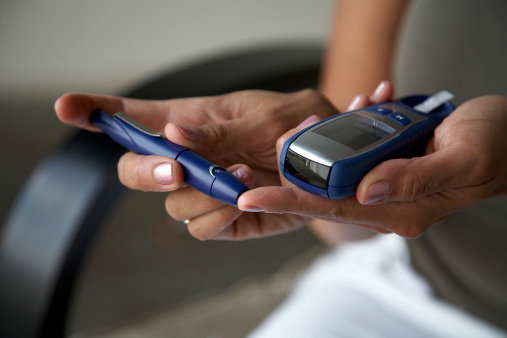
There is a genetic link between those who have Type 2 diabetes developing Alzheimer’s disease according to findings from the Icahn School of Medicine at Mount Sinai. By using findings from a recent genome-wide association study (GWAS), researchers aimed to uncover genetic factors that contribute to both Type 2 diabetes and Alzheimer’s. GWAS examined differences ...click here to read more

Although probiotics may boost gut bacteria, their effectiveness relies on what is carrying them – food, beverage, other material – this according to findings from the American Society for Microbiology. “Our findings indicate that the manner in which a probiotic is delivered–whether in food or supplement form–could influence how effective that probiotic is in delivering ...click here to read more

A new study reveals a low risk treatment to combat blood clots is more effective, less expensive and can release patients days sooner. Indiana University School of Medicine researchers treated 106 low-risk patients diagnosed with deep vein thrombosis or pulmonary embolism. Typically these patients are treated with an injectable anticoagulant, monitored for a few days ...click here to read more

Maybe you’ve heard of the “second child syndrome” or that the eldest in a family is the smartest. New research from the University of Illinois has said ruled out birth order has no meaningful effect on personality traits and IQ. Researchers at the University of Illinois did find that the oldest child does have a ...click here to read more

According to the University of Wisconsin, less than one in six health care workers remove their protective garments correctly. The CDC has set recommendations which health care workers should comply with after visiting infected patients; this includes how to properly remove garments to not spread illness. A trained observer watched health care personnel enter and ...click here to read more

Bugs – yes bugs – are being touted a source for sustainable protein at the Institute of Food Technologies symposium. Presenters noted one third of the earth is being used to raise livestock for human consumption. They said a move towards insect protein can help meet the needs of a growing population, which is expected ...click here to read more

It’s estimated that 17 percent of older Americans have hearing loss, according to NIH Senior Health. Unlike other animals, humans cannot reverse hearing loss, so once it’s gone, it won’t come back. But new findings suggest it may now become possible to reverse hearing loss. Washington University School of Medicine may be a step closer ...click here to read more

Two people with the same disease-causing mutation sometimes don’t get sick in the same way. This phenomenon has puzzled researchers for decades and so researchers at the University of Toronto worked to uncover why. “We have shown how genetic background – that is, the unique set of DNA letters present in any person’s genome – ...click here to read more

How was your blood pressure midlife? If it was high, it could be affecting your brain health in your older years, according to research by the Boston University Medical Center. People are living longer. Many will go well into their 80s. While have been numerous previous studies, which have examined cardiovascular risk linked to dementia, ...click here to read more
Five-Star Guarantee of Satisfaction