Devon Andre -Dec 9,2024
Dec 9,2024

Advertisement
Advertisement

Aphasia and dysphasia are language-associated conditions that are caused by damage or injury to the brain; however, there is a difference between the two. Understanding these differences can lead to a greater understanding of these communication problems. If someone has aphasia, they are experiencing a total disruption of speech and comprehension, while dysphasia is a ...click here to read more

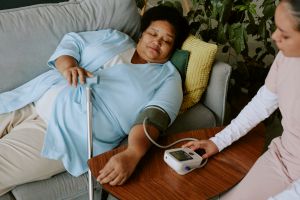
Strokes can be really frightening and recovery after one can be a lengthy process. Many patients and their family members are anxious to learn how to recover from a stroke quickly and without complications. It can be overwhelming when someone who is physically and socially active suddenly loses the ability to walk and talk clearly. ...click here to read more
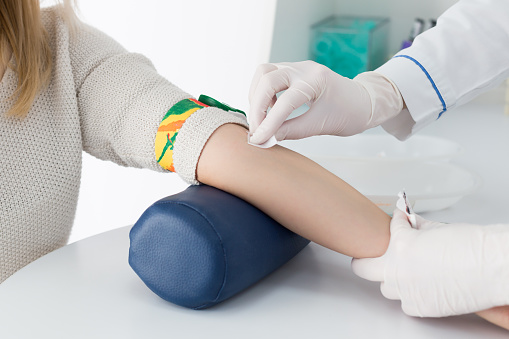
During the early stages of schizophrenia and depression, doctors often have a difficult time distinguishing between the two mental health disorders. The good news is that doctors may now be steps closer to be diagnosing depression and schizophrenia with the use of a blood test. Coauthor of the study Dr. Handan Gunduz-Bruce explained, “This is ...click here to read more

Identifying an object or a sound may seem like a given, but a rare condition called agnosia is just the opposite—an inability to recognize things or faces. People with this disorder see the geometric features of an object but cannot recognize it. They can see a face, but do not recognize it. In some cases, ...click here to read more
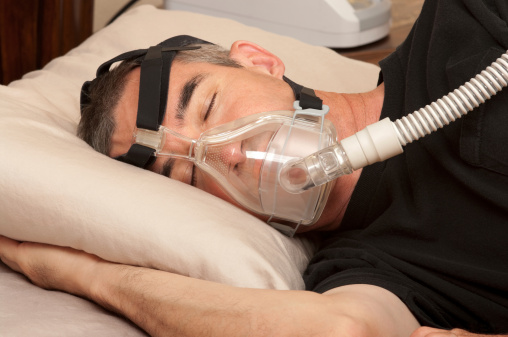
Snoring is a normal sleeping habit for almost 50 percent of people, however, some of these noisy sleepers may actually stop breathing for 30 seconds or longer several times a night. If you stop breathing while sleeping, does it affect your body? Continue reading to learn what this interrupted breathing may mean as well as ...click here to read more
Advertisement
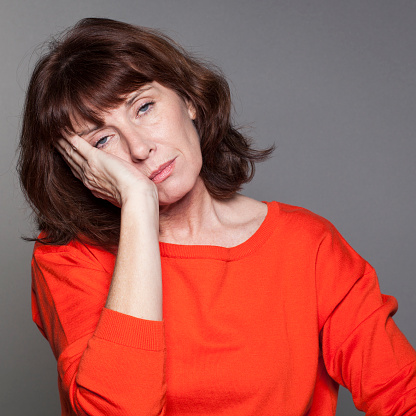
A migraine hangover, or migraine postdrome, can occur after you experience a migraine and could be almost as debilitating as the pain itself. Most people who suffer migraines will feel the postdrome almost immediately after the pain subsides, and symptoms can last for up to 48 hours. Continue reading to learn what a migraine hangover ...click here to read more

Middle-aged adults who experience dizzy spells upon standing may have a higher risk of developing dementia later in life according to new research from the Johns Hopkins Bloomberg School of Public Health. These dizzy spells are caused by a sudden and temporary drop in blood pressure—referred to as orthostatic hypotension—and have the potential to cause ...click here to read more

Loneliness is defined as an unpleasant feeling caused by a difference between the level of social connectedness you have and the level of social connectedness you want for yourself. It does not necessarily have anything to do with the number of friends you have or whether you are in a relationship—people who have lots of ...click here to read more

This weekend, we go through Daylight Saving Time, the time of the year that signifies spring is around the corner. Daylight Saving Time causes our evenings to become brighter, which allows us to be exposed to more hours of sunlight. Although the promise of warmer weather soon approaching is a positive of Daylight Saving Time, ...click here to read more

Dementia and Alzheimer’s disease are growing concerns as the U.S. population ages, bringing the importance of keeping your brain healthy to the forefront of many medical journals. While we all know to wear a helmet and protect your head when engaging in risky activities, there are more potential dangers to your brain’s health than you ...click here to read more

New research from the University of Virginia School of Medicine has shown that depressive symptoms can be reversed through the addition of certain probiotics in the diet of mice. Lactobacillus is a probiotic found in live cultures of yogurt and was proven to be an effective treatment for mice displaying depressive symptoms, suggesting that there ...click here to read more
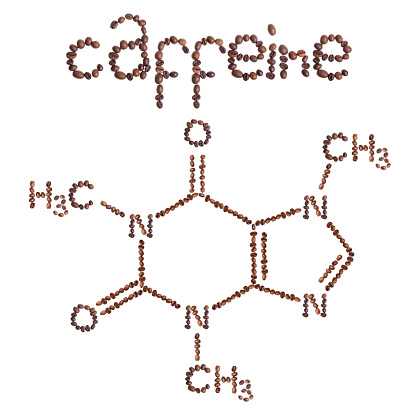
Don’t skip that morning cup of coffee! New research has found that caffeine boosts the production of an enzyme that may protect your brain against dementia. In a study out of Indiana University, caffeine was one of 24 compounds found to effectively boost the production of NMNAT2, an enzyme that functions on two protective levels ...click here to read more
Alzheimer’s disease affects over five million Americans aged 65 and older and has doubled its death rate since 2002, according to a new report published by the Alzheimer’s Association. The neurodegenerative disease now claims double the number of lives that it did just 15 years ago, a statistic that the director of the Alzheimer’s Association ...click here to read more
New research has discovered a link between migraines and the risk of arterial tears in the neck—a factor that can increase the danger of stroke. Tears to the arteries in the neck are known as arterial dissection, and while a relationship has been found between this condition and migraines, the probability of developing it is ...click here to read more
Five-Star Guarantee of Satisfaction