
Devon Andre -Dec 9,2024
Dec 9,2024

Advertisement
Advertisement
Whether Alzheimer’s disease could lead to type 2 diabetes has been studied for a long time. Recently, researchers found that a common diabetes drug could be effective at treating Alzheimer’s disease – and that Alzheimer’s disease could, in fact, lead to type 2 diabetes. As the study found, Alzheimer’s disease and type 2 diabetes are ...click here to read more
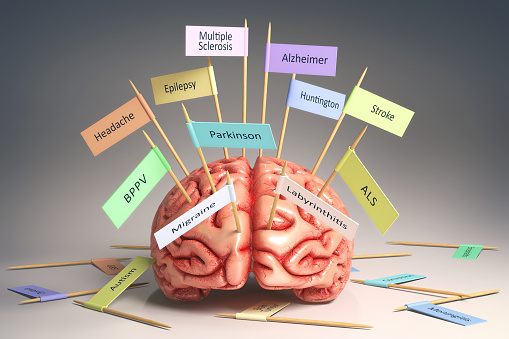
Traumatic brain injury (TBI) with a loss of consciousness (LOC) has been found to be associated with later-life Parkinson’s disease, but not Alzheimer’s disease or incident dementia. The Centers for Disease Control and Prevention estimated that 1.3 million Americans visit the emergency room every year for a traumatic brain injury, so the later-effects of TBI ...click here to read more

Psoriasis drug may help treat Alzheimer’s disease, according to research findings. The number of people living with dementia is expected to grow exponentially by the year 2050, so there is a pressing need for treatment options for dementia and Alzheimer’s disease. Dementia is one of the most common health problems among the elderly. Researchers at ...click here to read more

Diabetes, epilepsy, and asthma may increase the risk of suicide and self-harm. For the study, the researchers compared different psychiatric and physical disorders in England. Along with diabetes, epilepsy, and asthma, other physical illnesses associated with a higher risk of suicide and self-harm included migraine, psoriasis, eczema, and inflammatory polyarthropathies. Authors Dr. Arvind Singhal and ...click here to read more

Multiple sclerosis (MS) patients may improve cognition with regular walking, cycling, and yoga, according to research. The study found that increasing exercise and physical activity can help multiple sclerosis patients improve cognition. Cognitive problems are common among multiple sclerosis patients as the report explained, “Cognitive dysfunction in MS is associated with negative health consequences, including ...click here to read more
Advertisement

Pneumonia patients are more likely to suffer from depression and cognitive impairment, according to research. The study uncovered that pneumonia patients are twice as likely to develop cognitive impairment, while hospitalized older patients are at a higher risk for other health complications like a heart attack and stroke. Senior author Dr. Theodore J. Iwashyna said, ...click here to read more

Researchers now have an explanation of how West Nile virus causes neurological problems like memory loss, fatigue, and weakness. West Nile virus is known to cause fever and brain infections, but up until now, little was known about memory loss, fatigue, and weakness symptoms associated with the virus. Neurological problems resulting from West Nile virus ...click here to read more

Alzheimer’s disease patients receive less pain relief medication as they report pain less often due to altered pain perception. The study found that Alzheimer’s disease may change a person’s ability to experience pain or recognize that they are in pain. This is problematic because the concomitant health issues may go undetected, causing further complications. In ...click here to read more

Early dementia and Alzheimer’s disease indicators include behavioral changes and poor balance – in addition to memory loss. Although forgetfulness is a common sign of Alzheimer’s disease, a new study shows changes in behavior may be the first red flag signaling the onset of mental deterioration. The Alzheimer’s diagnosis is usually based on mild cognitive impairment, ...click here to read more
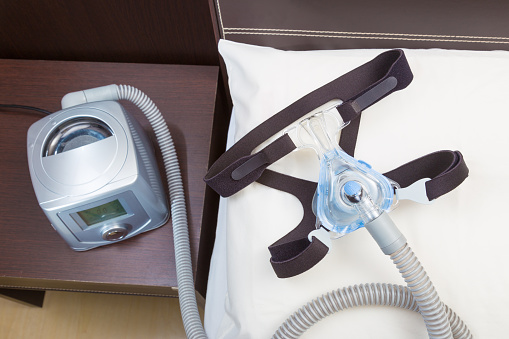
Obstructive sleep apnea patients with CPAP intolerance may benefit from hypoglossal nerve stimulation (HGNS). Continuous positive airway pressure (CPAP) device is commonly used to treat sleep apnea. A facial mask worn throughout the night, it produced continuous airflow to make sure the person doesn’t stop breathing. Some individuals, however, may be intolerant to CPAP device ...click here to read more

Estrogen fluctuations associated with menopause raise the levels of and susceptibility to stress, while postmenopausal depression increases the risk of diabetes and heart disease. Estradiol (a form of estrogen) fluctuates during menopause transition, causing heightened emotional sensitivity to stress. When these hormonal changes overlap with a very stressful life event, the result is depressive mood. ...click here to read more
Parkinson’s disease and ALS can cause difficulties in movement and are both known to be progressive neurological diseases. ALS is part of a cluster of disorders known as motor neuron diseases that involve gradual degeneration and death of motor neurons. In a healthy individual, messages from motor neurons in the brain are transmitted to the motor ...click here to read more

Yoga may help combat depression, post-traumatic stress disorder (PTSD), and anxiety in seniors. Yoga continues to grow in popularity and for good reason, too. Yoga has been found to provide multiple benefits such as improving flexibility and strength along with reducing stress and anxiety. For the study, researchers analyzed 13 literature reviews accounting for 185 articles. The researchers ...click here to read more

Multiple sclerosis (MS) movement and balance problems cause identified and it can help cure other autoimmune diseases. The researchers found what they call a faulty “brake” in the immune cells. This “brake” should be controlling inflammation – but it doesn’t. The new findings could also be useful in development of new targeted therapies for other ...click here to read more
Five-Star Guarantee of Satisfaction