
Devon Andre -Dec 9,2024
Dec 9,2024

Advertisement
Advertisement
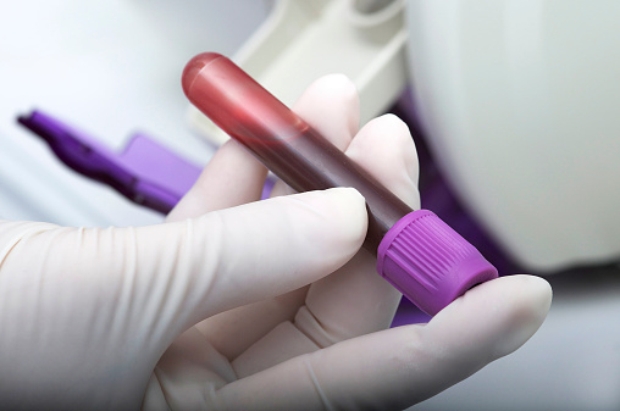
A non-invasive method to diagnose Alzheimer’s disease has shown promise in detecting the condition early on. The researchers developed a technology that can identify the pathological oligomeric forms of brain tau proteins in blood platelets of patients with Alzheimer’s disease and other neurodegenerative disorders. They uncovered that pathological forms of tau proteins correlate with decreased ...click here to read more

A new multiple sclerosis (MS) drug has shown promise in treating the advanced stages of the neurological disease. The researchers found that the drug can help slow down progression of MS, even in its advanced stages – there is currently no treatment for advanced stages of multiple sclerosis. Known as ocrelizumab, the drug is considered ...click here to read more

A new study has confirmed that any type of exercise is beneficial for Parkinson’s disease patients. It may be difficult for Parkinson’s disease patients to exercise, but many experts in the field suggest that exercise can have long-term benefits for them. Parkinson’s disease is characterized by a loss of dopamine, which can contribute to a ...click here to read more

The holidays can be a stressful time of the year, taking a serious toll on your mind and body. Holiday season is a time of great expenditures, busy schedules, and hectic running around. No wonder by the time all festivities are over, you feel worn down, exhausted, and maybe even ill. Stress alone isn’t that ...click here to read more
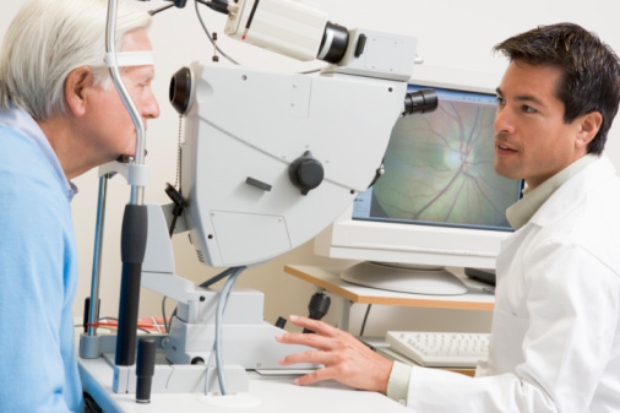
Glaucoma treatment may have potential in helping prevent Alzheimer’s disease, according to new research. The study was conducted on rats using the glaucoma drug brimonidine, which is intended to lower ocular pressure. The study uncovered that this drug also reduced the formation of amyloid proteins – which are believed to be linked to Alzheimer’s disease ...click here to read more
Advertisement

The days are shorter, the temperature is dropping, and there is plenty of white fluffy stuff flying around – yup, it must be winter! Some people love this season because it’s a time to cuddle, play winter sports, and celebrate the holidays. But for others, winter doesn’t bring just lower temperatures, it also brings low ...click here to read more

When dealing with social anxiety disorders, cognitive therapy has been found to be the most effective treatment. Current treatment isn’t very effective, which led researchers to explore other treatment and therapy options that could work better for social phobia cases. The researchers studied the effects of talk therapy and medications on patients with social phobia ...click here to read more
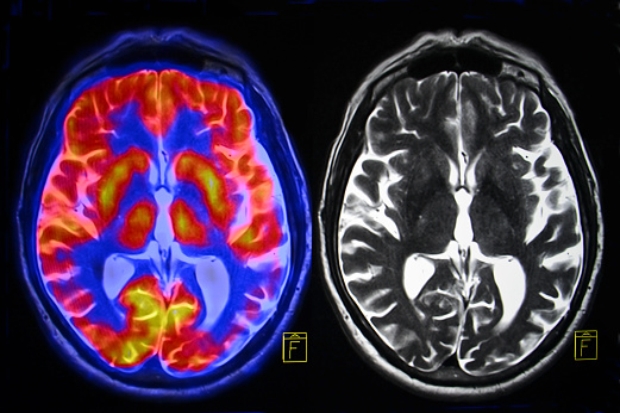
Researchers have compared Alzheimer’s and normal brains and uncovered specific brain regions to be targeted for dementia prevention. While memory decline (to a certain degree) has always been seen as a normal part of aging, researchers have uncovered that some seniors – dubbed “supernormals” – are able to maintain their memory way better than their ...click here to read more

Researchers at Penn State University have confirmed that the “sniff test” can help diagnose Alzheimer’s disease. Much research has come to light revealing that the sense of smell, or lack thereof, may be an early indicator of Alzheimer’s disease. Not only does the sniff test help diagnose and confirm Alzheimer’s disease, but it can also ...click here to read more

Social media may be good for mental health, but may also lead to depression, according to research findings. The researchers reviewed 70 studies that examined the relationship between social networking and depression, anxiety, and well-being. The review demonstrated that social media is an effective way of staying connected with others. It also may be a ...click here to read more

An increased risk of cognitive impairment in older adults has been associated with living in a high-pollution environment. There is a strong push towards reducing air pollution as it is linked to numerous health problems such as heart disease, lung disease, and diabetes, to name a few. More recent findings suggest that air pollution can ...click here to read more

Sundowning, commonly seen in dementia patients, refers to behavioral changes that take place in the evening when the sun sets. Patients may become more agitated, aggressive, or confused as the night approaches. This is often seen in more severe cases of dementia. Sundowning, or sundown syndrome may be a result of disturbances to the patient’s ...click here to read more

Although the holidays are meant to be a joyous time, for some it could trigger depression. Emotional and financial stress, which is often associated with the end-of-the-year festivities, can very well trigger depression, but experts suggest there are ways to prevent depression from striking this time of year. Patricia Woods, liaison service at New York-Presbyterian ...click here to read more

Memory problems and dementia risk increases in proteinuria (protein in urine) patients. Proteinuria is often indicative of kidney problems, but researchers found that patients with protein in the urine may also be at a higher risk for memory problems. The researchers reviewed all available studies on kidney problems and cognitive impairment. Author Kay Deckers explained, ...click here to read more
Five-Star Guarantee of Satisfaction