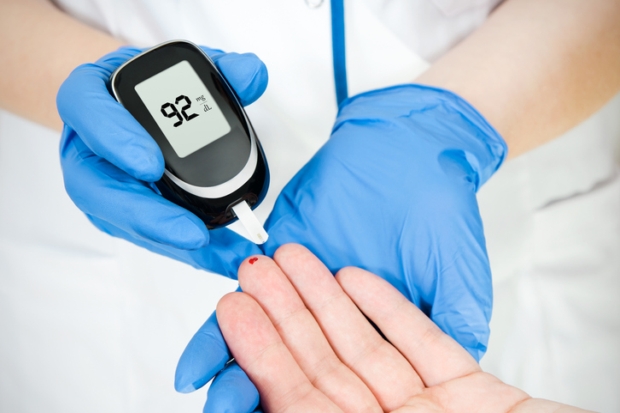

In the United States, over two million children and adults are living with a form of diabetes. Type-1 diabetes, also known as juvenile diabetes, is most often diagnosed in children and young adults, and occurs when the body is unable to produce the insulin hormone and thereby has trouble converting sugar and starch into usable energy. Without insulin, blood sugar cannot enter into the body’s cells, muscles and organs, resulting in a dangerous accumulation of it in the bloodstream.
If you’ve been trying to limit the number of calories you consume to drop a few pounds, you’ve likely joined the growing mass of people who have switched from sugar to artificial sweetener. But, according to a study recently published in Diabetes Care, it turns out that artificial sweetener could be sabotaging your weight loss attempts afterall. Researchers at Washington School of Medicine in St. Louis found that sucralose — one of the most common artificial sweeteners, found in Splenda …
Although diabetes is often mistaken for an incurable and unmanageable disease, the majority of type-2 (adult onset) diabetes cases are both preventable and reversible. Certainly, eating a diet rich in a variety of vegetables, fruits, lean protein, beans, legumes and whole grains helps to reduce your risk for type-2 diabetes, as well as restricting foods containing processed, sugary and trans fatty ingredients. But new studies are showing that by simply adding more walnuts to your diet, you could actually reduce …
If you are like 80% of the adult population then you consume caffeine in one form or another. Although you are probably well aware that too much caffeine can cause temporary, undesirable side-effects such as restlessness or an inability to fall asleep, you may not be aware that the effects of caffeine are not always so short-lived or benign. So before you reach for that morning coffee, afternoon soda or nightly energy drink, consider the following ill-health effects of caffeine …