Health News

Alzheimer’s drug shows promising results: Biogen

Biotechnology company Biogen released clinical trial data it said represented a significant reduction in amyloid plaques in the brains of people affected by Alzheimer’s disease. The findings were presented to the Alzheimer’s Association International Conference. Biogen’s PRIME study is an ongoing Phase 1b randomized, double-blind, placebo-controlled, multiple-dose study evaluating the safety, tolerability and clinical effects ...click here to read more

Large kidney stones improve with tamsulosin

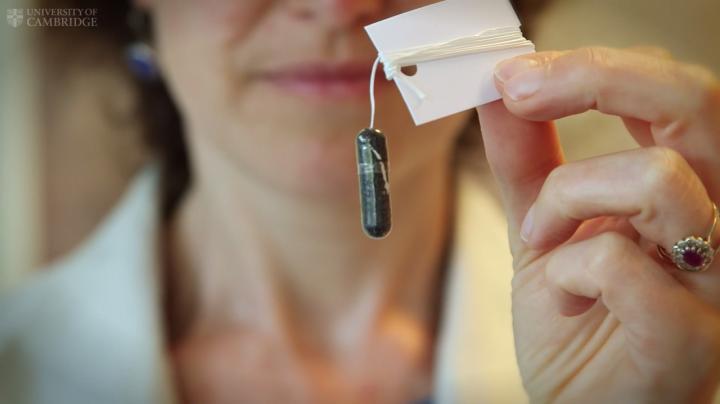
In an attempt to uncover better treatment for kidney stones, researchers conducted clinical trials of a kidney stone medication called tamsulosin. What they found was on small kidney stones tamsulosin had minimal effect, putting its results on par with the placebo. But tamsulosin was effective at breaking down larger kidney stones making them easier to ...click here to read more

Health effects from air travel can be relieved with elderberries

Although travelling the world can be an enlightening, enjoyable experience, there are negative health effects associated with international air travel. When embarking on international flights – typically quite long – flyers may experience cold and flu like symptoms. Researchers at Griffith University have found that elderberries may help combat the negative health effects of international ...click here to read more

Stanford scientists find iron-containing cells in brains of Alzheimer’s patients

Results of a post-mortem examination of brain tissue has added a new suspect to the list of causes for Alzheimer’s disease. It was believed that one of the important causes of the disease were amyloid plaques in the brain tissue. Another key cause is tau, a protein that abnormally aggregates into threadlike tangles inside nerve ...click here to read more

Blood vessels may improve with age: Study

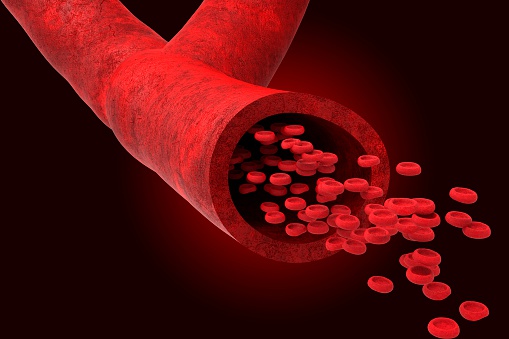
Like a fine wine, it only gets better with age. New research has found that blood vessels, in particular, can actually improve over time. Although oxidative stress can be linked to illness, researchers from the University of Missouri have uncovered that aging may offer protection to blood vessels from oxidative stress. Many age-related illnesses can ...click here to read more

Lithium emerges as novel treatment for mitochondrial diseases

Lithium is being touted as a way to restore basic biological processes in human cells and animal models, according to researchers at the Children’s Hospital of Philadelphia. “By adjusting basic biological activities involved in cell death and energy production, we were able to rebalance cells toward more normal functioning,” said Marni Falk, of the hospital’s ...click here to read more
Newspapers help predict obesity rates: Study

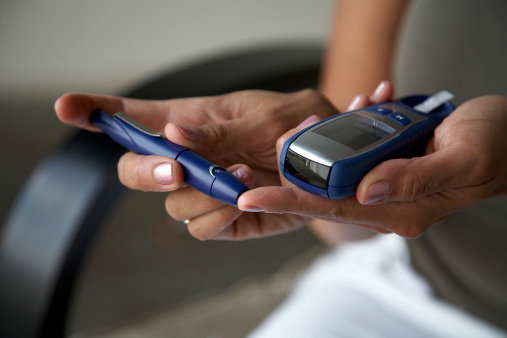
Looks like it’s time to read between the lines. A new analysis indicates our newspaper reading habits can predict future obesity. A study conducted by the Cornell Food and Brand Lab analyzed 50 years of popular newspapers (The New York Times and London Times) for food-related content. The study suggests food words trending now could ...click here to read more

Untreatable eczema combated with arthritis drug

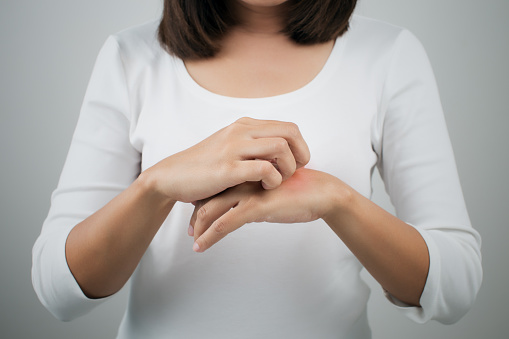
Eczema is a chronic skin condition which can leave the skin red and itchy. Although many forms of eczema are treatable, there are some types which do not respond well to treatment. Yale researchers have recently been able to treat a previously untreatable form of eczema by using a rheumatoid arthritis drug. Previous studies using ...click here to read more

Lyme disease cases on the rise in the United States: CDC study

The number of Lyme disease cases is on the rise in the U.S. according to a study using data spanning two decades by the Centers for Disease Control and Prevention (CDC). The study tracked the distribution of reported Lyme disease cases in humans across counties. They were classified into four, five-year intervals 1993–1997, 1998–2002, 2003–2007, ...click here to read more

30% of Canadians not taking prescriptions properly: Survey

About 30% of Canadians are not taking their medications as prescribed, according to a survey by the Canadian Pharmacists Association (CPhA). Citing repeat visits to clinics and emergency rooms, recurring illnesses and worsening medical conditions, CPhA is urging expanded programs for health advice and services. The survey, conducted earlier this year, reveals that 25 percent ...click here to read more

Risk of type 2 diabetes and Alzheimer’s found in genes

There is a genetic link between those who have Type 2 diabetes developing Alzheimer’s disease according to findings from the Icahn School of Medicine at Mount Sinai. By using findings from a recent genome-wide association study (GWAS), researchers aimed to uncover genetic factors that contribute to both Type 2 diabetes and Alzheimer’s. GWAS examined differences ...click here to read more