Devon Andre -Dec 9,2024
Dec 9,2024

Advertisement
Advertisement

The prebiotics found in food like asparagus, oatmeal, and legumes could help you manage stress and regulate your sleep after a traumatic event, according to a new study from the University of Colorado Boulder. Acute stress can affect the gut bacteria within your intestines, and researchers set out to discover whether eating a prebiotic enriched ...click here to read more

Research from Lund University has found a link between intestinal bacteria and the development of Alzheimer’s disease. Gut bacteria interact with the immune system, intestinal mucosa, and your diet, and can affect your health and well-being. The team studied mice both with and without Alzheimer’s and compared the composition of their intestinal bacteria. Those with ...click here to read more

New findings published in the Journal of the American Geriatrics Society have found that nursing home patients have a better quality of sleep after receiving acupressure treatment. The study was conducted by the Taipei Medical University in Taiwan and followed 62 nursing home patients who were randomly split into two groups. The first group received ...click here to read more

February 13 is International Epilepsy Day, and in honor of this event, Bel Marra Health has gathered a collection of articles related to epilepsy, including information on diabetes, cataracts, heart rate, and asthma. Diabetes, epilepsy, and asthma may increase risk of suicide and self-harm Diabetes, epilepsy, and asthma may increase the risk of suicide and self-harm. ...click here to read more

It is estimated that nearly 50 percent of insomnia cases are a result of stress; however, sleep experts have compiled a list of tips you can use to reduce stress and improve your sleep. If you find yourself tossing and turning at night, unable to sleep because of stress, these tips should help you get ...click here to read more
Advertisement

Tiredness… it’s one of the most obvious signs that you haven’t been sleeping well. If you wake up tired or can hardly make it through your day, chances are, you probably didn’t sleep well last night. But did you know there are other pointers that could provide you with some insight into the quality of ...click here to read more

A recent study conducted by the University of California, Los Angeles, has found that regularly consuming grapes may protect against the decline of metabolic activity in those with early memory decline, preventing Alzheimer’s. Low metabolic activity in certain areas of the brain is a characteristic of the early stages of Alzheimer’s, and the study showed ...click here to read more

The key to getting a good night’s sleep may lie in simply spending more time outdoors, according to new research published in Current Biology. Technology-filled environments could be responsible for issues with our circadian rhythm and sleep timing, which causes us to have trouble falling and staying asleep. Previous research has shown that exposure to ...click here to read more

New research from the Australian National University (ANU) has shown that working more than 39 hours per week can put your health at risk. The international limit was set at 48 hours per week approximately 80 years ago, and researchers have asserted that this standard has become outdated. Both paid and unpaid work should be ...click here to read more

Results of a new clinical trial have shown that transplantation of a patient’s own blood-forming stem cells can encourage sustained remission of relapsing-remitting multiple sclerosis. The treatment, called high-dose immunosuppressive therapy and autologous hematopoietic cell transplant, or HDIT/HCT, has shown benefits for patients up to five years after they receive it. Sixty-nine percent of people ...click here to read more
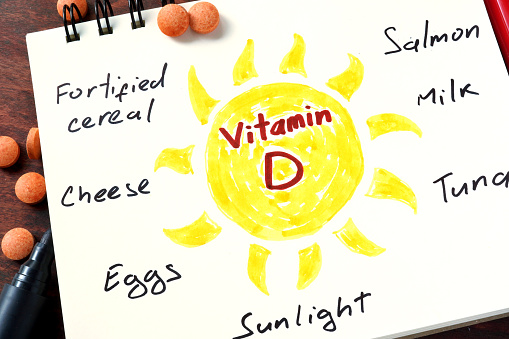
If you find yourself experiencing more severe or frequent headaches in the winter months, it may be due to a vitamin D deficiency, according to new research recently published in Scientific Reports. You are considered deficient in vitamin D when your serum vitamin D level drops below 50 nmol/l, and this correlates to chronic headaches ...click here to read more

Suffering a stroke can affect the way your brain processes visual information, and researchers from the University of East Anglia and the University of Glasgow have found that a simple, low-cost therapy may be able to improve the quality of life for stroke patients. The study approached the issue of visual neglect, which occurs when ...click here to read more

Research led by the University of Southern California is showing that air pollution may significantly increase the risk of developing dementia and Alzheimer’s disease, particularly in older women. The team of scientists and engineers discovered that older women who live in areas with air pollution that exceeds the U.S. Environmental Protection Agency’s standard have an ...click here to read more

New research from the Mayo Clinic has found that participating in mentally stimulating activities can help protect against the onset of mild cognitive impairment. The study, published in JAMA Neurology, showed that adults aged 70 and older who were cognitively normal decreased their risk of developing mild cognitive impairment—the step between normal cognitive aging and ...click here to read more
Five-Star Guarantee of Satisfaction