
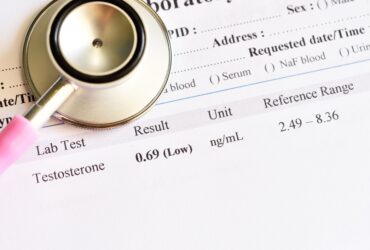
 A new study suggests that men with low testosterone (low-T) levels may be more likely to have more severe illness when they are infected with COVID-19.
Authors of the study also said that treating men who have low-T with testosterone therapy may reduce the risk for serious COVID illness.
Researchers analyzed cases of more than 700 men who tested positive for COVD before vaccines were available and found that men with low T who contracted the virus were more than 2.4 times more likely to require hospitalization than men with normal T levels.
They also found that men who had been successfully treated for low T before catching COVID did not have increased risk for hospitalization.
Low T is rather common condition and some experts suggest that a third of men over 30 have it. Previous research had indicated that men hospitalized with COVID has abnormally low levels of the hormone, but it was unknown whether low T was a risk factor for, or result, of infection.
To identify whether it was a risk factor or result, they needed to find out whether men with chronically low T – before illness or after recovery – were getting sicker than those with normal levels.
After looking at T levels in infected men and the severity of illness, they found that Low-T was an independent risk factor – much like diabetes or heart disease – for severe illness requiring hospitalization. Treating low T helped negate the risk.
The study author said that risk really takes off when testosterone levels in the blood are lower than 200 nanograms per deciliter. Normal T is in the 300 – 1,000 range,
Low testosterone can have a number of effects on men, including sexual dysfunction, depressed mood, irritability, difficulty with concentration and memory, fatigue, loss of muscular strength and reduced sense of well-being.
The study does not prove that low T is an independent risk factor, however it does make an association with COVID severity.
Testosterone levels can be increased with hormone replacement therapy, as well as certain lifestyle measures like diet, exercise, stress management, and weight loss.

 Did you know that warm weather can affect your sleep? As we all know, the weather has been warmer than usual lately, and the fall weather doesn’t seem to be coming any time soon.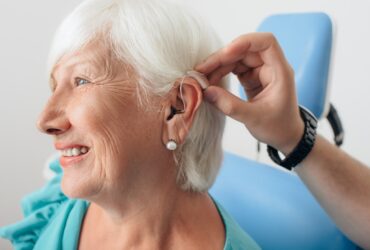
 If you’re having difficulty managing your blood sugar, it could mean that trouble hearing is on the horizon.
 A rather robust study released a few years ago found that the ideal time to take blood pressure medication was in the evening, before bed.
 Even if you have hypertension, making some changes to your diet may help reduce your risk of heart disease. According to a recent study, adults who closely followed a DASH-style diet were less likely to experience a cardiovascular event, such as a heart attack or stroke. So, if you’re looking for ways to lower your blood pressure and improve your heart health, consider adopting some of the principles of the DASH diet.
 Did you know that dancing has positive effects on depression? Studies have found that dancing can help improve mood, reduce stress and anxiety, and promote a positive self-image. So, if you’re feeling down, why not give dancing a try? There are plenty of different types of dances to choose from, so you’re sure to find one that suits you. And who knows – maybe you’ll even start to enjoy it!
 If you enjoy a cup of black tea to help you relax and soothe your spirit, a new study may have found an added benefit: a longer life.
 For many seniors, preventing a fall can add years to their lives. According to the Centers for Disease Control and Prevention (CDC), falls are the leading cause of injury for older adults in the United States. In fact, one out of every four Americans aged 65 or older falls each year. Falls can cause serious injuries like hip fractures and head trauma and can even lead to death. Fortunately, there are things that seniors can do to decrease their risk of falling.
 Chronic obstructive pulmonary disease, or COPD, is literally taking the breath away from millions of Americans – and not in a good way.


 The COVID-19 pandemic, monkeypox, climate change, political strife, and whole lot of other disasters can have people glued to the news.
 Air pollution is a global issue that affects everyone, but a new study has found that the risks of cardiovascular disease are greater in females than in males. The study examined the impacts of breathing diesel exhaust fumes and found that females suffered more health problems than males, including an increased risk of heart disease and death. This information is important for everyone to know, as it shows just how serious air pollution can be. We all need to do our part to help reduce air pollution levels around the world.
 A new research review is offering some news that may help curb your risk of catching or experiencing severe symptoms from COVID-19.
 If you know about healthy eating patterns, you’re likely familiar with the health benefits of the Mediterranean diet.