


Too Much Time in Front of the TV Could Harm Your Brain

Entertain meYou may have heard about some of the downsides of spending too much time with screens: limited activity, anxiety, and trouble sleeping.

Now a new study is linking time in front of a particular type of screen and dementia risk.

Researchers found that older adults who spend a lot of time watching TV were more likely to develop dementia. On the other hand, those who spent a lot of time in front of a computer saw the risk decline.

So it appears that when it comes to dementia risk, the type of screen you use may matter.

But it may also depend on how you use the screen.

Watching television is generally considered “passive,” meaning you’re not really thinking or participating while doing it. A computer, however, presents many opportunities for “active” engagement that require the mind to fire.

A person sitting in front of a computer screen may be working, reading, or participating in a game that requires them to use their mind and be actively engaged. If the computer is largely used as a substitute for TV – watching movies, etc. – the results may not differ from those found with TV use.

Researchers looked at data from 146,000 participants taking part in the UK Biobank project aged 60 and older. None had dementia at the outset. Every participant reported various lifestyle habits like television watching or computer use.

Over the next 12 years, just over 3,500 participants were diagnosed with dementia. After controlling for a host of factors, researchers found that the more TV watched, the higher the risk for dementia was. Each hour of TV per day was associated with a 24 percent higher risk.

On the other hand, each hour per day of computer use was associated with a 15 percent decline in dementia risk.

The study authors point out that the results do not mean that television causes dementia or that spending more time in front of a computer will protect your aging brain.

A growing body of research suggests that physical activity, a healthy diet, and mental activity may all contribute to a healthier brain. Instead of watching TV, think about going for a walk or doing some “active” sitting with a book, puzzle, or computer.
Practicing Yoga Have Significant Mental Health Benefits for Men

Group Of Mature Men And Women In Class At Outdoor Yoga RetreatNew information has found a link between mental health and men who practice yoga.

In our society, men often feel the need to be tough and emotionless. They are taught from a young age that expressing feelings is a sign of weakness. This can lead to bottling up emotions and struggling with mental health issues like depression and anxiety.

Thankfully, yoga can help men break free from this toxic masculine stereotype.

New research has found that practicing yoga may have significant mental health benefits for men, including reducing stress and anxiety levels, improving moods, and helping to manage emotions better. If you’re looking for a way to improve your mental health, consider giving yoga a try.

Yoga is a practice that combines breathing exercises, physical postures, and meditation. Unfortunately, there is a stigma around men practicing yoga, and studies show that men represent less than 20% of all participants. So, researchers from Deakin University decided they wanted to find out what was stopping more men from taking up yoga, given the mental and physical health benefits of regular yoga practice.

“In our study, we asked men who were engaged in a yoga practice, what mental health benefits, if any, they experienced as a result of their practice, but we also asked them what barriers they overcame when they considered taking up yoga,” said associate professor Melissa O’Shea.

It was found that men felt intimidated when attending classes, especially if they were the only males in the room. Many participants were young girls who already knew the basics of yoga and were flexible enough to accomplish many poses.

The study included 14 participants who attended men’s only classes. All reported they felt motivated by each other and were able to enjoy a sense of camaraderie while using yoga as a form of exercise. Participants said they felt yoga could be a form of physical activity they could maintain as they age. Yoga was also noted as having significant mental health benefits.

“This study tells us yoga can be an effective means for men to self-manage their mental health. Increasing the availability of men’s only yoga classes may be a great way of supporting men to step onto the mat for the first time,” said O’Shea.

Maintaining Mental Health

Stress can take a toll on brain function, affecting mental health, concentration, memory, and overall cognitive function. The Smart Pill can help counteract these effects through nine ingredients that help support, nourish, and maximize brain health and cognitive function. These include ginkgo biloba, huperzine A, bacopa extract, rosemary extract, and a B vitamin complex. This unique formula helps boost circulation, fight free radicals, and help to promote clear thinking.

It’s Never Too Late to Benefit from This

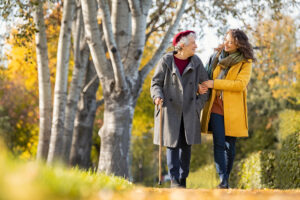
Granddaughter walking with senior woman in park wearing winter clothing. Old grandmother with walking cane walking with lovely caregiver girl in sunny day. Happy woman and smiling grandma walking in autumn park.A regular walking routine can help you live longer, even if you’re in your 80s and beyond.
New research suggests that walking for as little as 10 minutes per day can extend the lives of people 80-plus, reducing the risk of all causes of mortality.

As people get older, they are less likely to meet activity requirements. It may have to do with time, injury, or energy. However, it seems like a little walking may help remedy all of those issues.

Previous research has shown that activity can boost energy and help relieve joint pain, while it now suggests it can give people more time.

The new study, conducted in South Korea, looked at the link between walking and death risks from various causes among 7,000 people aged 85 and older.

It found that compared to inactive individuals, those who walked for at least one hour per week had a 40 percent lower risk of all-cause death and a 39 percent lower risk of death related to heart problems during the five-year study period.

Further, the link was there whether the participants performed any moderate or vigorous activity. Leisure strolls through the park, therefore, were linked with benefits.

This U.S. government suggests that all adults get 150 minutes of moderate or 75 minutes of vigorous activity per week. This new work, however, shows that even an hour of light activity can yield results for adults in their 80s and beyond.

If you’re in your 80s and want to live longer, and likely better, try including a short 10-minute walk into your daily routine. If you go longer, that’s great! But about an hour per week, divided between days, might be all you need.

65 Years Old with Low Physical Activity Are Associated with Future Cardiovascular Disease

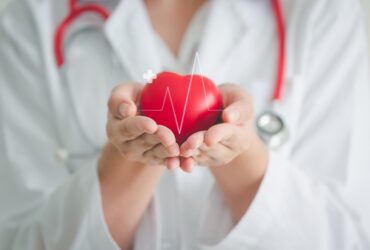
Female medical doctor holding red heart shape in hand with graphic of heart beat, cardiology and insurance conceptMore research shows how important physical activity is in the fight against cardiovascular disease. According to new research published in the Journal of the American Heart Association, people older than 65 who have reduced physical function may have a greater risk of developing heart attack, heart failure, and stroke.


Traditional cardiovascular disease risk faction, including high cholesterol, high blood pressure, smoking, and diabetes, have been closely linked to cardiovascular disease in middle-aged people. Still, they may not be predictive in older adults. This new study wanted to identify nontraditional predictors for older adults.

The study included participants from the Asclerosis Risk in Communities (ARIC) study, an ongoing community-based cohort that involved 15,792 participants, ages 45-64 years, from 1987-1989. Beginning in 2012, participants had yearly and semi-yearly check-ins, including phone calls and in-person clinic exams.

This study was aimed at examining physical function, which is different from physical fitness. Researchers used the Short Physical Performance Battery (SPPB) test, which measures performance such as walking speed, leg strength, and balance. The SPPB scores categorized participants’ physical activity into three groups: low, intermediate, and high.

Researchers found that compared to adults with high physical function scores, those with low physical function scores were 47% more likely to experience at least one cardiovascular event later in life. Those with intermediate physical function scores had a 25% higher risk of having at least one cardiovascular disease event as they got older.

These associations between physical function and cardiovascular disease remained even after controlling for traditional cardiovascular disease risk factors, including high blood pressure, high cholesterol, and diabetes.

“Our findings highlight the value of assessing the physical function level of older adults in clinical practice,” said lead author Xiao Hu, M.H.S. “In addition to heart health, older adults are at higher risk for falls and disability. The assessment of physical function may also inform the risk of these concerning conditions in older adults.”

Heart Health

As more research becomes available, it is easy to see that focusing on heart health throughout life is vital for living a long healthy life.

Heart Rescue was designed to help support and promote cardiovascular health using a variety of ingredients, including omega-3 fatty acids, CoQ10. The omega-3 fatty acids play an essential role in cardiovascular function, while CoQ10 is involved in energy production at the cellular level.

These two heart superstars are supported by 5 other ingredients and can help to promote and support cardiovascular function as you age. This formula’s health benefits can help strengthen the heart muscle, support circulation, and help reduce the risk of heart disease.

What Happens To Your Body When You’re Sedentary

Neck pain, osteochondrosis. Young african woman freelacer student rubbing stretching her neck after sedentary lifestyle, working at office on laptop, feeling tiredActivity, activity, activity. It may be like it’s all you hear sometimes.


There’s a good reason why that advice dominates: it has a lot of benefits, including lower risk for a host of chronic conditions like high blood pressure and diabetes. It can also help with mobility.

It’s biggest benefit can be that it offers the opposite of sedentary behavior, which means spending a lot of time sitting and not moving.

Sedentary living dominates much of western culture. Many people have desk jobs, drive to work, then sit in front of the television before heading to bed. Getting together with friends often involves going to the movies or heading for a coffee or a meal.

People sit a lot.

Bad things start happening when you sit too much and don’t get enough activity. Muscles can atrophy, which means you’re weaker and more susceptible to falls, injuries, and immobility. Independence can take a major hit.

It also impacts your heart health. Sitting can weaken your heart and limit its efficiency in moving oxygenated blood around your body. Further, sitting can promote blood pooling, poor circulation, and rigid arteries.

Too much inactivity and sitting can also lead to snacking and weight gain, exacerbated by the fact that limited movement can impact glucose metabolism and lead to higher blood sugar. This boosts the risk of diabetes and heart disease.

If you’re not motivated to move more by the benefits of activity, perhaps the risks of sitting too much will offer some inspiration to lead a more active life.

Scheduling exercise into your day, at least 30 minutes, can help negate some of the risks of sedentary living. Easy ways to implement movement into your day include parking further away from entrances, taking the stairs, or walking to errands and social engagements.

Frequent Night Shifts Increase Risk of Cardiovascular Disease and Diabetes among People with High Blood Pressure

Shot of a handsome young businessman using a digital tablet while working late in his officeNew research has found that people with high blood pressure who work night shifts have a higher risk of cardiovascular disease and diabetes. According to the Journal of the American Heart Association study, the risk is even higher among people who slept too much or too little when not working.


This new research adds to mounting evidence which suggests an association between shift work and a higher risk for high blood pressure (hypertension), type 2 diabetes, and cardiovascular disease in people who are otherwise healthy. This new study, however, is the first to investigate the role of shift work in the progression from high blood pressure to additional cardiometabolic multimorbidity such as diabetes, coronary heart disease, or stroke.

“Since shift work is increasingly common and hypertension is a leading risk factor for cardiometabolic multimorbidity, it is crucial to clarify the association between shift work and cardiometabolic multimorbidity risks,” said the study’s senior author Dr. Yongping Bai.

For the study, researchers analyzed employment and health data for 36,939 people who were enrolled in the UK Biobank, a large biomedical database of people living in the United Kingdom. Participants were 40 to 69 years old and were followed for an average of 12 years.

Those with high blood pressure who worked night shifts were at a 16% higher risk of developing diabetes, stroke, or heart disease than those working normal daytime hours. Among those participants, those who worked an average of one-to-10-night shifts per month over a lifetime had a 14% higher risk of developing an additional cardiometabolic condition. The risk was even higher for participants who worked more than 10-night shifts per month, at 19%.

Participants sleep quality and habits were also monitored, and it was found that the risk of developing additional cardiometabolic conditions was even higher if night shift workers slept less or more than seven to eight hours a day.

The circadian rhythm is an important part of human physiology, regulating when we are awake and feel the need to sleep. This internal clock is sensitive to light and dark, with brightness acting as a cue to wakefulness and darkness, signaling the body that it is time to rest.

In general, people are designed to be awake during the day and asleep at night, although there can be some variation based on individual preferences and schedules. The circadian rhythm is an important part of maintaining a healthy sleep schedule, and disruptions to this natural rhythm can lead to problems with sleep. People who work night shifts or have other irregular schedules may find it more difficult to get enough restful sleep, leading to fatigue and other health problems.

Based on the study’s outcomes, researchers stress the importance of healthy sleep habits to help reduce the additional risks of shift work. The Centers for Disease Control and Prevention recommends maintaining a consistent sleep schedule; sleeping in an environment that is dark, quiet and at a comfortable temperature; removing electronic devices from the bedroom; avoiding large meals, caffeine and alcohol before bedtime; and getting regular physical activity to maximize the chances of getting sufficient, quality sleep.

Future research will focus on whether shift work affects cardiometabolic risks differently based on race, ethnicity, or gender. This focus will be aimed at those who are at higher risk already for cardiovascular diseases, such as black adults, who have disproportionately high rates of high blood pressure.

Support and Promote Cardiovascular Function

Even those who are not shifting workers should take steps through life to ensure healthy cardiovascular function. Heart Rescue was designed to help support and promote cardiovascular health using a variety of ingredients, including omega-3 fatty acids, and CoQ10. The omega-3 fatty acids play an important role in cardiovascular function, while CoQ10 is involved in energy production at the cellular level. These two heart superstars are supported by 5 other ingredients that can help to promote and support cardiovascular function as you age. This formula’s health benefits can help strengthen the heart muscle, support circulation, and help reduce the risk of heart disease.

By maintaining healthy blood pressure, you can help to reduce the risk of cardiovascular disease and help support overall heart health. Healthy Blood Pressure Support has been shown in human clinical studies to help support healthy blood pressure making it an excellent choice for those looking to reduce their risk of hypertension. In addition, Healthy Blood Pressure Support also supports healthy cholesterol levels and cardiovascular health.

Your Feelings about Aging Could Impact Health

Female models of different ages celebrating their natural bodies in a studio. Four confident and happy women smiling cheerfully while wearing white shirts against a white background.Is it true that age could all just really be a state of mind?
Maybe not the number, but how you reach those numbers could be.

A growing body of research suggests that a person’s mindset – how they feel about growing older – may predict how much longer and how well they live as the years go up.

Several studies over the past couple of decades suggest that people with more positive attitudes about aging live longer and healthier lives than those with negative perceptions about the aging process.

A recent nationwide study of nearly 14,000 adults over 50 looked at how positive thinking about aging could impact physical health and psychological well-being.

The study, published in JAMA Network Open, found that those with the highest satisfaction with aging had a 43 percent lower risk of dying from any cause during a four-year follow-up than those with the lowest.

People with higher satisfaction also had a lower risk for chronic conditions like diabetes, stroke, and heart disease and better cognitive functioning.

Those with a more positive attitude about growing older were also more likely to engage in frequent physical activity and less likely to have sleeping troubles compared to their less satisfied peers. They also had a greater sense of purpose, were less likely to be depressed, and were more optimistic.

If you don’t feel great about the reality of aging, you can change your mindset to embrace it and potentially enjoy the benefits. Here are some ways to do that.

Maintain a sense of purpose: Finding projects that align with your value can provide purpose. If it’s family, maybe helping out with grandkids. If you’re passionate about the environment or conservation, find projects that contribute to the health of the earth. Volunteer work for a cause you believe in can be great at providing purpose.

Recognizing negative messages about aging and rejecting them: Research suggests that negative stereotypes about aging are internalized over a lifespan and can harm physical and mental health.

If you believe that poor physical health is inevitable with age, you may not think there is any point in staying active. Exercise, however, can lower the risk of a host of chronic conditions associated with age. Healthy behaviors offer support at any age.

Stay socially active: Age can bring the loss of spouses, family, and friends, and can lead to some feelings of isolation. Isolation can have negative impacts on mental health. Reaching out to people, joining groups, and replacing lost people with new ones can all help you stay social.

Try something new: Doing new things or learning new things can also help. You’re never too old to try something new!

Moderate or Vigorous Physical Activity Associated with Lower Risk of Heart Failure

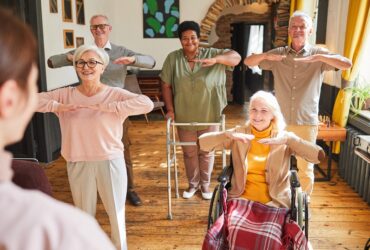
Diverse group of smiling senior people enjoying morning exercises in retirement home, copy spaceIf you’re like most adults, you know that regular physical activity is important for your overall health, but you may not know that it can also help reduce your risk of heart failure. A new study has found that moderate physical activity levels are associated with a lower risk of heart failure, even in those who are obese or have chronic kidney disease. Researchers say the findings underscore the importance of staying active, regardless of your health status. So, if you’re not currently active, now is an excellent time to start!
The study published in Circulation is one of the first to use objectively measured activity levels to estimate heart failure risk. Researchers have verified that the results are consistent with previous studies that found performing 150-300 minutes of moderate exercise or 75-150 minutes of vigorous exercise each week may reduce the incidence of heart attack and stroke.

Heart failure is a chronic, progressive condition that can develop when the heart cannot pump sufficient blood to keep up with the body’s needs for blood and oxygen. This can lead to fatigue and difficulty breathing and can be fatal if not treated.

Heart failure affects more than 6 million adults in the United States, but the most common cause of heart failure is coronary heart disease, which occurs when the arteries that supply blood to the heart muscle become blocked. Other causes include high blood pressure, heart valve disease, and heart rhythm disorders.

Treatment for heart failure typically includes lifestyle changes, such as quitting smoking and eating a healthy diet, and medications to help improve heart function and reduce fluid buildup. The American Heart Association recommends that adults should engage in at least 150 minutes per week of moderate-intensity or 75 minutes per week of vigorous-intensity aerobic physical activity.

“There are many potential ways that regular physical activity may reduce the risk of developing heart failure,” said Frederick K. Ho, Ph.D., co-lead author of the study. “For example, physical activity helps prevent weight gain and related cardiometabolic conditions, such as high blood pressure and Type 2 diabetes, all of which are risk factors for heart failure. Regular physical exercise may also strengthen the heart muscle, which, in turn, may prevent heart failure from developing.”

Researchers recommend that going above and beyond the current AHA recommendations for moderate activity could help provide an even greater risk against heart failure. “We found that moderate physical activity has the potential increased cardiovascular risk benefits up until 500 minutes/week, as appropriate for each individual,” said Dr. Ho.

Those who are most at risk for heart failure tend to have a BMI that meets the criteria for overweight or obese. They may also have high blood pressure and elevated glucose or cholesterol. However, this study helps to show that these same people may be particularly likely to benefit from increasing their physical activity.

Maintaining Heart Health

Keeping the heart strong and healthy is vital for enjoying a high quality of life as you age. Heart Rescue was designed to help support and promote cardiovascular health using a variety of ingredients, including omega-3 fatty acids, CoQ10, magnesium, and hawthorn extract. This formula’s health benefits can help strengthen the heart muscle, support circulation, and help reduce the risk of heart disease.

This Trick May Ease Your Pain Significantly Faster

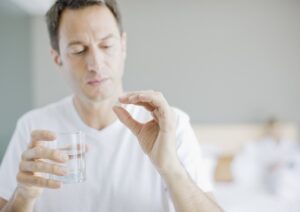
If you’re trying to relieve pain in a hurry, you may take a couple of over-the-counter pills or some prescription medication. If you do, you might want to try something new.


I’m not saying don’t take the pill. The new thing to try could be to lie down while taking it, and more specifically, lying down on your right side.

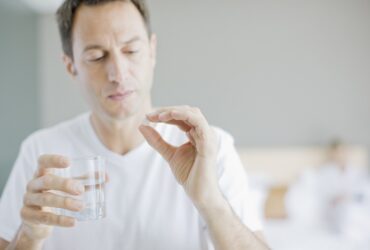
Researchers looking at the way body position can impact pill absorption found that when a person was lying on their right side, the pills got to the deepest part of the stomach faster, allowing them to dissolve more than twice as fast as if they were standing up.

Most people never think about their body position when taking a pill, and the results even shocked the study’s author.

Researchers knew that most pills don’t start working until the stomach ejects its contents into the intestine. This could mean that a pill landing in the deepest part of the stomach, called the antrum, would begin dissolving faster and emptying its contents more quickly.

To get the pill there, however, a posture that uses gravity and the natural asymmetry of the stomach can help.

Hence lying on your right side.

Just how big of a difference can it make?

A pill that dissolves in 10 minutes when lying on your right side could take 23 minutes to dissolve if you’re standing upright or more than 100 minutes if you’re lying on your left side. Laying on your back would take about as much time as standing.

Interestingly, researchers also found that posture’s impact on pill absorption and dissolution was equivalent to a person with poor stomach conditions, meaning their gut doesn’t function properly.

So, if you need fast relief or fast action, take about 20 minutes to lie on your right side after taking a pill. It may make a huge difference in how quickly you’ll feel better.

Low Physical Activity Increases Risk Of Death Even With Strong Genes Of Longevity

Asian woman eating takeaway noodles and watching TV while sitting on couch and having dinner in evening at homeAs adults, we are constantly bombarded with messages that we need more physical activity. It seems like everywhere we turn, there is another study telling us that being inactive is bad for our health. And now, a new study has found that low physical activity increases the risk of death, even in people who have strong longevity genes.
So, what does this mean for us? Should we all start running marathons? Probably not. But it is important to be aware of how much activity we need and to try to make time for some form of exercise every day. Even something as simple as a brisk walk can make a big difference.

Much previous research has shown how low physical activity and greater time spent sitting are associated with a higher risk of death. So, this information is nothing new. However, with this new study, researchers are questioning if this outcome changes if a person is genetically predisposed.

“The goal of this research was to understand whether associations between physical activity and sedentary time with death varied based on different levels of genetic predisposition for longevity,” said lead author Alexander Posis, M.P.H.

The study was part of the Women’s Health Initiative Objective Physical Activity and Cardiovascular Health Study (OPACH), which measured the physical activity of 5,446 women in the United States who were 63 and older. All participants were followed through 2020 to determine mortality. To measure physical activity and sedentary time, all participants wore a research-grade accelerometer for up to seven days.

The study found that participants who had higher levels of physical activity and moderate-to-vigorous physical activity had a lower risk of death. Higher sedentary time was associated with a higher risk of mortality. Among participants who were genetically predisposed to longevity, the associations were consistent.

Keeping the Body Healthy

These findings help show that longer time spent engaging in physical activity of any intensity can reduce the risk of disease and premature death, even in people who are predisposed to longevity. However, physical activity is just one piece of the puzzle when it comes to keeping excellent overall general health. Diet is also vital for helping keep the body strong and healthy, including heart health and brain function.

To help ensure your diet is complete, 65+ Superfood Essentials is an excellent addition to a daily supplement regime. This breakthrough formula is a great way to support and promote cardiovascular and overall health. It contains Capros®, a patented and clinically studied Indian gooseberry extract that has been found to absorb free radicals and provide cascading antioxidants. Acai berry (the powerful natural antioxidant known to support total health) and resveratrol, a premier anti-aging ingredient, are also found in this formulation that can help ensure proper nutrients and vitamins that are essential as you age.

Is Anxiety the Cause of Effect of Your Racing Heart?

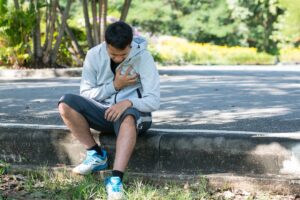
Asian sportsman with chest pain sat down after running in the park the injury of exercise conceptAn anxiety attack can make you feel like the world is closing in around you.
It can have physical symptoms like a faster heart rate, sweating, breathlessness, light-headedness, and chest pain.

Of course, heart troubles can also elicit these responses. In some cases, the only difference between a heart issue and a panic attack or anxiety can be feelings of impending doom or a total loss of control.

One heart condition, in particular, can easily be confused with panic attacks and is often misdiagnosed as one, too. Supraventricular tachycardia, or SVT, has the classic symptoms of a panic attack, like a racing heart, breathlessness, dizziness, or light-headedness.

SVT occurs when faulty electrical signals in the heart override its natural pacemaker to trigger a series of fast heartbeats. During an SVT episode, heart rates can jump to as high as 250 beats per minute; a normal heart rate is between 60 and 100 beats per minute.

When this happens, the heart’s lower pumping chambers (ventricles) don’t have time to fill completely between beats. The brain and body may get less blood than normal, which can lead to light-headedness and dizziness.

So, how can you tell if you’re experiencing an anxiety attack or SVT? The only difference may be that a bout of SVT won’t leave you feeling like you’ve totally lost control and that doom is on the way.

The problem is that most doctors will diagnose SVT as anxiety or panic attacks because they are so similar. But if you don’t feel anxiety, you may want to ask about the potential of SVT.

Unfortunately, the most common way to accurately diagnose the condition would involve wearing a portable EKG machine for up to a month. You would press a button when your heart rate goes up to activate the recording.

So sometimes, your anxiety could be caused by an underlying heart condition. Talk to your doctor if you believe your symptoms are related to your heart instead of your head.

Go Take a Walk after You Eat to Manage Blood Sugar

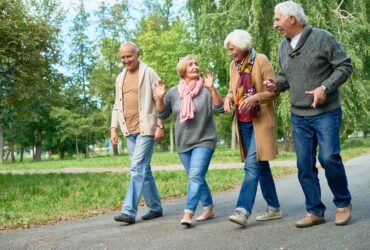
Smiling senior friends wearing knitted sweaters and cardigans walking along park alley and chatting animatedly with each other, picturesque view on backgroundGlucose – or sugar – is your body’s preferred source of energy. When you move, your body uses up the glucose in your blood as fuel.


It’s why going for a walk after a meal makes a lot of sense if you’re looking to keep blood sugar under control and avoid the spikes that can arise after eating. Too many of these glucose “excursions” can boost the risk for high blood sugar and type-2 diabetes.

Your muscles suck up the sugar in your blood to fuel your movement. Every time they contract, they’re tapping into that energy.

Research from 2009 suggested that taking a 20-minute walk at a light pace could regulate blood sugar metabolism and reduce the risk for type-2 diabetes. Now new work is showing that significantly less movement can be effective.

A study recently published in Sports Medicine found that as little as two to five minutes, or even standing, right after eating could smooth post-meal blood spikes and lower the risk for type-2 diabetes.

Light exercise can help reduce the development of insulin resistance and subsequently type-2 diabetes and cardiovascular disease.

Everybody can benefit by reducing the post-meal glucose spike, whether you have diabetes or not. Limiting the post-meal glucose spike can lead to fewer cravings later, less hunger between meals, lower inflammation, and other benefits.

So after you eat, do yourself a favor and go for a walk. If you have time for a light 20-minute stroll around the neighborhood, that’s great. If not, walk around your home for a couple of minutes, or even just stand and wash some dishes – all of that can offer some benefit.

Aiming for 150 minutes of activity per week can help even more, but timing your exercise after meals can help if you can’t commit to more.

Common Sleep Disorders Like Insomnia and Obstructive Sleep Apnea Can Lead To Death

Young sleepy woman yawning in bed at night, she can't sleepNew research finds disturbing evidence that common sleep disorders such as insomnia and obstructive sleep apnea may lead to a higher risk of death. Compared to those who do not have sleep problems, those with a sleep disorder were found to have more all-cause mortality.
The authors of the study hope it will highlight the importance of self-reported symptoms and risk factors. They urge people to understand the tools that can allow for faster and easier assessment in populations where sleep studies are not readily accessible such as remote or rural locations.

“While it is important that at some point in a patient’s management they do take part in an overnight sleep study to confirm their diagnosis and determine best treatment options, the reliability of self-reported symptoms could see more patients diagnosed with COMISA and sooner,” said study lead author Dr. Alexander Sweetman.

Obstructive sleep apnea (OSA) and insomnia are two of the most common sleep disorders which occur in 10 – 30% of the general population. However, in many patients, the conditions can occur at the same time, which is called co-morbid insomnia and sleep apnea (COMISA).

Previous studies have shown that almost 50% of people with OSA have clinically significant insomnia and 30 – 40% of people with chronic insomnia have OSA. Both conditions are independently associated with reduced quality of life and high healthcare use.

However, this study also outlines how when combined, the conditions may lead to an increased risk of mental health issues, less productivity, greater cases of cardiovascular disease, and even death. It is vital that people take steps to ensure they get quality sleep to help with overall health.

Maintaining Sleep Quality

Sleep Sure Plus is designed to help promote optimal sleep and restfulness through a variety of ingredients. One of the most important ingredients included in this unique formula is melatonin.

Melatonin is a hormone that is essential for the regulation of the circadian rhythm (the internal clock of the body). Sleep Sure Plus also contains valerian, one of the best natural ingredients for promoting rest and relaxation. These two essential ingredients are joined by another 6, which all work together to provide a better quality of sleep.

Sleep Deprivation Affects Social Interactions, Making People Less Generous: Study

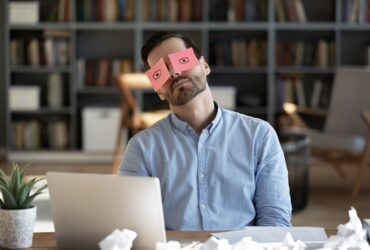
Exhausted tired businessman with painted eyes on stickers, adhesive notes on face sleeping at workplace, sitting at desk with laptop, unproductive lazy young male dozing, working on difficult projectDid you know that sleep deprivation can lead to reduced interactions with others? A recent study found that sleep deprivation makes people less generous and social. This is likely because when we’re tired, our cognitive abilities are diminished, making it harder for us to process information and engage in social activities.

So, if you’re feeling a little lonely, try getting more sleep. It could help make you feel more connected to the world around you.

Lack of sleep has previously been associated with an increased risk of cardiovascular disease, diabetes, depression, hypertension, and overall mortality. However, this new research finds that sleep deprivation also impairs basic conscience leading to social withdrawal and an unwillingness to help other people.

The study from UC Berkeley adds to mounting evidence demonstrating sleep loss harms an individual’s physical and mental well-being and compromises the social bonds between people. One portion of the study found that charitable giving in the week after the beginning of Daylight Savings Time dropped by 10%. During this time, most states “spring forward” and lose an hour of sleep.

“Over the past 20 years, we have discovered a very intimate link between our sleep health and our mental health. Indeed, we’ve not been able to discover a single major psychiatric condition in which sleep is normal,” said study co-author Matthew Walker. “But this new work demonstrates that a lack of sleep not only damages an individual’s health, but degrades social interactions between individuals and degrades the very fabric of human society itself. How we operate as a social species — and we are a social species — seems profoundly dependent on how much sleep we are getting.”

Researchers believe this study sheds light on our societal state of affairs in the present day. With sleep deprivation and stress levels at an all-time high, it could be adding to loneliness in society.

Overall, sleep deprivation has been found to affect everything from heart health to loneliness, so it is vital to take steps to ensure a good night’s sleep. A few lifestyle changes could help if you are suffering from sleep problems. These include turning off all electronic devices a couple of hours before bedtime, cutting off all caffeine after 2 PM, and ensuring your room is dark and cool.

Increasing Sleep Quality and Brain Health

Sleep Sure Plus is designed to help promote optimal sleep and restfulness through a variety of ingredients. One of the most important ingredients included in this unique formula is melatonin. Melatonin is a hormone essential for regulating the circadian rhythm (the internal clock of the body). Sleep Sure Plus also contains valerian, one of the best natural ingredients for promoting rest and relaxation. These two essential ingredients are joined by another 6, which all work together to provide a better quality of sleep.

Stress can take a toll on brain function, affecting concentration, memory, and overall cognitive function. The Smart Pill can help counteract these effects through nine ingredients that help support, nourish, and maximize brain health and cognitive function. These include ginkgo biloba, huperzine A, bacopa extract, rosemary extract, and a B vitamin complex. This unique formula helps boost circulation, fight free radicals, and help to promote clear thinking.

Five-Star Guarantee of Satisfaction