
 Emily Lunardo studied medical sociology at York University with a strong focus on the social determinants of health and mental illness. She is a registered Zumba instructor, as well as a Canfit Pro trainer, who teaches fitness classes on a weekly basis. Emily practices healthy habits in her own life as well as helps others with their own personal health goals. Emily joined Bel Marra Health as a health writer in 2013.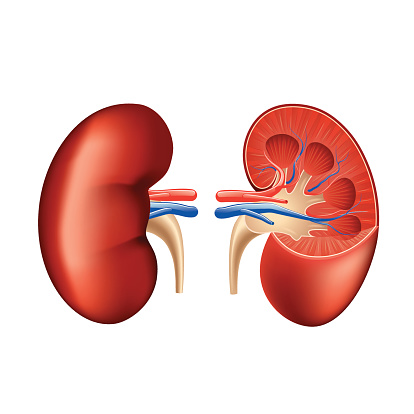
Kidney damage treatment could reverse fibrosis
Researchers from the University of Texas have uncovered a potential new therapy to help treat kidney fibrosis, which leads to damage on the kidneys. The embryonic cellular process is called epithelial-to-mesenchymal transition (EMT). “Our work shows that damaged kidney cells respond by undergoing EMT to protect themselves from further damage but in the process, develop ...click here to read more