Devon Andre -Dec 5,2024
Dec 5,2024

Advertisement
Advertisement

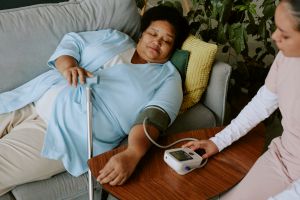
Systolic blood pressure levels over 140 mm Hg increase the risk of coronary heart disease in chronic kidney disease patients. For the study, the researchers looked at the association between blood pressure and other clinical outcomes in over 300,000 chronic kidney disease (CKD) patients. The study revealed that systolic blood pressure over 140 mm Hg ...click here to read more
Heart attack and diabetes risk increases with the failure to safely store excess fat in the body. Overeating and lack of physical activity are well-known contributors to weight gain and the obesity epidemic. Obesity is linked to a higher risk of a heart attack and type 2 diabetes brought on by the body’s progressive resistance ...click here to read more
First heart attack or stroke risk is decreased in patients using cholesterol-lowering drugs known as statins. Statins were effective at reducing the risk of death, heart attack, and stroke among people with various risk factors. The benefits of statins were greatest for people facing the highest risk of heart attacks and stroke. Even still, those ...click here to read more

Coronary heart disease risk increases by 24 percent with high intake of saturated fats. Foods rich in saturated fat include butter, red meat, lard, and palm oil. The researchers suggest that replacing saturated fat with unsaturated fat could help lower the risk of coronary heart disease. Senior author Qi Sun explained, “Our findings strongly corroborate ...click here to read more
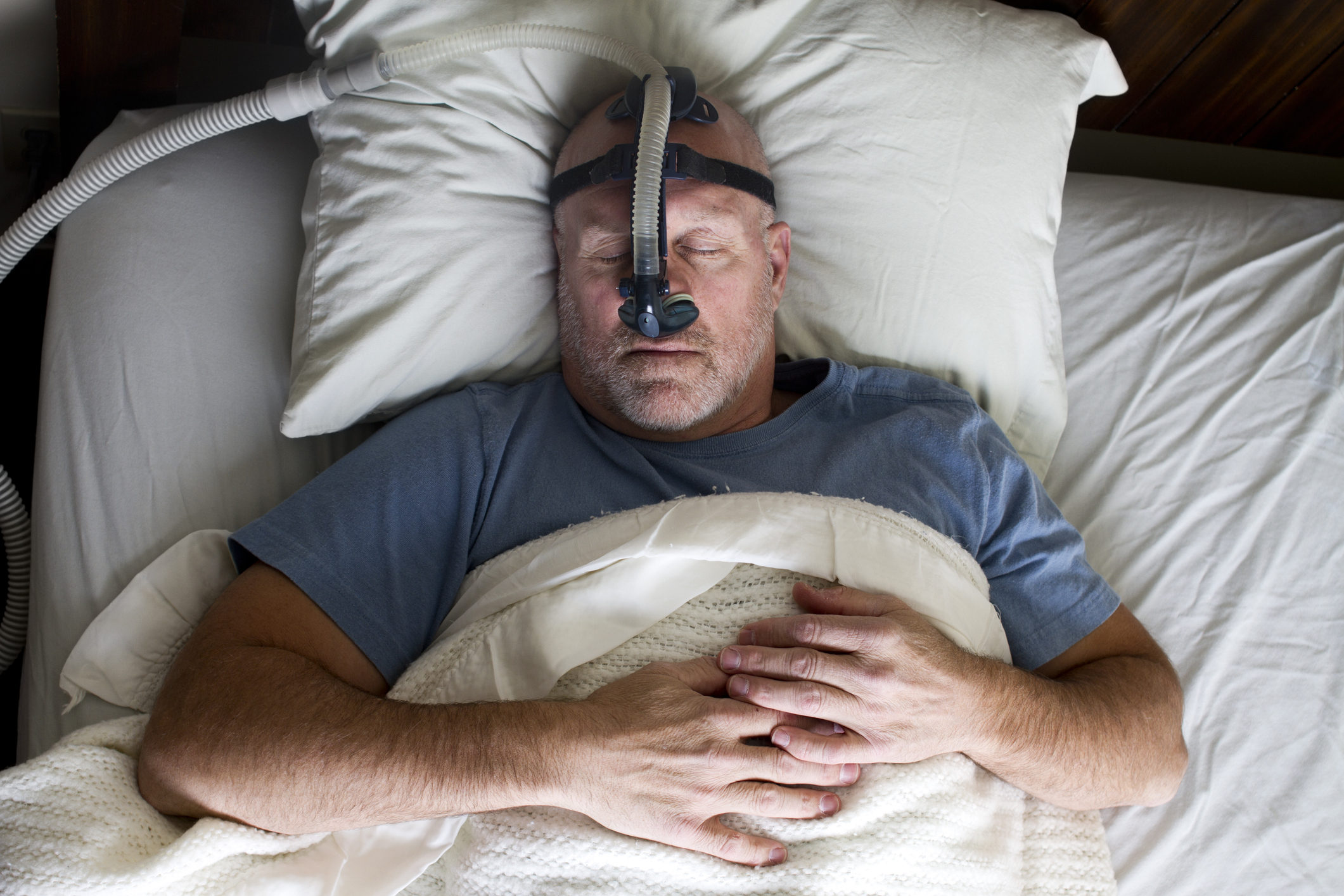
Sleep apnea has an immediate impact on blood pressure regulation and deteriorate the circulatory system. The study found six hours of fluctuating oxygen levels associated with sleep apnea can deteriorate a person’s circulatory system. Researcher Glen Foster explained, “While it is well established that sleep apnea is linked to high blood pressure, our study shows ...click here to read more
Advertisement

High resting heart rate and blood pressure is associated with many mental health disorders. The study, published in JAMA Psychiatry, looked at data from over a million Swedish men. Heart rate and blood pressure are regulated by the autonomic nervous system which controls the body’s basic functions. Using blood pressure and heart rate measurements, the ...click here to read more
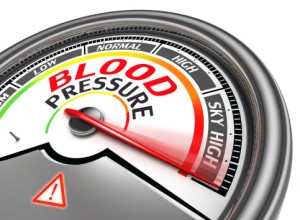
High blood pressure may impair cognitive function, increasing the risk of Alzheimer’s disease. There is consistent evidence that chronic high blood pressure can impair cognitive function, affecting memory, thinking abilities, speed of processing, and executive function. According to the expert panel, the contradicting research on the link between high blood pressure and cognitive function points ...click here to read more
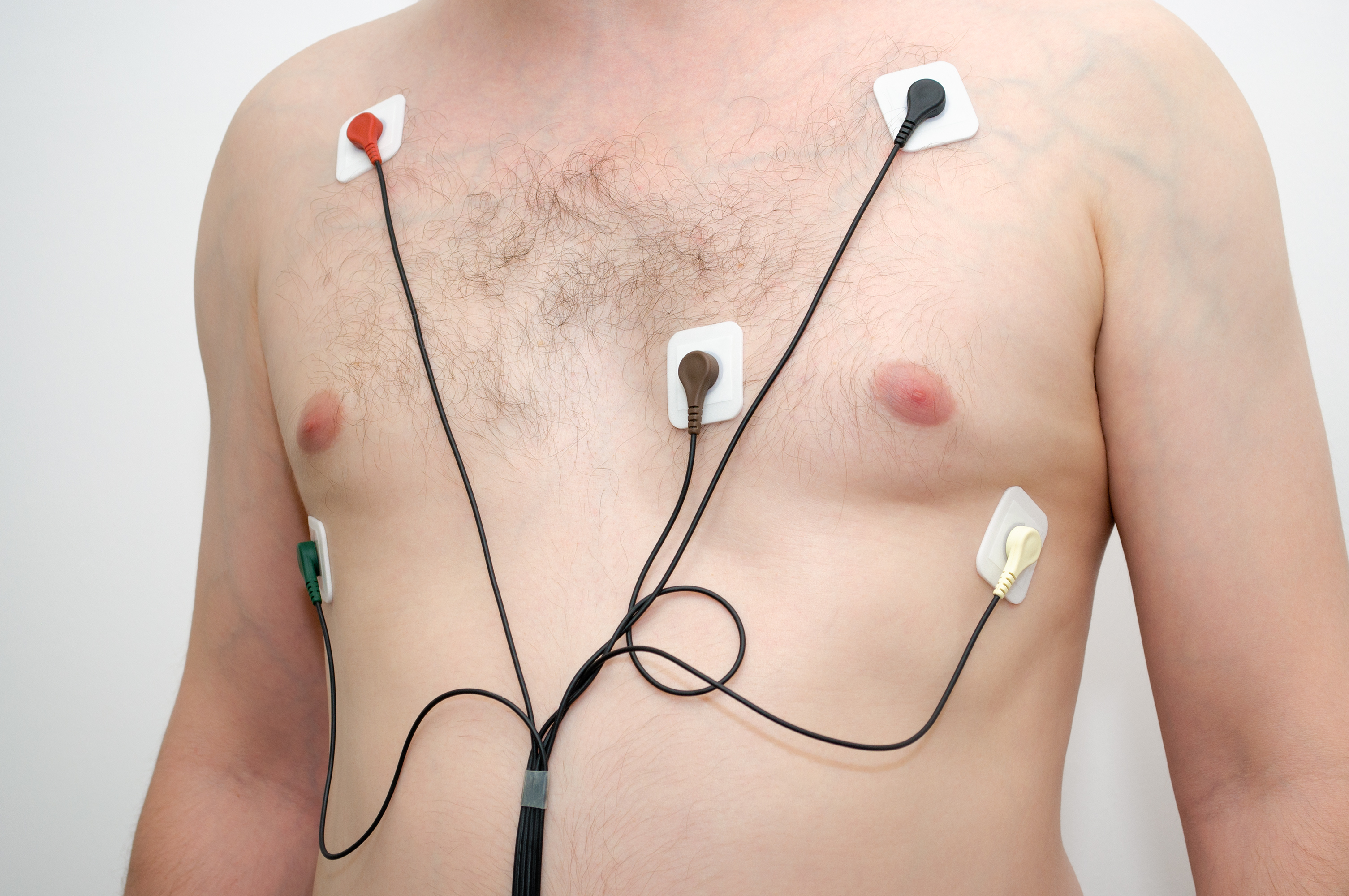
Tachycardia is an abnormally fast resting heart rate. A normal resting heart rate is between 60 and 100 beats per minute, which means anything over 100 is considered tachycardia. Heart rate threshold is often determined by a person’s age. The older we get, the less the heart pumps depending on what the body can handle. ...click here to read more

The risk of stroke and heart problems is reduced with an optimistic attitude in older adults. The study found that a predominantly pessimistic outlook on life raises one’s risk of death from heart disease. The study involved nearly 3,000 participants tracked for 11 years. The researchers found that the most pessimistic participants were twice as ...click here to read more

High blood pressure affects nearly 75 million Americans and is a known risk factor for stroke and heart disease. About one in three Americans has prehypertension, which means their blood pressure readings are higher than normal and puts them at risk for hypertension. The American Heart Association has put together blood pressure recommendations to help ...click here to read more

Immediate sudden cardiac arrest treatment is key to preventing death when unexpected loss of heart function occurs. There are specific guidelines when treating those who have sudden cardiac arrest, as well as tips to prevent the risk of such a devastating heart episode. Sudden cardiac arrest is often confused with heart attack, but let’s be ...click here to read more

Regulating VLDL cholesterol levels can help prevent heart disease and fatty liver disease. For proper liver function, VLDL cholesterol must be in perfect balance, not too high or too low. In his research, Dr. Shadab Siddiqi set on to find an easier way to regulate VLDL. Dr. Siddiqi uncovered a protein known as Small Valosin-Containing ...click here to read more

Cardiac rehabilitation takes place after a person experiences a heart attack or heart surgery. It is a personalized outpatient program designed to improve the patient’s heart health and reduce their risk of future heart-related complications. Cardiac rehab consists of several phases, such as monitored exercise, nutritional counseling, emotional support, education on lifestyle habits. Cardiac rehabilitation ...click here to read more
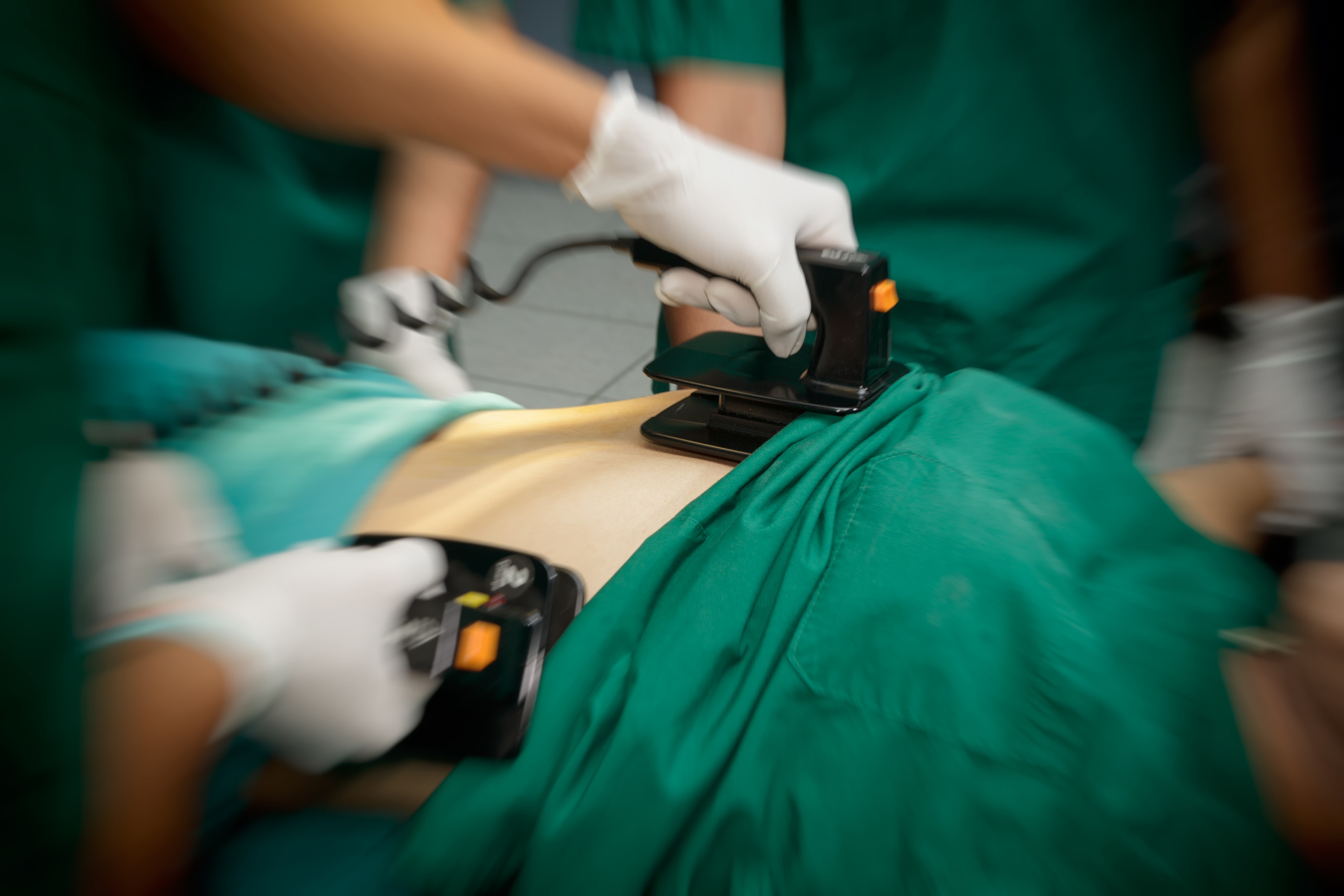
Ventricular fibrillation is a heart rhythm problem characterized by rapid and erratic electrical impulses. As a result, the heart’s ventricles (pumping chambers) quiver in vain instead of pumping blood. Ventricular fibrillation can be brought on by a heart attack and can cause a severe drop in blood pressure, reducing the blood flow to vital organs ...click here to read more
Five-Star Guarantee of Satisfaction