 Mohan Garikiparithi got his degree in medicine from Osmania University (University of Health Sciences). He practiced clinical medicine for over a decade before he shifted his focus to the field of health communications. During his active practice he served as the head of the Dept. of Microbiology in a diagnostic centre in India. On a three-year communications program in Germany, Mohan developed a keen interest in German Medicine (Homoeopathy), and other alternative systems of medicine. He now advocates treating different medical conditions without the use of traditional drugs. An ardent squash player, Mohan believes in the importance of fitness and wellness.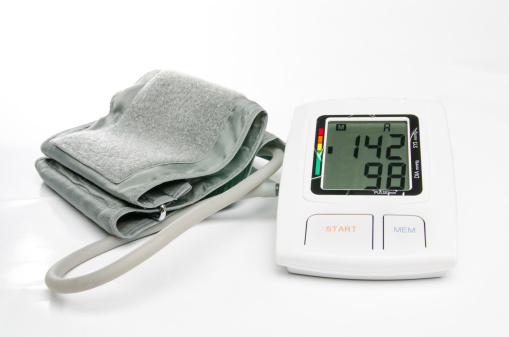
Blood pressure control linked with repeat hemorrhagic strokes
Blood pressure control is crucial in individuals who have survived intracerebral hemorrhaging as it could put them at higher risk for a repeat hemorrhagic stroke, this according to new findings. Researchers tracked the outcomes of 1,145 patients who experienced intracerebral hemorrhage. These patients survived a minimum of 90 days and were followed-up with after 37 ...click here to read more