Devon Andre -Dec 5,2024
Dec 5,2024

Advertisement
Advertisement

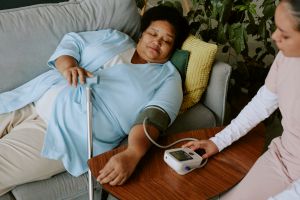
Blood pressure and exercise endurance in elderly patients with heart failure with a preserved ejection fraction (HFPEF) can be improved with a daily dose of beetroot juice. Characteristics of HFPEF are shortness of breath and fatigue during normal levels of exertion – also known as exercise intolerance. This occurs due to a reduction in oxygen ...click here to read more
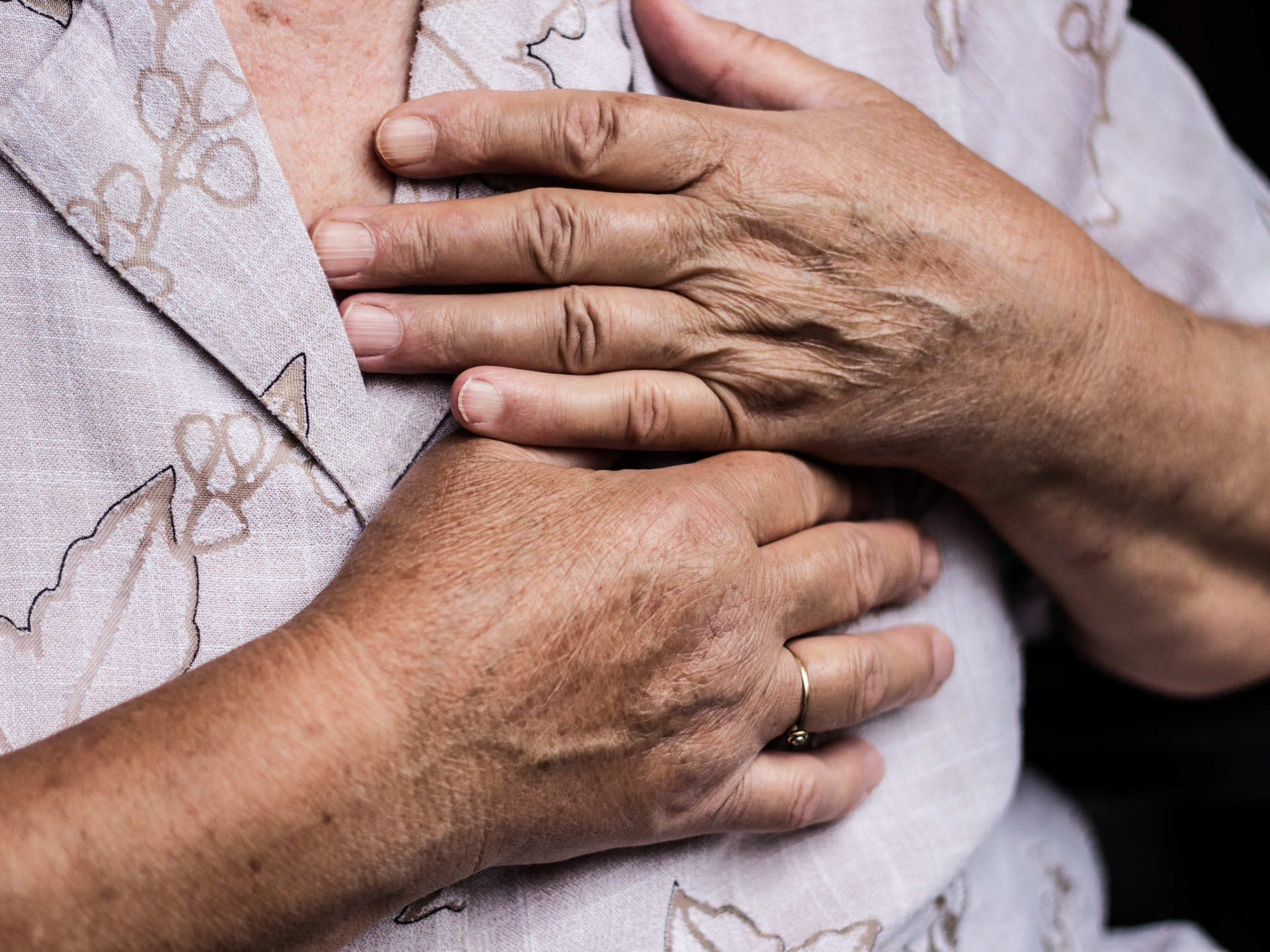
Angina in the elderly is quite a common occurrence. It is characterized by tightness in the chest and chest pain as a result of reduced blood flow to the heart. Angina is not a disease on its own, but rather a symptom of coronary artery disease. Patients may experience tightness, pain, squeezing, pressure, or heaviness ...click here to read more

Stroke rehabilitation often involves exercises to improve post-stroke recovery. This is because many motor skills can become affected after a stroke depending on the area of the brain is affected. For example, patients may need to redevelop their ability to walk or even use their hands. Stroke rehabilitation is often conducted alongside a physiotherapist who ...click here to read more

Heart attack patients from a low socioeconomic background fare much worse when it comes to recovery. This is particularly true among poor women and younger individuals. Senior author of the study Dr. Erica Spatz explained, “Our study emphasizes that patients need us to think about their social needs, not just their clinical symptoms. We have ...click here to read more
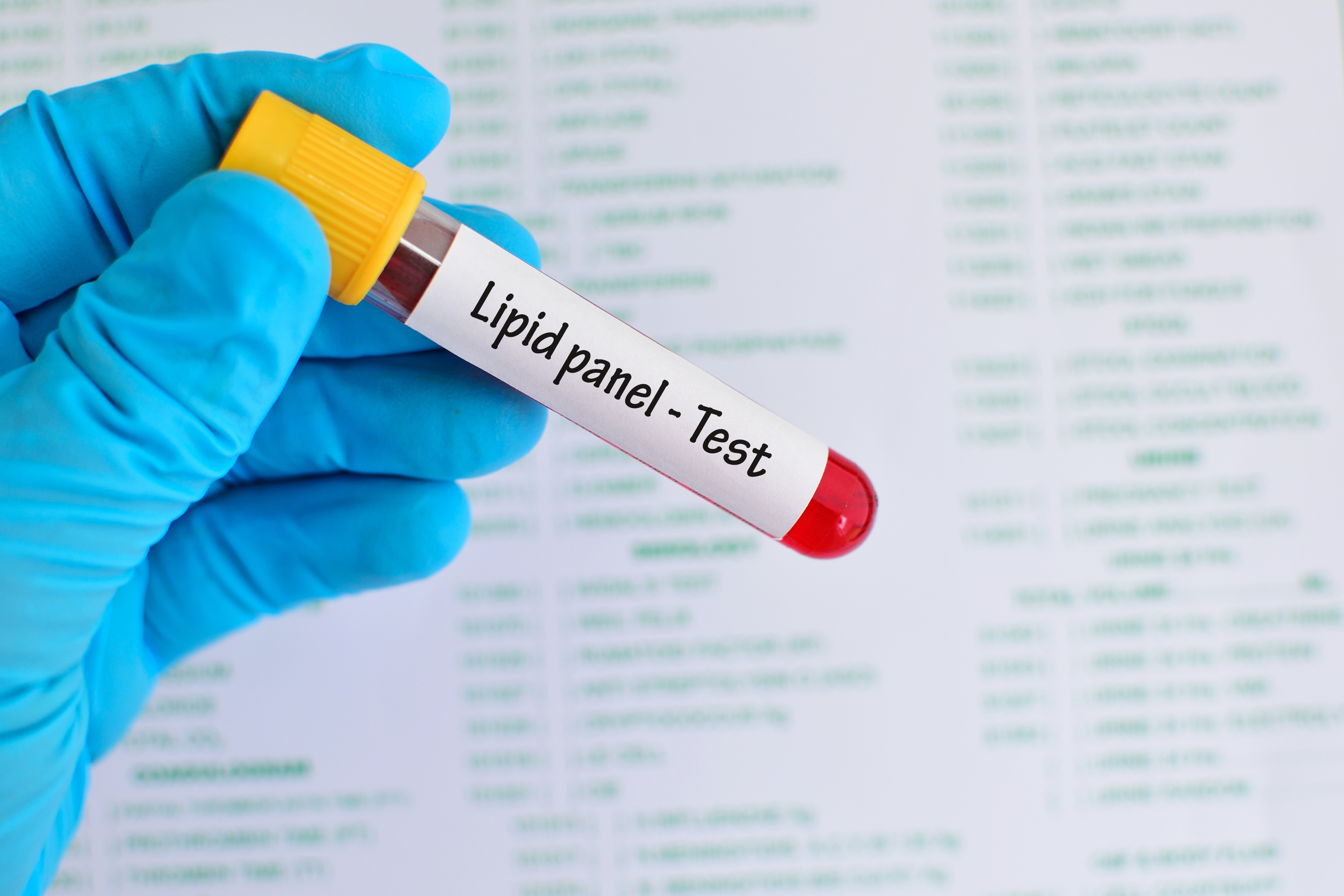
You may have heard about LDL cholesterol, but do you know what VLDL cholesterol is? It refers to very-low-density lipoprotein and is primarily filled with triglycerides. LDL cholesterol is often referred to as the “bad” cholesterol as it contributes to various heart-related problems. Well, VLDL is no different and it, too, can raise your risk ...click here to read more
Advertisement
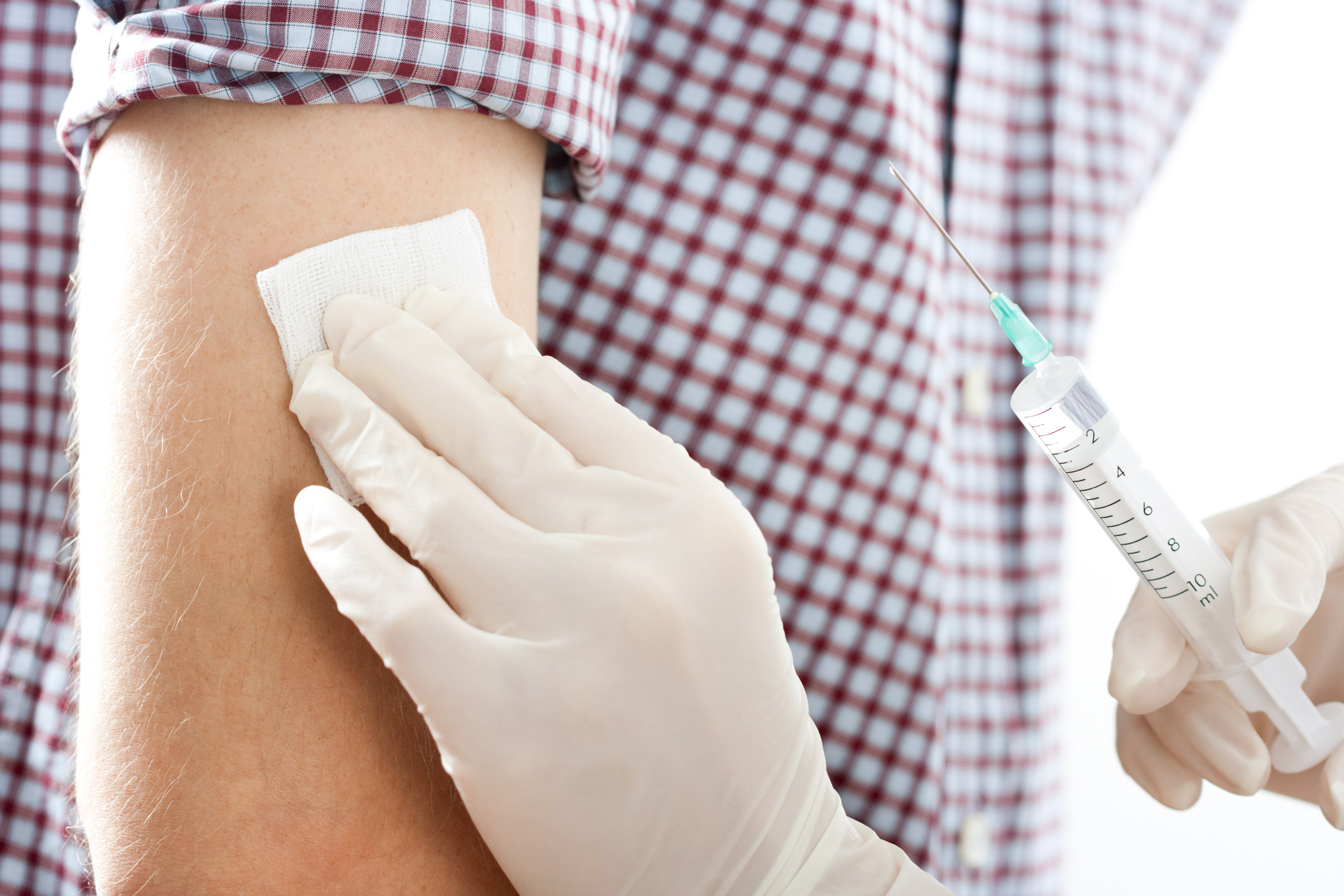
Heart attack, stroke, and heart failure hospitalization risk may be reduced with flu vaccine in type 2 diabetics. Dr. Eszter Vamos and coauthors wrote, “In this large population-based study, influenza vaccination in people with type 2 diabetes was associated with reductions in rates of hospital admission for acute cardiovascular and respiratory diseases, and in all-cause ...click here to read more

After a stroke, complications can arise including paralysis, difficulty talking, memory loss, and changes in blood pressure. These post-stroke complications can impact a person’s daily living and overall quality of life. The type of complications experienced after stroke are determined by the part of the brain affected during the stroke as well as the severity ...click here to read more
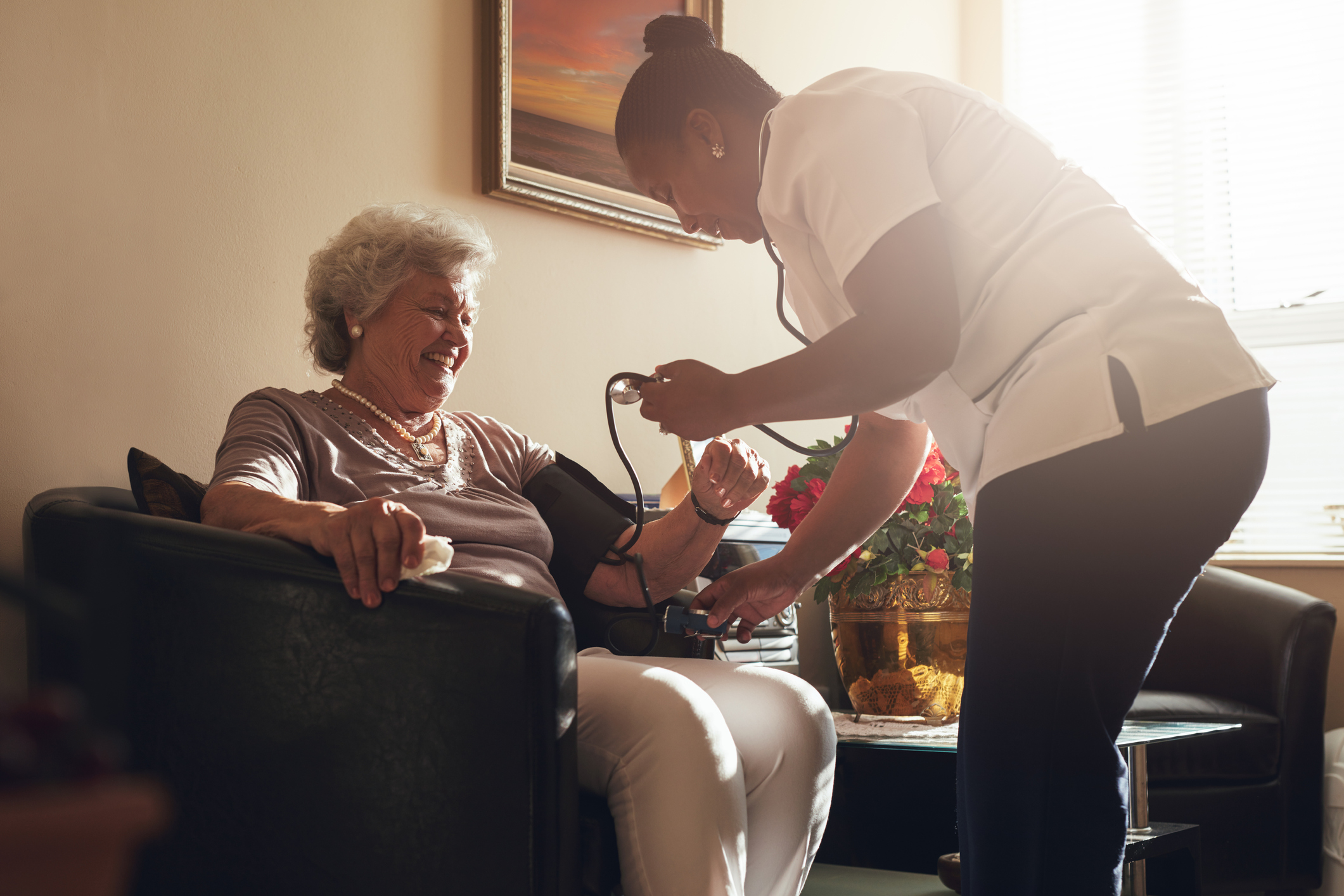
There are many reasons for fluctuating blood pressure, from the foods we eat to serious health conditions. Understanding your fluctuating blood pressure can help you protect your heart and lower your risk of any cardiovascular events. There is an ongoing debate on what is considered healthy or normal blood pressure, but the general consensus is ...click here to read more
Orthostatic hypotension is associated with a 40 percent increase in atrial fibrillation. Orthostatic hypotension refers to a drop in blood pressure when a person changes positions, for example, when getting up from a chair. This dip in blood pressure can result in temporary dizziness or lightheadedness. Researchers uncovered the link between orthostatic hypotension and atrial fibrillation ...click here to read more

Lowering blood pressure can be as easy as completing deep breathing exercises. A common cause for elevated or high blood pressure is stress, so deep breathing exercises can help reduce stress and, consequentially, your blood pressure. Having high blood pressure can be dangerous as it causes damage to your arteries and heart. Over time, chronic ...click here to read more

Recommended blood pressure targets for diabetics may raise stroke and heart attack complications. The Swedish National Board of Health and Welfare recently raised the recommended blood pressure readings for patients with diabetics from 130 mm Hg to 140 mm Hg. The revision is based on the premise that high blood pressure is not the only ...click here to read more
Left arm pain or shoulder pain can be a common symptom of an impending heart attack. A heart attack occurs when the blood flow to the heart is blocked as a result of plaque buildup along the arteries. When blood flow is interrupted, part of the heart muscle can get damaged and, depending on severity, ...click here to read more
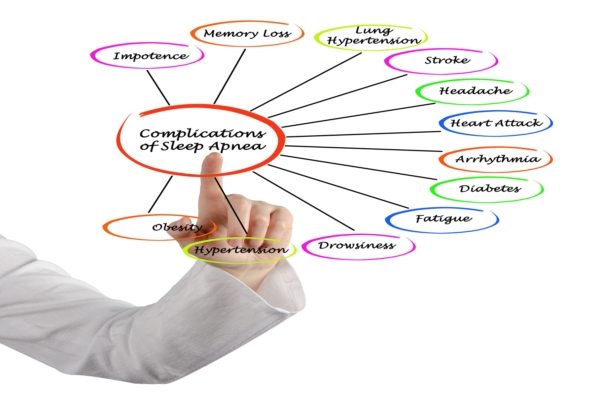
In heart failure patients, novel implantable device may treat central sleep apnea. The implanted device is similar to a pacemaker and treats sleep apnea specifically in heart failure patients. Lead author Professor William T. Abraham said, “The remede® system is the first fully implantable device to treat central sleep apnea in heart failure patients. Unlike ...click here to read more

Coronary heart disease and stroke risk may increase with skipping breakfast regularly. The study looked at breakfast consumption in men and found that those who routinely skipped on the most important meal of the day had a higher risk of heart attack and coronary heart disease. The researchers looked at food frequency questionnaires and tracked ...click here to read more
Five-Star Guarantee of Satisfaction