Devon Andre -Dec 9,2024
Dec 9,2024

Advertisement
Advertisement

According to a new study, gum disease could be an indicator of dementia. Published in the online edition of Neurology, the study looked at the association between irreversible gum disease that can cause tooth loss and mild cognitive impairment. Researchers looked at patient’s dental health over 20 years and found that those with the most ...click here to read more

There’s a lot of stress these days. Fear over COVID-19, loneliness, job loss, or the loss of a loved one can make things extremely overwhelming. When the stress hits, it’s time for some self-care. Taking time for yourself every day can help keep stress levels down and make you feel calmer and better. Small five-minute ...click here to read more

Within the United States, there are at least five million people currently living with age-related dementia. As the population increases, these numbers are expected to rise. Therefore, it is imperative for researchers to analyze biomarkers that could indicate a cognitive decline. A new study from UC San Francisco has identified how some seniors’ sense of ...click here to read more

Dementia is a scary condition. Alzheimer’s prevention strategies are not well understood, and as the leading type of dementia, it is an increasing cause for concern. According to the Alzheimer’s association, it already affects five million Americans over 65. That number is expected to triple by 2050. So, if Alzheimer’s isn’t a pressing concern now, ...click here to read more

Exercise may be the key to reducing the risk of sleep apnea, according to a new study published in the Journal of Clinical Sleep Medicine. The study found that increased physical activity is associated with a lower risk of obstructed sleep apnea, a common sleep-related breathing disorder. In the most extensive study to date, researchers ...click here to read more
Advertisement

Regardless of who you are, these are stressful times. Threats always exist, but the pandemic and continued evidence of police brutality can make the simplest trip seem like a significant risk. If you’ve got high blood sugar or diabetes, the risk is even greater. Extra stress can make it very difficult to keep blood sugar ...click here to read more

Delirium, also known as the acute confusional state, is a decline in mental functioning that develops over a short time, typically hours to days. It is a syndrome that encompasses disturbances in attention, consciousness, and cognition. The study published in the journal JAMA Neurology conducted a systemic review and analysis of 24 observational studies to ...click here to read more

So much attention gets paid to how long you should sleep. Rarely, however, do we examine the importance of sleep quality. But the truth is if you’re sleeping seven hours a day, or even feel like you are but aren’t, you could be at risk for health trouble. Quality sleep is what you want. Your ...click here to read more

The world’s first study of long-term impacts caused by a ladder fall has found a deterioration in psychological well-being in patients for at least six months after the incident. Many people don’t realize the overall impact of a fall, but this study helps to outline the mental stress it can take. Among the aging population, ...click here to read more

A healthy diet does much more than help you stay slim. Eating well helps your brain and body stay healthy and slows down the aging process. The protective elements of food should come as no surprise. The links between what you eat and your health keep getting stronger, and new research has highlighted four foods ...click here to read more

Many people experience sleep problems after heart bypass surgery, but new research shows how exercise could be the solution. Researchers from the European Society of Cardiology (ESC) investigated the effect of exercise on both sleep and functional capacity, where they concluded that aerobic exercise is beneficial for getting a good night’s sleep. “Many patients have ...click here to read more

Obesity can cause a multitude of health issues, and a new study now shows how it can affect the risk of dementia. Researchers from the University College London have found that those who are obese in middle age may have an increased risk of cognitive decline, including dementia. Leading the most extensive study of its ...click here to read more

Many people tend to burn the candle at both ends during the week and try to catch up on sleep during the weekends. However, according to a new study from the Hotel Dieu Center of Sleep and Vigilance at the Public Assistance Hospital of Paris, they will still find themselves feeling sleepy come Monday morning. ...click here to read more
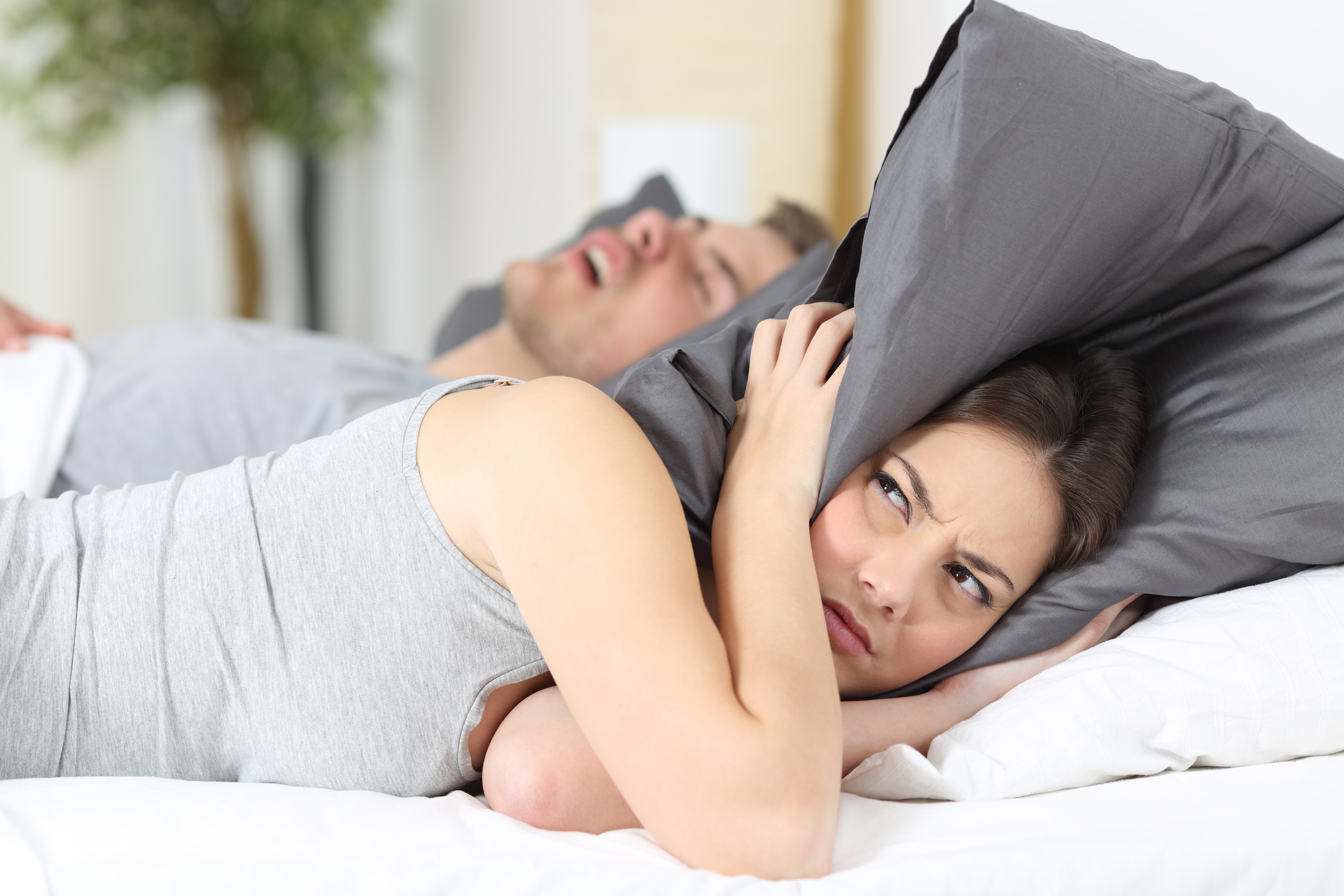
Are you groggy and tired even though you think you’ve had a good sleep? If that’s the case, you may have sleep apnea. Sleep apnea is a common sleep-related breathing problem. It leaves sufferers unconsciously gasping for air during sleep, making it nearly impossible to achieve quality sleep. The condition is associated with high blood ...click here to read more
Five-Star Guarantee of Satisfaction