

 Recent studies have revealed that long COVID breathlessness and disturbed sleep may be inextricably linked, with research suggesting the two conditions are intertwined even in those who have recovered from their initial infection.
In this blog post, we’ll delve into how disrupted sleep can exacerbate long-term COVID symptoms and offer tips on how to find relief.
A new study published in The Lancet Respiratory Medicine analyzed patients in 38 institutions across the UK who were taking part in the PHOSP-COVID study between March 2020 and October 2021. They discovered that 62% of participants admitted to the hospital for COVID-19 had sleep disruptions that were likely to persist for at least 12 months. This is what led researchers to the association between two post-COVID symptoms: sleep disruption and breathlessness.
Sleep quality was assessed through self-reporting in 638 subjects. It was also measured objectively in another 729 patients who wore devices similar to smartwatches that measured night-time activity levels.
It was recorded that, on average, participants who had been hospitalized with COVID-19 slept for over an hour longer, but their sleep patterns were less regular. These participants were also found to be likely to have anxiety and muscle weakness, both of which are post-COVID-19 symptoms.
After looking at statistical analysis, it was found that sleep disruption was likely to drive breathlessness. However, increased anxiety and reduced muscle function could partially mediate the association between sleep disturbance and breathlessness.
Researchers believe the cause of breathlessness is complex since it can arise from conditions that affect the respiratory, neurological, cardiovascular, and mental health systems. These same systems are also affected by sleep disturbances.
Professor Chris Brightling said, “Future research should now assess whether interventions targeting sleep disturbance can improve not only sleep quality but also breathlessness through reducing anxiety and improving muscle strength.”
Researchers hope this study can be used to help bring interventions targeting poor sleep quality to help manage symptoms following COVID-19 hospitalization. Since the pandemic, there has been an increased need for treatment options for those with long-term COVID symptoms to help improve patient outcomes.
The Importance of Sleep
Sleep is essential for maintaining good health, not just in people with long-term COVID symptoms but for everyone. However, many people tend to overlook its importance. Lack of sleep can impact both physical and mental health in numerous ways.
For instance, individuals who do not get sufficient sleep may be at risk of developing obesity, diabetes, cardiovascular disease, and high blood pressure. Sleep deprivation can also weaken the immune system, making individuals more susceptible to catching illnesses.
Moreover, lack of sleep can cause mood swings, irritability, memory problems, and difficulty concentrating. Clearly, adequate sleep is crucial for maintaining overall health and well-being, and it should be prioritized, just like good nutrition and exercise.
Promoting Optimal Sleep
Sleep Sure Plus is designed to help promote optimal sleep and restfulness through a variety of ingredients. One of the most important ingredients included in this unique formula is melatonin. Melatonin is a hormone essential for regulating the circadian rhythm (the internal clock of the body). Sleep Sure Plus also contains valerian, one of the best natural ingredients for promoting rest and relaxation. These two essential ingredients are joined by another 6, which all work together to provide a better quality of sleep.

 Anxiety is a normal reaction to stress. Sometimes people get nervous or uncomfortable.
 Lowering blood pressure can be beneficial in more ways than one, and recent research has revealed yet another important reason to watch our diet and stay active: mental health.
 If you’ve ever experienced pain, burning, or other discomforts while urinating, you’ve had dysuria. It’s a condition that’s more common in women than men, and when men get it, they tend to be older rather than younger.
 Yoga is undoubtedly a popular practice worldwide and can offer many benefits. But can it make older adults stronger?
 Everybody’s taken a fall or two over the course of their lives. Unfortunately, the older you get, the more severe the consequences can be.
 According to new research, it appears that adhering to a set of heart health metrics may hold the key to living a longer life. In fact, people who strongly adhere to these metrics may live close to a decade longer than those who do not follow them. While this may sound daunting and difficult to achieve, the metrics themselves are relatively simple and straightforward. They include factors such as maintaining a healthy weight, avoiding smoking, and managing blood pressure and cholesterol levels. By following these guidelines, individuals can hopefully increase their chances of living a long and healthy life.
 You know the position you like to fall asleep in every night, but do you know which ones might set you up for a better tomorrow?
 Recent evidence has highlighted that healthy dietary choices can significantly impact Age-Related Macular Degeneration (AMD) risk and progression. AMD is one of the most common causes of vision loss in people aged 50 years and over – so it’s important to keep an eye on both your diet and lifestyle if you want to keep seeing clearly as you grow older.
 Loneliness is a weird thing: you can feel lonely when you don’t have anyone to talk to, but you can also feel alone when people surround you, even family and friends.
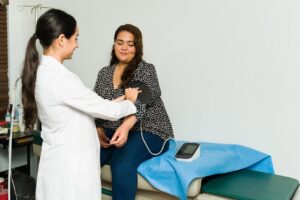 High blood pressure is a condition that affects millions of people worldwide, and recent studies have shown that it can have a long-term impact on brain health. While it’s normal for blood pressure to rise with age, research suggests that high blood pressure in your 30s can have serious consequences in later life. In fact, it found that men with high blood pressure in their 30s are more likely to experience a decline in cognitive function as they age, putting them at a higher risk for dementia. This evidence reinforces the importance of managing blood pressure earlier to minimize its negative impact on brain health later in life.
 Are you feeling tired these days? If you are, please don’t chalk it up to aging or some other reason, especially if your doctor says you’re good to go.
 If you or a loved one has ever been diagnosed with a condition like Alzheimer’s disease or another form of dementia, then you know just how impactful it can be on your life.
 You may have heard of the gut-brain axis and how the microbial makeup in your gut can influence thinking and energy.