

Try These Natural Remedies for an Upset Stomach

African American Woman in painful expression holding hands against belly suffering menstrual period pain, lying sad on home bed, having tummy cramp in female health conceptAn upset stomach can hit for several reasons. Stress, too much food, or a slice of bad store-bought tiramisu can trigger stomach troubles. And that’s just scratching the surface.

Most of the time, thankfully, the cause of an upset stomach and its symptoms, like pain, nausea, or diarrhea, are not serious and will pass relatively quickly. Sometimes it may last less than an hour; in others, it could be a couple of days.

Several natural remedies could help you get over the discomfort even faster. Here are a few of them.

Bitters and soda: Bottoms up! Many people swear by bitters mixed into tonic water, club soda, or ginger ale to help quell an upset stomach. Five or six drops of a bitter containing an herb like cinnamon, fennel, mint, or ginger may be best.

Ginger: Ginger is an herb that has earned the reputation of being a cure-all. When it comes to stomach trouble, there is research to indicate it can help with certain types. You may get the benefits of this natural anti-inflammatory from supplements, ginger chews, tea, ginger ale, ginger beer, or fresh ginger drink.
Chamomile tea: A relaxing cup of hot chamomile tea may help ease the pain of indigestion by offering some anti-inflammatory relief. The anti-inflammatory properties of chamomile can help stomach muscles relax, helping relieve the pain of spasms and cramps.

BRAT diet: The bland diet of bananas, rice, applesauce, and toast can help when you have nausea and diarrhea. This low-fiber, high-binding foods don’t contain anything that will aggravate symptoms. It is good to use it when you’re feeling sick.

Peppermint: Menthol can be a helpful pain reliever that may offer relief from stomach pain. You can try a cup of peppermint tea, suck a minty candy, or chew mint leaves.

Apple cider vinegar: If you can stomach it, a tablespoon of this stuff may help neutralize an upset stomach. If you can’t, mix it with a cup of water and a teaspoon of honey.

The acids in apple cider vinegar may help decrease starch digestion to help keep the gut healthy. Some people even take it daily as a preventative measure.

People with Sleep Problems May Have High Risk of Stroke: Study

young man unable to sleep during night at bedroom - concept of suffering from insomnia, thoughtful and problems.Many people don’t realize that sleep problems can be extremely serious, including causing a high risk of stroke.


Recent research indicates that a person’s sleep patterns could have implications for their long-term health. Poor quality or quantity of sleep can wreak havoc on your physical health and mental well-being, and it’s now linked to an increased risk of strokes.

In this blog post, we will explore the various findings about how inadequate sleep is associated with high risks for stroke, including some potential treatments and preventative strategies to help manage this potentially life-threatening condition.

Getting a good night’s sleep is essential for health and well-being. However, it’s not always easy to achieve. A variety of sleep problems can affect our ability to get quality rest, including getting too much or too little sleep, taking long naps, snoring, snorting, and sleep apnea. These issues can significantly impact our daily lives, leaving us feeling exhausted, irritable, and less productive. According to a new study, it can also raise the risk of stroke.

The international study included 4,496 people, half of which had suffered a stroke. The average age of all participants was 62. Each was asked about their sleep behaviors, including how many hours of sleep they got, sleep quality, napping, snoring, snorting, and breathing problems during sleep.

Researchers found that participants who slept for too many or too few hours were likelier to have a stroke than those who slept for an appropriate amount of hours. A total of 162 of those who had a stroke got less than five hours of sleep, compared to 43 of those who did not have a stroke. And 151 of those who had a stroke got more than nine hours of sleep a night, compared to 84 of those who did not have a stroke.

Participants who got less than five hours of sleep were three times more likely to have a stroke than those who got seven hours of sleep on average. However, it wasn’t just those who were lacking in sleep that was affected. Researchers also found that participants who got more than nine hours of sleep were twice as likely to have a stroke.

Breathing problems such as snoring, snorting, and sleep apnea were also assessed during the study. Those who snored were 91% more likely to have a stroke than those who did not. People who snorted in their sleep were nearly three times more likely to have a stroke than those who did not. Participants with sleep apnea were nearly three times more likely to have a stroke than those who did not have the condition.
The results remained the same after adjusting for other factors that could affect stroke risks, such as smoking, physical activity, depression, and alcohol consumption.

“With these results, doctors could have earlier conversations with people who are having sleep problems,” study author Christine Mc Carthy, MB, BCh, BAO said. “Interventions to improve sleep may also reduce the risk of stroke and should be the subject of future research.”

Promoting Optimal Sleep

Getting a good night’s sleep can be a challenge for many individuals who struggle with insomnia or disruptions to their sleep cycle. However, implementing a few simple tips can make achieving a restful night’s sleep easier. For starters, turning off all electronic devices a few hours before bedtime can help to reduce stimulation and promote relaxation.

Additionally, limiting caffeine consumption and engaging in calming activities like yoga can also work wonders for better sleep. Getting enough sun exposure during the day can also help regulate our body’s natural circadian rhythm, making it easier to fall asleep at night.

Sleep Sure Plus can also help promote optimal sleep and restfulness through a variety of ingredients. One of the most important ingredients included in this unique formula is melatonin. Melatonin is a hormone essential for regulating the circadian rhythm (the body’s internal clock). Sleep Sure Plus also contains valerian, one of the best natural ingredients for promoting rest and relaxation. These two essential ingredients are joined by another 6, which all work together to provide a better quality of sleep.

By incorporating these small changes into your routine, you can set yourself up for a more restful and rejuvenating night’s sleep and help protect your heart health and brain function.

Social Anxiety: What Is It and What Can You Do About It?

Upset girl ghosted by boyfriend, waiting for him alone in coffeeshop, frustrated female rejected by admirer or lover, wasting time for cancelled date, sad outcast jealous of happy friends in cafe,Have you ever been nervous heading in for your first day of work or before a party? If so, you’re certainly not alone.


You’re also not alone if you’re one of the 15 million American adults who have social anxiety.

While it may be normal to have the occasional butterfly in your stomach before certain social situations, it’s a disorder if it happens all the time and limits your ability to live a full life or function around others.

Social anxiety can be debilitating and interfere with simple, day-to-day activities like going to work, attending social gatherings, or even heading out to the store for errands. It is an intense fear of being judged, negatively evaluated, or rejected in a social or performance situation.

A fear of coming off as dumb or awkward can intensify anxious feelings and lead to avoiding social situations altogether.
Avoiding social situations can easily lead to missed opportunities, experiences, or relationships, poor performance at work, poor social skills, low self-esteem, social isolation, depression, or worse.

The symptoms of social anxiety include:
• Persistent, intense fear or anxiety about specific social situations because you believe you’ll be negatively judged, embarrassed, or humiliated
• Avoidance of anxiety-producing social situations or enduring them with intense fear or anxiety
• Excessive anxiety that is disproportionate to the situation
• Anxiety or distress that interferes with daily living
• Physical symptoms like racing heart, sweating, trembling, twitching, and dry mouth can also appear

Social anxiety, however, is a treatable condition. Psychotherapy – talk therapy – with a psychologist can help. Cognitive behavioral therapy also appears to have a high adherence and success rate.

Exposure therapy is another form of treatment. With it, a patient is exposed to one or more anxiety-producing social situations in a controlled environment. The goal is to teach coping strategies instead of avoidance.

If you feel overly anxious anytime you have to go out, and it’s limiting your lifestyle, speak to a doctor about treatment options.

Excessive Salt Diet Linked With Clogged Arteries: Study

A man with a cheerful face pours an excess of salt on his burger in a restaurant. Risk of cardiovascular diseases and addiction conceptIt’s widely known that a diet high in salt leads to high blood pressure and other negative health effects, but a new study recently published in the European Heart Journal Open suggests an excessive salt diet may also lead to clogged arteries (atherosclerosis).


This makes it even more important for adults to watch their sodium intake. The findings from this long-term observation are eye-opening and further emphasize the importance of following a balanced healthy lifestyle regimen without sacrificing flavor.

Atherosclerosis may not be a well-known term, but it is a condition that impacts countless individuals worldwide. It occurs when plaque builds up on the inner walls of arteries, causing them to narrow and harden, which could lead to serious medical complications like heart attack and stroke. Plaque buildup is often a result of unhealthy lifestyle habits, like eating high-fat diets or smoking, but it can also be caused by factors outside of our control, such as genetics or age.

This new study was the first to examine the association between atherosclerosis in the heart and neck arteries and high salt intake. The analysis included 10,778 adults aged 50 to 64 years who were enrolled in the Swedish CArdioPulmonary bioImage Study (SCAPIS), the world’s largest general population study assessing coronary computed tomography angiography (CCTA). All participants in the study received CCTA to obtain 3D images of the heart arteries for two measurements. Urinary sodium was also measured to estimate salt consumption.

The coronary artery calcium score (CACS) determined the amount of calcium in the arteries. Obstructions of the heart vessels (stenosis) were classified into two groups: no stenosis, non-significant stenosis (less than 50% narrowing), and significant stenosis (more than 50% narrowing).

All participants also had an ultrasound of the carotid arteries in the neck and were divided into three groups: no plaque, plaque in one vessel, and plaque in both vessels. All results were used to determine the association between incremental increases in salt intake and atherosclerosis after adjusting for age, sex, and study site.

It was found that rising salt consumption was linked with an increase in atherosclerosis in a stepwise fashion in both the neck and heart arteries. For each 1,000 mg rise in sodium excretion, there was a 3%, 4%, and 5% higher likelihood of carotid plaque buildup, CACS, and coronary artery stenosis measurements, respectively.

Study author Dr. Jonas Wuopio said, “The results show that the more salt people eat, the higher the burden of atherosclerotic plaques in the heart and neck arteries. The increase in blood pressure due to a high salt intake seems to be an important underlying mechanism for these findings. Interestingly, the results were consistent when we restricted our analyses to participants with normal blood pressure (below 140/90 mmHg) or to those without known cardiovascular disease. This means that it’s not just patients with hypertension or heart disease who need to watch their salt intake.”

Promoting Heart Health

As you age, your arteries may need a helping hand to stay strong and healthy. Clinical Strength Artery Support is designed to give your arteries the circulation support it needs. Through a powerful combination of traditional and modern ingredients, including L-citrulline, green coffee extract, and green tea extract, Clinical Artery Support helps to improve circulation and cardiovascular health.

By maintaining healthy blood pressure, you can also help to reduce the risk of cardiovascular disease and help support overall heart health. Human clinical studies have shown Healthy Blood Pressure Support to help support healthy blood pressure, making it an excellent choice for those looking to reduce their risk of hypertension. In addition, Healthy Blood Pressure Support also supports healthy cholesterol levels and cardiovascular health.

Natural Sleep Aids To Help Keep You Prescription Free

Biohacking concept treatment with sports exercise, healthy diet, sleep, music and vitamins. Top view from aboveEveryone’s spent a night or two tossing, turning, and struggling to fall and stay asleep. But it can become a problem if it’s happening regularly.


Poor sleep is associated with many conditions, including high blood pressure, heart disease, type-2 diabetes, and depression.

Many turn to doctors for prescription drugs to help with their sleep woes, and those suffering from severe insomnia may benefit from cognitive behavioral therapy. But there are also several healthy sleep habits and natural aids that may help.

Sleep habits and natural aids are easily accessible and worth a try, even if you’re waiting for a prescription or professional help with sleep. According to Johns Hopkins Medicine, more than 60 million Americans suffer from poor sleep quality, so it’s worth exploring every option.

Recent U.S. National Center for Health Statistics research indicates that about 20 percent of Americans take sleep medication, including Ambien, Lunesta, and Sonata. But starting with some basic sleep hygiene may be helpful, cheaper, and safer.
Healthy sleep hours, which means going to bed around 10 or 11 o’clock every night and waking up around 7, allows for a good 7-8 hours of sleep. Keeping the schedule consistent during the week and on weekends is recommended.

Try to avoid naps so that you’re completely tired by bedtime. This sets you up to fall asleep quickly and stay asleep. If you have to nap, do it earlier in the day for 20 minutes max.

Cutting off bright sources of light late in the evening can help prevent the suppression of melatonin, which is the hormone that aids sleep. Instead, use dim, yellow lights. On the other hand, exposure to bright light upon waking in the morning can also help regulate melatonin.

Regular exercise and a cool, dark room can also help. Just try and avoid exercise within a few hours of bedtime.

It’s also possible that sipping on certain beverages may help with sleep. Caffeinated tea or alcoholic beverages, however, won’t help. It takes 8 hours for caffeine to leave your system, and alcohol can impair deep sleep and wake you up during the night.

Avoid caffeine beginning in the late afternoon and alcohol in the evening.

Warm milk, which contains tryptophan, may help. Tart cherry juice may help boost melatonin levels and increase the availability of tryptophan, which can help make you tired.
Some suggest that German chamomile tea may also help with anxiety and sleep quality, but only for people without insomnia.

The Most Common Types Of Anxiety Disorders Simplified and Explained

Frustrated stressed single african mom having headache feel tired annoyed about noisy active kids playing at home, upset disturbed black mother fatigued of difficult disobedient misbehaving childrenSuffering from anxiety can be an extremely debilitating experience, making it difficult to understand and cope with in everyday life. It’s important first to recognize the various types of anxiety disorders before moving forward with understanding how to manage your personal anxieties effectively.
Today, we will be breaking down the most common types of anxiety disorders into simplified terms and providing essential explanations so that you can better understand what each one is about. By educating yourself on these topics, you will be able to better equip yourself for when worrying or anxious thoughts arise so that you’re confident tackling any form of distress head-on.

Anxiety is more than just feeling stressed or nervous. It can be a debilitating disorder affecting individuals in many ways. Some people with anxiety disorders experience constant worry and rumination about everything from minor everyday occurrences to major life events. Specific phobias, such as a fear of flying or social situations, plague others.

For some, separation anxiety can be overwhelming, making it difficult to cope with even temporary separations from loved ones. While anxiety can be challenging to manage, it’s crucial for individuals who experience symptoms to seek professional help and support to find effective coping strategies.

Anxiety disorders are common in today’s society, impacting a significant portion of the adult population. Studies show that nearly 30% of adults will experience an anxiety disorder at some point in their lives. Understanding the prevalence and nature of anxiety disorders is essential in breaking down the stigma surrounding mental health and promoting greater awareness and acceptance for those who struggle with these conditions.

Generalized Anxiety Disorder
Generalized anxiety disorder (GAD) is a mental health condition affecting millions of people worldwide. This disorder is characterized by excessive and persistent worry or fear about everyday situations, events, or activities, and the intensity of these anxious feelings can interfere with the person’s ability to function normally.

While it’s normal to experience some level of worry or anxiety in life, people with GAD have difficulty controlling their worries, and the distress they experience can be overwhelming. Some symptoms of GAD may include depression, fatigue, muscle aches, headaches, stomachaches, and trouble sleeping.

It is essential to understand that GAD is not a temporary phase that will simply go away with time but rather a chronic condition that needs proper diagnosis and treatment. If you or someone you know is struggling with excessive worry and anxiety, seek help from a mental health professional who can provide an accurate diagnosis and effective treatment options.

Social Anxiety Disorder
Social anxiety disorder is a condition where individuals have an overwhelming fear of social situations. The anxiety and fear can be debilitating, whether meeting new people, speaking in public, or even going out with friends.

Those who suffer from social anxiety disorder may experience physical symptoms such as sweating, trembling, and an increased heart rate. They may also have negative thoughts about themselves and worry excessively about being judged or criticized by others.

It’s important to seek help for social anxiety disorder as it can greatly impact daily life and relationships. Treatment options include therapy, medication, and lifestyle changes such as exercise and avoiding caffeine. With proper treatment, individuals with social anxiety disorder can learn to manage their symptoms and lead fulfilling lives.

Separation Anxiety Disorder
Separation anxiety disorder is a condition that affects both children and adults, causing intense feelings of anxiety or fear when faced with the possibility of separation from a loved one or familiar environment. This disorder can manifest in various ways, including physical complaints such as headaches and stomachaches, difficulty sleeping, and emotional symptoms like excessive worry and fear of being separated.

While it is normal to experience some level of discomfort or sadness when saying goodbye to someone or leaving a familiar place, individuals with separation anxiety disorder often find these feelings overwhelming and disruptive to their daily lives.
Panic Disorder
Panic disorder is an anxiety disorder affecting millions of people worldwide, regardless of age or gender. Those with panic disorder often experience sudden, intense feelings of fear and anxiety, known as panic attacks, which can manifest into physical symptoms such as heart palpitations and shortness of breath.

These panic attacks can occur unexpectedly or in response to a trigger and can be incredibly debilitating for those who suffer from them. Seeking help from a mental health professional, such as a therapist or psychiatrist, can greatly improve the well-being and quality of life of those with panic disorder.

Phobias
Phobia-related disorders are a type of mental health disorder that can produce extreme anxiety, panic attacks, and avoidance behavior in those who suffer from them. They are often characterized by a persistent, irrational fear of a specific object, activity, or situation that is out of proportion to any actual danger posed. Common phobia-related disorders include agoraphobia, arachnophobia, or claustrophobia.

These disorders can significantly impact daily life, causing withdrawal from social situations, avoidance of particular places or activities, and interference with work or school. Seeking professional help can be instrumental in treating phobia-related disorders and improving quality of life.

Treatments
Anxiety disorders can be debilitating and affect a person’s daily life, but several different types of treatment are available. Medications are commonly prescribed to manage symptoms. However, there are other options for those who would like to try an alternative route.

Cognitive-behavioral therapy (CBT) is a commonly used psychological treatment that helps individuals identify and change negative thought patterns that contribute to anxiety.

Acceptance and commitment therapy (ACT) is a relatively new alternative that uses goal setting and mindfulness to help reduce negative feelings. In addition, relaxation techniques, such as deep breathing and mindfulness meditation, can effectively reduce anxiety.

Individuals need to work with their healthcare provider to determine the best course of treatment for their specific needs. With a variety of treatment options available, individuals struggling with anxiety disorders can find relief and regain control over their lives.

Reducing Anxiety

Reducing anxiety can be tough, but with the help of Anxiety Rescue, you can help to support healthy mood balance and cognitive function. Through various ingredients, this unique formula can help target multiple aspects of stress, mood support, and anxiety. Anxiety Rescue begins to work quickly and improves benefits and support as the weeks go on.

Insomnia Linked with Higher Risk Of Heart Attack Especially in Women

Photo Young Contemplated Woman Lying On Bed Photo Young Contemplated Woman Lying On Bed. Woman with insomnia lying in bed with open eyes.According to a new study recently presented at the American College of Cardiology’s Annual Scientific Session, women who suffer from insomnia may have an increased risk of a heart attack. Insomnia is a growing problem among the aging population, and research suggests that it has much more of an impact than just sleepiness the following day.


Read on to discover what causes this increased risk, tips for dealing with insomnia, and how to help protect yourself against possible long-term complications.

The new study from Alexandria University in Alexandria, Egypt, included a systematic review of the literature that yielded 1,226 studies, including nine studies from the U.S., United Kingdom, Norway, Germany, Taiwan and China. Altogether, the data for 1,184,256 adults was assessed. 43% were women, and the average age was 52 years.

Of all participants, 13% (153,881) had insomnia, which was defined based on ICD diagnostic codes or by the presence of three specific symptoms. These symptoms included difficulty falling asleep, difficulty staying asleep, or waking early and not being able to get back to sleep. People who were previously diagnosed with obstructive sleep apnea were not included, and most participants did not have a prior history of heart attack.

Based on the findings, there was a significant association between insomnia and having a heart attack. Outcomes were controlled for other factors that could increase the risk of heart attack, including age, gender, smoking, and comorbidities. The study concluded that people who suffer from insomnia were 69% more likely to have a heart attack than those who didn’t have a sleep disorder during an average of nine years of follow-up. It was also noted that people with insomnia are more likely to have a heart attack regardless of age, and heart attacks occurred more often in women with insomnia.

Researchers also found that people who reported five or fewer hours of sleep a night were 138 and 1.56 times more likely to experience a heart attack compared to those who slept six and seven to eight hours a night. The findings also supported previous studies that found getting too little or too much sleep can harm heart health, as there was no difference in heart attack risk between five hours or nine or more hours of sleep.

“Not surprisingly, people with insomnia who also had high blood pressure, cholesterol or diabetes had an even higher risk of having a heart attack than those who didn’t,” said Yomna E. Dean, study author. “People with diabetes who also have insomnia had a twofold likelihood of having a heart attack.”
Based on this information, researchers believe that insomnia should be considered a risk factor for developing a heart attack. Healthcare professionals need to better educate people about how dangerous a lack of sleep can be, and more screening needs to be done to help people understand the risk of cardiovascular diseases.

Insomnia may be the most common sleep disorder, but it can be avoided in many ways. Practicing good sleep hygiene can go a long way to helping reduce insomnia. This includes sleeping in a dark, cool room and limiting screen time to a few hours before bedtime. Practicing calming techniques such as meditation can also help with falling asleep.

Promoting Optimal Sleep

Sleep Sure Plus is designed to help promote optimal sleep and restfulness through various ingredients. One of the most important ingredients included in this unique formula is melatonin.

Melatonin is a hormone essential for regulating the circadian rhythm (the internal clock of the body). Sleep Sure Plus also contains valerian, one of the best natural ingredients for promoting rest and relaxation. These two essential ingredients are joined by another 6, which all work together to provide a better quality of sleep.

How IBS and Mental Health May Relate and What You Can Do About It

Cropped shot of an attractive young woman lying down on her bed and suffering from period pains at home. Ouch! My tummy! Woman with menstrual painIf you suffer from Irritable Bowel Syndrome (IBS) and regularly feel depressed and anxious, you are certainly not alone.


A new study has shown that IBS symptoms are closely linked with mental health struggles that negatively impact patients’ quality of life.

Specifically, the study looked at anxiety, depression, and suicidal thoughts in patients admitted to the hospital for their IBS symptoms. It used data from 1.2 million IBS patients in over 4,000 U.S. hospitals over three years.

IBS is a chronic disorder of the gastrointestinal (GI) system that affects up to 15 percent of the population.

More than 38 percent of the patients had anxiety, and more than 27 percent had depression. These were double the levels found in people that did not suffer from IBS.

Experts believe this could have something to do with what’s known as the gut-brain axis. However, the relationship is still misunderstood. On the one hand, IBS symptoms may influence anxiety and depression, while it is also possible those psychiatric issues may lead to IBS symptoms.
One of the keys to treating the symptoms may be recognizing feelings of anxiety and depression, then finding ways to deal with them. Meditation, relaxation, healthy eating, and good sleep are all ways to help manage stress and reduce anxiety.

Talk therapy with a professional can also help people treat depression and anxiety.

Dietary measures may help improve gut health or at least limit IBS symptoms that may induce anxiety. Cutting back on processed/greasy foods, red meat, and alcohol may help, as can eating more colorful fruits, vegetables, and yogurt. Foods like this may help to stabilize the microbiome.

The best approach may be holistic, where GI symptoms are treated in unison with mental health ones. Instead of going at it alone, talking to a doctor about treating both may have the greatest benefit.

Eating Handful of Blueberries Daily May Improve Brain Function and Lower Blood Pressure

Modern family picking blueberries on a organic farm - family business concept.According to recent studies, eating a handful of blueberries daily may help with improved brain function and lowering blood pressure.

Increasing numbers of scientific studies are indicating that incorporating blueberries into your diet could be an easy way to make positive changes for your long-term health. In today’s post, we will go through the potential effects of eating blueberries on your physical and mental well-being, providing you with compelling evidence gathered from recent research studies.

One of the most recent studies touting blueberries’ benefits was published in the American Journal of Clinical Nutrition and involved researchers from King’s and the University of Reading. It analyzed the results of a randomized, double-blind, placebo-controlled trial of 61 healthy men and women aged 65 to 80 who consumed a beverage made with 26 grams of freeze-dried wild blueberry powder (the equivalent of about 178 grams of whole berries). The control group drank a matching placebo group.

Over the twelve weeks, researchers found that participants who consumed the berry power in drinks had better memory and improved accuracy on attention tasks. They also had lower blood pressure compared to the placebo group. This group was also found to have increased flow-mediated dilation (FMD), leading to a lower risk of cardiovascular disease.

This study is the first of its kind and helps to bolster previous studies in suggesting that a daily intake of wild blueberries could help lower the risk of cardiovascular disease by lowering blood pressure and improving blood vessel function.

Previous studies had found potential advantages to consuming blueberries, but this study went further by analyzing how a certain amount of dietary blueberry consumption could benefit cognitive and cardiovascular health simultaneously.

Researchers believe the blue pigments in blueberries called anthocyanins are behind the effects as their metabolites were found in the participants’ urine after the 12-week consumption. These polyphenols are also present in other foods, such as raspberries, strawberries, red grapes, and purple vegetables.
Professor Claire Williams, Chair of the Neuroscience Department for University of Reading, said, “It’s clear from this study that consuming wild blueberries is beneficial to cognitive function and vascular health. The group who had the wild blueberry powder showed signs of better memory and greater mental flexibility when completing cognitive tasks. This is consistent with what we already know about the health benefits of anthocyanin-rich foods. It points to an important role of polyphenols in healthy aging.”

Supporting Brain Cognition and Blood Pressure

While some degree of cognitive decline is nearly inevitable as you age, other factors can take a toll on the ability of the brain to function at peak potential. This can affect memory, concentration, and overall brain function.

The Smart Pill can help to enhance cognitive function and memory through 9 ingredients that help to support, nourish, and maximize brain health. These include ginkgo biloba, huperzine A, bacopa extract, rosemary extract, and a B vitamin complex. This unique formula helps to boost circulation, fight free radicals, and provide nutritional support to assist with cognitive function.

By maintaining healthy blood pressure, you can help to reduce the risk of cardiovascular disease and help support overall heart health. Healthy Blood Pressure Support has been shown in human clinical studies to help support healthy blood pressure making it an excellent choice for those looking to support healthy blood pressure. In addition, Healthy Blood Pressure Support also supports healthy cholesterol levels and cardiovascular health.

Five Things to Try To Help Reduce Hand Pain

woman suffering from wrist pain, numbness, or Carpal tunnel syndrome hand holding her ache jointThe last thing you want is surgery to help you deal with hand pain. An extended recovery and the possibility that the pain will not subside do not always seem worth the risk.

Hand pain is far more than an annoyance, however, which is why many consider surgery. The stiffness and swelling that accompany the pain can make it nearly impossible to carry out essential daily functions like getting dressed or feeding yourself.

Osteoarthritis is one of the most common causes of hand pain. The shock-absorbing cartilage between bones wears away or becomes damaged, so bones essentially rub on each other.

Pain can also be the result of nerve conditions, tendinitis, or inflammation.
Here are five things that may be able to help you manage hand pain.

Splinting: A splint can stabilize the position of your fingers, thumb, or wrist. Wearing one for a few weeks when arthritis flares up may help settle down inflammation.

Hot and Cold: Heat can loosen things up when your hands become stiff. A hot shower may be all it takes to relax joints to regain your desired mobility. Cold may help quell pain that comes from an activity, like playing tennis. You can apply it with flexible gel pads or even a bag of frozen peas or corn, which will conform to the shape of your hand.

Exercises and Stretches: Stretching and strengthening the muscles in the hand and wrist can also aid with pain by helping joints absorb stress. A physical or occupational therapist can offer the best movements to try.

NSAIDs: Non-steroidal drugs (NSAIDs) can help relieve hand pain by blocking enzymes that produce pain and swelling. These products will not work, however, for pain resulting from carpal tunnel. These products should not be used as a long-term solution, as they can lead to ulcers, liver damage, stomach bleeding, and a higher risk of heart attacks.

Injections: Corticosteroid injections can also help with pain and may offer relief for up to one year.

New Study Suggests Too Little – and Too Much – Sleep Can Up Heart Attack Risk

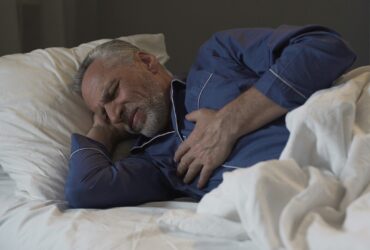
Male pensioner having heart attack, suffering sharp chest pain while sleeping, stock footagePlenty of research from recent years shows a strong link between sleep duration, quality, and heart health.

A new study shows that people who suffer from insomnia or get too much sleep are more likely to have a heart attack than those who get a good night’s sleep.

The study showed that people with insomnia were 69 percent more likely to have a heart attack than those without the sleep disorder. The rates were even higher in people who had diabetes and insomnia.

Insomnia puts stress on the body, which triggers the release of the stress hormone cortisol and can accelerate atherosclerosis. Atherosclerosis refers to the plaque that accumulates in arteries that can create conditions for a heart attack.

The study was published in Clinical Cardiology in late February. It featured data from 1,200 studies that featured nearly 1.2 million adults. Of them, nearly 13 percent (154,000) had insomnia, and most did not have a history of a heart attack.
After nine years of follow-up, about 2,400 people with insomnia and almost 12,400 without insomnia had a heart attack. People who slept five or fewer hours per night seemed to have the most significant heart attack risk.

Too much sleep was not good, either. People who slept six hours or less had a lower risk of heart attack than those who slept nine hours. Too much sleep may indicate poor quality sleep or be the body’s response to another health condition.

Seniors with insomnia were more than twice as likely to have heart attacks as their counterparts without it.

The ability to fall and stay asleep for 6-8 hours is ideal. Creating a sleep schedule with consistent bed and wake times and creating an environment conducive to sleep and relaxing before bed can all help make it easier to get good sleep.

It’s a good idea to speak with a sleep specialist if you consistently struggle to fall and stay asleep.

Can Low-Carb Diets Help Cut the Risk of Diabetes?

healthy keto breakfast: egg, avocado, cheese, baconIf you want to normalize blood sugar and reduce your risk for full-blown type-2 diabetes, could adopting a low-carb diet help? A new study suggests that it could, in certain cases.


The work looked at what happened in people with prediabetes, a condition characterized by higher-than-normal blood sugar levels that put people at higher risk for diabetes, adopted a low-carb diet. Prediabetes may affect 96 million US adults.

However, the effects of a low-carb diet did not have the same result in white and black participants. The study found a low-carb diet was much more effective in lowering blood sugar in white participants compared to black ones.

Black people represented 59 percent of the study participants.

The randomized clinical trial – the gold standard in scientific research – enrolled 150 older adults with prediabetes. All were overweight (average BMI was 35), and nearly three-quarters were women.

Over six months, half were randomly assigned to a low-carb diet with frequent dietary counselling, while the others continued with their usual eating habits.

During the first three months, the low-carb group had to keep carbohydrate intake below 40 grams per day, which is roughly the amount found in an English muffin and apple. From the fourth month onwards, the limit increased to 60 grams daily.
The low-carb group was told to focus on eating non-starchy vegetables, fish, poultry, lean meat, eggs, olive oil, avocados, nuts, and seeds, Greek yogurt, low-carb milk, and small amounts of cheese. They were told to avoid fruits, other forms of dairy, legumes, beans, and grains.

The low-carb group lost an average of 13 pounds during the trial period. They also saw greater improvements in A1C and fasting blood glucose levels, which represented a 60 percent lower risk of developing diabetes within the next three years.

It is unclear, however, if the improved blood sugar resulted from the low-carb diet or the fat loss.

Adopting a diet where carbohydrates are kept this low is unsustainable in the long term. Instead, people should focus on making better nutritional decisions and dialling down bread, sweets, and starchy vegetables.

Focusing on weight loss and including more activity can also help promote lower blood sugar and reduce the risk of type-2 diabetes.

Exercise Reduces Bad Impacts of Unhealthy Sleep Duration: Study

A mature caucasian couple out for a hike together. Senior man and woman smiling and walking in a forest in natureIt’s commonly known that getting enough sleep is essential to a healthy lifestyle, but new research suggests that exercise can help counter the harmful effects of poor sleep.


Today, we’ll dive deep into the science behind these findings and learn how to better care for your body.

Why does sleep matter in the first place? Sleep is the time our bodies use to recover and rejuvenate from the day. It’s a vital bodily function that allows us to replenish our energy, repair tissues and cells, and clear our minds. When we don’t get the recommended amount of sleep (around 7-8 hours for adults), we start to see negative effects on our mood, cognitive function, and overall health. On the other hand, when we get too much sleep (10 or more hours), studies suggest that we may be at a higher risk for obesity, diabetes, cardiovascular disease, and other health issues.

But why is physical activity so important in combatting these negative effects? Exercise helps regulate our sleep-wake cycle. When we engage in enough physical activity, our bodies enter deeper sleep stages, allowing us to feel more rested and rejuvenated upon waking. Additionally, exercise increases blood flow to the brain, improving cognitive function and mood. This means that even if you don’t get enough sleep, engaging in physical activity can help offset these detrimental effects.

It has long been known that both sufficient sleep and exercise can contribute to prolonged life expectancy. However, using accelerometry, this new study is the first to examine the joint effects of physical activity and sleep duration on mortality risk.

The study was published in the European Journal of Preventive Cardiology. It included 92,221 adults aged 40 to 73 years who were enrolled in the UK Biobank cohort and who wore an accelerometer wristband for one week between 2013 and 2015.

Researchers examined how physical activity influenced sleep’s impact on mortality. First, they looked at the volume of activity, then at the intensity of the activity. All outcomes were adjusted for factors that may have influenced results, including sex, age, ethnicity, education level, deprivation, body mass index, diet, alcohol intake, smoking, and shift work.
It was found that in participants with low amounts of volume of activity, short and long amounts of sleep were associated with 16% and 37% raised risks of all-cause death. In those with intermediate amounts of exercise, only short amounts of sleep were detrimental, with a 41% raised risk of all-cause death. Those who had short amounts of sleep with a low volume of exercise had a 69% elevated risk, which disappeared when exercise increased to moderate or high volumes.

Study author Dr. Jihui Zhang concluded, “Our findings suggest that health promotion efforts targeting both physical activity and sleep duration may be more effective in preventing or delaying premature death in middle-aged and older adults than focusing on one behavior alone. In an ideal scenario, people would always get healthy amounts of both sleep and physical activity. However, our study indicates that getting sufficient exercise may partially offset the detrimental impact of missing a good night’s sleep.”

This study helps to show a clear and proven link between sleep and physical activity. While oversleeping or getting too little sleep can be detrimental to our health, physical activity can counteract some of these negative effects. Engaging in regular, moderate exercise can lead to a more relaxed mind and deeper sleep.

By placing importance on both good sleep hygiene and physical activity, we can prioritize our health and longevity. Remember, self-care takes consistency, but it is worth the effort.

Promoting Healthy Sleep

In today’s fast-paced world, many people struggle with sleep. However, the consequences of a lack of good sleep can be much more severe than just tiredness and diminished performance. Studies show that a good night’s sleep can help to support blood sugar levels, maintain healthy body weight, control mood, and keep cardiovascular health in check.

Sleep Sure plus can help reduce these effects by helping to promote optimal sleep and restfulness through a variety of ingredients. One of the most important ingredients included in this unique formula is melatonin. Melatonin is a hormone that is normally released at night and is essential for the regulation of the circadian rhythm (the internal clock of the body).

Sleep Sure Plus also contains valerian, one of the best natural ingredients for promoting rest and relaxation. These two essential ingredients are joined by another 6, which all work together to provide a better quality of sleep.

Ways to Cut Dementia Risk

Asian senior woman listening music with headphone in backyard.Aging with a healthy brain can help you maximize and enjoy your life as long as possible. You have the power to impact brain health through lifestyle choices, and doing things that promote brain health can cut dementia risk.

Although causes of dementia can vary, about 40 percent are affected by risk factors influenced by lifestyle choices. Here are some things you can do to lower dementia risk.

Manage blood pressure: Aim for a systolic blood pressure (the top number) of 130 mm Hg or lower after age 40. This can help reduce the risk of cognitive impairment, dementia, heart attack and stroke.

Protect hearing: Wear ear protection around excessive noise (leaf blowers, lawn mowers, etc.) to reduce the risk of hearing loss. If hearing becomes impaired, get a hearing aid. Recent research found that adults who got a hearing aid for newly diagnosed hearing loss had a lower risk for dementia after three years.

Don’t smoke or drink excessively: If you smoke, quit. Doing so can make a difference at any age. Drinking too much can lead to brain damage and an increased risk of dementia. One drink per day is likely the least harmful.
Stay mentally engaged: Find something you enjoy, whether taking a class locally or online, challenging your mind with puzzles and games, or starting a new hobby.

Socialize: Keeping up with family and friends can be helpful. Being social or choosing an activity that is meaningful to you, like volunteering or participating in community groups, is also a good way to increase social networks and a sense of purpose.

Eat right: A heart-healthy diet featuring plenty of fruits, vegetables, and healthy fats promotes blood flow to the brain. The Mediterranean diet is a good option.

Get regular exercise: 150 minutes of moderate or intense physical activity per week can help guard against dementia, as well. It promotes oxygen and blood flow to the brain.

Get good sleep: Quality sleep allows the brain to lock in memories, learn new skills, and remove inflammatory waste.

These are just some of the lifestyle factors that can influence dementia risk. Add on to whatever you may already be doing.

Five-Star Guarantee of Satisfaction