


Strategies For Older Adults to Improve Their Sleep

Unhappy elderly woman lying in bed at home thinking pondering over life problems, mourning or yearning, upset sad senior female relax in bedroom feel unwell or stressed suffering from insomniaAs you get older, it can become increasingly difficult to maintain a good night’s sleep. With the change in body chemistry and hormones that come with age, falling and staying asleep can be tougher than ever.

That’s why improving your sleep is so important – sleep deprivation has been linked to depression, impaired cognitive performance, and an increased risk of developing certain chronic illnesses like diabetes or heart disease.

Fortunately, there are steps that seniors can take to ensure better quality sleep throughout their golden years.

In this blog post, we’ll explore some of the best strategies for older adults to help increase the amount of sleep they get each night. So, if your nighttime routine isn’t restful, it’s time to start making some changes.

Keep A Regular Sleep Routine
Maintaining a routine is crucial for a healthy life and especially important when getting a good night’s sleep. Your body craves consistency, and going to bed and waking up at the same time every day can significantly impact your sleep quality.

It might feel tempting to hit snooze on your alarm or stay up late on the weekends, but ultimately, those habits will throw off your body’s natural rhythm and make it harder to get adequate rest.

By prioritizing a regular sleep schedule, you’ll be able to wake up feeling refreshed, energized, and ready to take on whatever the day has in store for you.

Stay Active
It may seem counterintuitive, but the best way to prepare your body for a good night’s sleep is to stay active, even when you’re feeling tired.

Physical and social activity serve as cues for your body to remain alert during the day and begin to wind down when the day is over. Sitting around at home might initially seem like it will help you catch up on some much-needed rest, but it will only prolong your drowsiness and make it harder to sleep soundly at night.

So, get up and get moving, and soon you’ll see that staying active is the best way to keep your physical health and mental health energized daily.
Cut Down On Naps
Napping may seem like a perfect solution to feeling tired during the day, but our body’s natural sleep system may actually take a hit from these daytime snoozes.

While it is recommended that we avoid napping altogether, if you must indulge, try to limit it to 30 minutes or less and avoid napping after two in the afternoon.

Naps can lower our homeostatic sleep drive, a pressure for sleep that builds up over the course of the day, which can impact our ability to initiate and maintain sleep at night when we need it most. So, if you’re having trouble sleeping at night, it may be time to limit those daytime naps and give your body the time it needs to build up that much-needed sleep drive.

Reduce Harmful Substances
As we age, the effects of alcohol, caffeine, and nicotine change drastically. They no longer metabolize in our systems the way they did in our younger years.

In fact, consuming any of these substances can push our bodies beyond their limits, causing a variety of unwanted side effects like insomnia and elevated heart rate.

While a glass of wine might help soothe our nerves and help us drift off to sleep, it also disrupts the normal sleep pattern leading to restless nights. So, it’s best to minimize or eliminate these substances to allow our bodies to rest and recover properly.

Use Supplements
For those struggling with insomnia, reaching for a pill to help you sleep can be tempting. However, being mindful of medication’s potential risks and side effects is important.

Over-the-counter sleep aids can cause grogginess and confusion, while prescription drugs have been linked to cognitive impairment and an increased risk of falls. Instead, consider trying natural supplements like valerian, chamomile, passionflower, or melatonin. These options have shown modest improvement for some individuals in small doses of 3mg or less.

Additionally, cognitive behavioral therapy is a well-established non-drug treatment for insomnia that targets negative behaviors and has a high success rate. So, while supplements may be worth a try, avoiding medication and exploring alternative options for a good night’s sleep is best.

Promoting Optimal Sleep

Sleep Sure Plus is designed to help promote optimal sleep and restfulness through a variety of ingredients. One of the most important ingredients included in this unique formula is melatonin. Melatonin is a hormone essential for regulating the circadian rhythm (the body’s internal clock).

Sleep Sure Plus also contains valerian, one of the best natural ingredients for promoting rest and relaxation. These two essential ingredients are joined by another 6, which all work together to provide a better quality of sleep.


Science-Backed Methods to Help You Deal with Anxiety

It’s about understanding myselfIt’s completely natural for everybody to go through periods of anxiety from time to time. Sometimes it can even have its benefits, like when it’s helping you stay alert while driving through a snowstorm.


But its effects are so frequent and strong for tens of millions in America that it is considered a mental health disorder.

In these cases, it can have major emotional, physical, and mental impacts on your health. Findings ways to deal with them is important to normal function.

Anxiety is considered a disorder when fear or worry prevents you from accomplishing everyday activities. There are several types of disorders, including generalized anxiety disorder, phobias, social anxiety disorders, and panic disorders.

Symptoms can include an irrational or excessive fear of a threat when a situation does not present one. One may also experience:
• Shortness of breath
• Pounding heartbeat
• Feelings of dread or being overwhelmed
• Fatigue or insomnia
• Anticipating the worst possible outcomes
• Restlessness
• Shaking (tremors) or sweating
• Upset stomach/diarrhea
• Frequent urination
• Irritability
Some at home ways to help you deal with anxiety include:

Thinking about your options: Think about a situation where you recently felt anxious and consider how you may think or behave differently if you found yourself in the same situation again. This can help interrupt counterproductive thought patterns and replace them with more supportive ones.

Eat healthier and increase activity: Food can affect mood. Eating more healthful foods and limiting alcohol can help reduce anxiety while focusing on getting more activity is a great way to enhance your self-care plan. Plenty of research shows that exercise is very important for managing anxiety and depression.

Read up on anxiety: Reading some self-help books based on anxiety can help you understand the condition and offer helpful tips.

Try online therapy: Research suggests that online programs for anxiety and depression can be just as effective as face-to-face and may be particularly useful for people without access to strong community resources.

Women Experience More Long Term Anxiety Than Man Men After Cardiac Arrest : Study

Cropped shot of a woman sitting on a sofa and feeling anxiousNew research now suggests that women experience more long-term anxiety than men after a cardiac arrest. In fact, findings from a recent study indicate that after experiencing a cardiac arrest, with no differences related to other conditions such as hypertension or diabetes female patients were more likely to develop psychological distress than their male counterparts.


The study presented at ESC Acute CardioVascular Care 2023 ran between 2016 and 2021 and involved 245 patients who had cardiac arrest and were admitted to the hospital in a coma. About 18% of the patients were women.

During a four-month follow-up appointment, psychological symptoms such as depression and anxiety were assessed using the Hospital Anxiety and Depression Scale (HADS). Symptoms of PTSD were also assessed using the PCL-5 checklist.

Researchers found that depression and anxiety scores were significantly higher in women than men. Women also had substantially higher levels of Post-Traumatic Stress Disorder (PTSD) than men who had experienced cardiac arrest. However, in both men and women, anxiety was highly correlated to PTSD symptoms.

Study author Dr. Jesper Kjaergaard said, “The findings confirm our experience in clinical practice that the psychological effects of cardiac arrest persist for months. Anxiety was frequent, particularly in women. Our results highlight the need for long-term follow-up of cardiac arrest survivors to identify and treat mental health issues. Patients should be encouraged to tell their healthcare professional about anxiety, depression and stress related to the cardiac arrest. Future studies are needed to investigate whether talking to a professional can help alleviate psychological symptoms.”
Cardiac arrest is a serious and often fatal condition affecting millions of people worldwide. It is responsible for one in five deaths in industrialized countries, making it one of the leading causes of mortality worldwide.

The condition occurs when the heart stops pumping blood around the body, depriving vital organs of oxygen and nutrients. As a result, the individual can pass out and die within just minutes if the flow is not restored quickly.

Unfortunately, less than 10% of people who suffer from cardiac arrest in the community can survive long enough to be discharged from the hospital. It’s important to be aware of the signs and symptoms of cardiac arrest and to seek medical attention immediately if you suspect that you or someone else is experiencing this life-threatening condition.

Reducing Anxiety

Anxiety is a complex and often debilitating condition that a range of factors can cause, as this study helps to show. While everyone experiences anxiety to some degree, those who suffer from an anxiety disorder know firsthand the impact it can have on their daily lives. Symptoms can range from mild to severe, including persistent worry, panic attacks, and avoidance behaviors. It’s important to understand that anxiety is a real and pervasive issue affecting millions of people worldwide.

Reducing anxiety can be tough, but with the help of Anxiety Rescue, you can help to support healthy mood balance and cognitive function. Through various ingredients, this unique formula can help target multiple aspects of stress, mood support and anxiety. Anxiety Rescue begins to work quickly and improves benefits and support as the weeks go on.

Maintaining Good Fitness Levels Reduces the Bad Impacts of High Blood Pressure: Study

African American athletic woman doing weight exercises for upper body strength during sports training in a gym.High blood pressure doesn’t discriminate. It affects men and women of all ages, sizes, and backgrounds.


Long-term high blood pressure can lead to serious health problems such as stroke, heart disease, and death. Fortunately, a new study has found that there are simple steps anyone can take to maintain their health even when struggling with high blood pressure. Maintaining good fitness levels through balanced nutrition and regular exercise is one key step in reducing the negative impacts associated with this condition.

The new study recently published in the European Journal of Preventive Cardiology was the first to evaluate the joint efforts of blood pressure and fitness on the risk of dying from cardiovascular disease.

It included 2,280 men aged 42 to 61 living in eastern Finland enrolled in the Kuopio Ischaemic Heart Disease Risk Factor Study. Blood pressure and cardiorespiratory fitness were measured through maximal oxygen uptake while riding a stationary bicycle. All participants’ blood pressure measurements were classified as low, medium, or high.

Baselines were taken between 1984 and 1989, and all participants were followed until 2018. During this follow-up time, there were 644 deaths due to cardiovascular disease. The outcomes were adjusted for risk factors such as cholesterol levels, age, body mass index, smoking status, alcohol consumption, type 2 diabetes, coronary heart disease, physical activity, and socioeconomic status.
It was found that participants with high blood pressure and low fitness had a more than doubled risk of cardiovascular death compared to those with normal blood pressure and high fitness.

Study author Professor Jari Laukkanen concluded, “Getting blood pressure under control should remain a goal in those with elevated levels. Our study indicates that men with high blood pressure should also aim to improve their fitness levels with regular physical activity. In addition to habitual exercise, avoiding excess body weight may enhance fitness.”

Monitoring Hypertension

High blood pressure or hypertension affects many adults globally, with almost 1.3 billion individuals aged 30 to 79 years suffering from the condition. The implications of hypertension are dire, as it is a significant risk factor for heart attack and stroke, leading to premature deaths worldwide. The importance of monitoring blood pressure levels cannot be overstated, as hypertension is often asymptomatic and may go unnoticed until it causes serious health complications.

As this study shows, taking proactive steps toward managing and treating the condition is crucial to adopting a healthy lifestyle and prioritizing regular check-ups with healthcare professionals.

By maintaining healthy blood pressure, you can help to reduce the risk of cardiovascular disease and help support overall heart health. Human clinical studies have shown Healthy Blood Pressure Support to help support healthy blood pressure, making it an excellent choice for those looking to support and promote healthy blood pressure. In addition, Healthy Blood Pressure Support also supports healthy cholesterol levels and cardiovascular health.

Why You Should Give Beets a Chance

Red Beetroot with herbage green leaves on wooden backgroundBeets just don’t show up on enough plates. Perhaps it’s because people are scared of them, don’t know how to cook them, or just flat-out don’t understand them.
But give beets a chance.

These versatile – and delicious – root vegetables can probably do more than you think for your health.

First off, beets, or beetroot, are low in calories and high in phytonutrients, which are healthful compounds produced by plants. You can sort of see these nutrients indirectly in the beets natural dark purple hue. Typically, the richer the color of a fruit or vegetable, the more phytonutrients it has. There is certainly a lot to be said about the beet’s colour.

Apparently, medicinal uses for beets date back centuries. Ancient Romans may have had them to treat constipation, improve circulation, and fight fever.

These days, experts are excited about several beets benefits. For one, they are very high in nitrates, which can help improve cardiovascular health. Some research suggests that beetroot juice supplements may lower blood pressure and increase blood flow.
Nitrates in the juice – as well as whole beets – may increase oxygen uptake, which lengthens the amount of time it takes to become fatigued. This can help you stay active for longer.

Beets are also a rich source of antioxidants that can help promote cell health, repair DNA, and have anti-inflammatory effects. All of this can help reduce the risk of several chronic diseases.

Beets are also high in fiber, contributing to better digestion, cholesterol management, and heart health. Just a half-cup of boiled beets contains nearly 2 grams of fiber, which is quite a punch for such a small serving.

You can also get a good helping of vitamins A, C, and K from beets, which can help contribute to immune strength and bone health.

A lot of the research on beets features beetroot juice, but adding more vegetables to your plate is never a bad thing. You can try them raw in salads, boiled, baked, or dried.

Consumption of More Magnesium in Daily Diet Can Help Keep Dementia Away

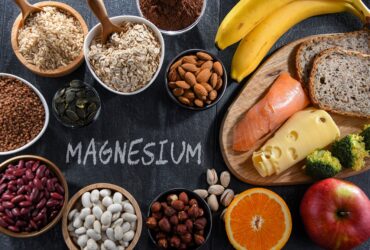
Composition with food products rich in magnesium.Have you heard about the link between magnesium and dementia? As we age, certain things become important to maintain our health. One of those things is ensuring adequate amounts of magnesium in our diet.


A new study has shown that incorporating specific minerals and vitamins into our daily diets could have powerful benefits for mitigating mental deterioration such as dementia, one of these minerals being magnesium.

Today, we’ll take a look at how improved levels of magnesium intake can help keep a healthy brain. We’ll discuss what it is and why it’s so important before exploring ways to increase your magnesium consumption safely.

The Neuroimaging and Brain Lab study at The Australian National University (ANU) examined data from over 6,000 cognitively healthy people in the United Kingdom aged 40 to 73. It was found that people who consume more than 550 milligrams of magnesium each day have a brain age that is approximately one year younger by the time they turn 55 years old. These findings were compared to people with a normal magnesium intake of about 350 milligrams a day.

“Our study shows a 41 percent increase in magnesium intake could lead to less age-related brain shrinkage, which is associated with better cognitive function and lower risk or delayed onset of dementia in later life,” said lead author Khawlah Alateeq.
The researchers believe that a higher magnesium intake in our diets starting from a young age could help protect against neurodegenerative diseases and cognitive decline by the time we reach our 40s or even earlier.

“This means people of all ages should be paying closer attention to their magnesium intake,” said Alateeq.

Dementia is a condition that affects millions of people worldwide, and unfortunately, it’s expected that the number of cases will more than double by 2050. This news is concerning not only for those who may be diagnosed or have loved ones who are diagnosed but also for health and social services and the global economy.

As we continue to gain a better understanding of the causes and risk factors of dementia, it’s essential that we also work to find effective treatments and support for those affected by this condition. By doing so, we can help alleviate the strain on our resources and ensure that people living with dementia can receive the care they need to maintain their quality of life.

Protecting Brain Function

As you age, there are numerous factors that can take a toll on the ability of the brain to function at peak potential. This can affect cognitive health, such as memory, concentration, and overall brain function. The Smart Pill can help to enhance cognitive function and memory through 9 ingredients that help to support, nourish, and maximize brain health. These include ginkgo biloba, huperzine A, bacopa extract, rosemary extract, and a B vitamin complex. This unique formula helps to boost circulation, fight free radicals, and provide nutritional support to assist with cognitive function.

Tips to Keep Your Eyes Healthy

Blond young woman with beaming smile is looking through her hand. She is wearing casual outfit and stands on light grey backgroundYou might not think about your eye health the same way as your heart or bone health, but they aren’t something you should take for granted, either.

You can do things to help your eyes stay healthy and functional. Here are a few steps to follow if you want to give yourself the best chance at seeing long into the future.

Eat a Healthy Diet: Good eye health really starts with the food on your plate. Foods with Omega-3 fatty acids, lutein, zinc, and vitamins C and E may help hold off age-related vision problems like macular degeneration and cataracts. Try eating more:
• Leafy green vegetables like spinach, collards, and kale
• Salmon, tuna, and other oily fish
• Eggs, nuts, beans, and other nonmeat protein sources
• Oranges and other citrus fruits/juices
• Oysters and pork
Quit Smoking: Smoking increases the risk of cataracts, damage to the optic nerve, and macular degeneration. If you’ve tried quitting and failed, try again: the more times you try to quit, the more likely you are to succeed.

Wear Sunglasses: The right pair of sunglasses can help protect your eyes from powerful ultraviolet (UV) rays. Too much UV exposure can boost the chances of cataracts and macular degeneration.

Choose shades that block 99- to 100 percent of UVA and UVB rays. Wraparound lenses can help protect your eyes from the sides.

Look Away from Computer Screens: Staring at a computer, phone, or tablet screen for too long can lead to a number of issues, including eye strain, blurry vision, trouble focusing on distance, dry eyes, headaches, and neck, back, and shoulder pain.

To protect your eyes from screen viewing, ensure your prescriptions are up to date and take screen breaks every 20 minutes. Look at something about 20 feet away for 20 seconds,

Keep Up With Eye Doctor Appointments: Regular visits to the eye doctor can help protect your sight and catch any potential concerns early.

Exercise Over 40 Could Keep You Out of the Hospital

African senior woman doing workout routine while stretching outdoor - Focus on faceFinding time for exercise in your 40s and beyond can be more challenging. Various responsibilities can get in the way, and then by the time you’ve advanced, you might be too scared to pick it back up again.
But just 20 minutes of additional exercise could make a significant difference in the likelihood you find yourself hospitalized for several health conditions.

A new study suggests that exercise just doesn’t keep you fit, trimmer, or give you a healthier heart; it might keep you out of the hospital.

The study, published in JAMA Network Open, featured 82,000 British adults between the ages of 42 and 78. They wore wrist monitors to record physical activity. Researchers then looked at the relationship between activity and the odds of being hospitalized in the coming years.

The findings suggested that if middle-aged and older people added just 20 minutes of exercise to their daily routine, they could reduce hospitalization risk for conditions like pneumonia, stroke, diabetes complications, severe urinary tract infections, and more between 4 and 23 percent.
After about seven years, more than 48,000 of the participants ended up in the hospital for various reasons. But more physically active people had lower risks when it came to some severe illnesses.

Several studies show that physical activity can improve function, lung and heart health, insulin sensitivity, and reduce inflammation.

The study’s results match up with what is typically recommended – at least 150 minutes of moderate exercise or 75 minutes of vigorous exercise per week.

Moderate-intensity is things like walking, biking on level ground, or yard work. Vigorous activities are things like running, biking uphill, or swimming laps.

Adding 20 minutes to your day – whether it’s going from 0-20 minutes or 20-40 minutes can help, and the benefits appear to be dose-dependent – the more you do, the lower the risk of a trip to the hospital.

You’re never too old to exercise, so get a pair of sneakers and start moving!

What Is Normal Pain Following a Workout?

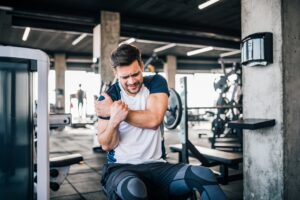
Sport injury concept.Last summer, I got back to the gym after an extended time off. I’ll tell you, it felt great, but it took some getting used to.


But after eight weeks of strength gains and muscle growth, I caught COVID and had to double my commute time to work. The gym no longer fit into my schedule, and the gains were gone.

I’m back at it this week, and it feels great. But as you might have noticed, waking up your muscles after an extended break can be painful.

After three days, the parts I exercised are still tender, and I’m experiencing something called DOMS – Delayed Muscle Soreness. This is a common symptom of exercise for both rookies and highly active people.

Sore muscles following a workout are common, especially if you haven’t worked out in a long time. It’s essentially the reaction to usage, and it typically goes away soon and does not signify an injury. As workouts become more frequent and your body adjusts, the pain often dulls or goes away completely.
That said, you should give your muscles a few days to recover if they are sore. For example, if you have a scheduled gym day, but your chest and back muscles are still a little sore, maybe focus on different areas to allow more recovery time.

Once again, the pain will subside much faster once you’ve had a few workouts and your body adapts to the routine.

Not all pain is normal, though. If you’re experiencing pain in areas that are not muscle, like in the joints or bones, it may signify an injury. Also, if you notice anything acute while working out, the sensation of a snap or a pull, it could also be an injury.

These types of injuries may show up with swelling, discoloration, or throbbing. Visiting the doctor is a good idea if you think you’re dealing with one of these issues.

You can prevent injury to your joints and muscles by learning proper technique, which can be taught by a fitness professional like a personal trainer, and remembering to perform warm-ups, cool-downs, and stretches.

Hearing Constant Road Noises Could Increase Your Blood Pressure: Study

Portrait of woman standing still in the middle of a street with cars passing by fast, screaming stressed and frustratedIf you constantly hear the rumble of traffic or other incessant road noises outside your home, it may affect your blood pressure. Research shows that being exposed to such noises nonstop can increase your blood pressure, an unhealthy sign which could have serious long-term repercussions on your health if not addressed properly.


Even though you may not be aware of the adverse effects of noise pollution on your body, understanding how it affects your physical well-being is important for maintaining a healthy lifestyle.

Read further to learn about why these never-ending road noises should be taken seriously and what measures you can take to reduce their impact on your health.

Previous studies have shown a connection between traffic noise outside a home and hypertension. However, the evidence was lacking, and it was unclear whether air pollution was also a contributing factor.

For this new study published in JACC Advances, researchers analyzed data from more than 240,000 people aged 40 to 69 who had no hypertension at the start of the study. Road traffic noise outside their home was estimated with the Common Noise Assessment Method, a European modelling tool.

Using follow-up data over approximately eight years, researchers looked at how many people developed hypertension. It was found that people living near road traffic noise were more likely to develop hypertension, and that risk increased in tandem with noise levels. The associations stayed true when researchers adjusted for fine particles and nitrogen dioxide exposure. However, people exposed to air pollution and traffic noise had the highest hypertension risk.
“To date, this is the first large-sized prospective study directly addressing the effect of road traffic noise on the incidence of newly-diagnosed hypertension,” said Jiandong Zhang, author of the accompanying editorial comment. “The data demonstrated in this article provides a higher quality of evidence to justify the potential to modify road traffic noise and air pollution from both individual and societal levels in improving cardiovascular health.”

Researchers hope these findings support public health measures as they confirm that traffic noise harms blood pressure. Some policymaking could help alleviate the impact of road traffic noise, such as enforcing stricter noise guidelines, improving road conditions and urban design, and investing in technology for quieter vehicles.

Hearing health not only affects your quality of life through audio disadvantages, but as this study shows, it can also affect other aspects of general health. If you live in an area with traffic noise, taking steps to help reduce your blood pressure may be essential.

Supporting Heart Health

By maintaining healthy blood pressure, you can help to reduce the risk of cardiovascular disease and help support overall heart health. Human clinical studies have shown Healthy Blood Pressure Support to help support healthy blood pressure, making it an excellent choice for those looking to reduce their risk of hypertension. In addition, Healthy Blood Pressure Support also supports healthy cholesterol levels and cardiovascular health.

Want to Quit Coffee But Scared of Withdrawal? Try Decaf

Sleepy woman stirring coffee in the morningPeople might want to quit coffee for any number of reasons: bladder irritation, the jitters, or a belief that it might be putting their health at risk.

Whatever your reason is, there could be one thing holding you back: the fear of caffeine withdrawal.

Withdrawal is uncomfortable and challenging. Symptoms range from headaches to irritability and fatigue to bad moods. It makes cutting back on coffee tough and, for some, unsustainable.

But new research suggests an effective tool to help: decaf.

Researchers from the University of Sydney School of Addiction Medicine in Australia found that people experienced fewer withdrawal symptoms when they drank decaf.

The study involved 61 people who said they consumed three or more cups of coffee every day. Each went caffeine-free for 24 hours, and withdrawal symptoms were measured.
Participants were then separated into three groups: one was given decaf unknowingly, one was told they were drinking decaf, and the third was given water. Forty-five minutes after consumption, withdrawal symptoms were measured again.

The group that unknowingly drank decaf reported the biggest drop in withdrawal symptoms, even though there was no pharmacological reason why it should have that effect. It was simply the belief that they were drinking real coffee, known as the placebo.

Surprisingly, there was a big drop in symptoms from the people who knew they were drinking decaf, as well. The water group, however, did not report a reduction in symptoms.

Perhaps the smell, taste, and ritual of drinking the decaf coffee was enough to quell caffeine withdrawal symptoms.

It’s possible that a cup of decaf may help a person ride out the worst withdrawal symptoms as they work towards becoming caffeine free.

To get the biggest benefits, avoid loading up your decaf with syrups, sugars, and creams, which can present various health risks.

People with Heart Failure May Improve Quality of Life with Exercise Training: Study

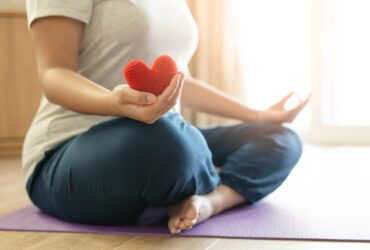
Woman hold red yarn heart shape in hand doing yoga post at home. Yoga is good for heart - meditation concept.For people living with heart failure, exercise can be both a blessing and a curse—it can potentially improve quality of life but exerting oneself when suffering from such an ailment can seem daunting. However, despite being scared of physical activity due to any onset of fatigue that may occur, it turns out exercise could be the key to managing symptoms and improving lifestyle quality.

A recent study has concluded that exercise training benefits those dealing with heart failure, which should give them hope when looking for ways to manage their condition.

In this blog post, we’ll discuss how exercise helps those with heart failure, so read on if you or someone close to you wants to learn more about the treatments available.

Heart failure, a progressive condition, occurs when the heart struggles to supply the body with the necessary amount of blood. This can transpire due to the heart muscle becoming rigid or losing its blood flow pumping strength.

It is crucial for individuals diagnosed with this condition to receive appropriate treatment that primarily focuses on alleviating symptoms like shortness of breath and fatigue. These treatments also aim to minimize or delay the potential threat of heart failure, which includes a decline in quality of life, frequent hospitalizations, the forfeiture of functional independence, mounting healthcare expenses, and an elevated risk of death.

In April 2022, the American Heart Association released recommendations on exercise training for people with heart failure, regardless of the type.

“Exercising helps improve the heart’s pumping ability, decreases blood vessel stiffness and improves the function and energy capacity of skeletal muscle,” said Vandana Sachdev, M.D., chair of the scientific statement writing committee. “Exercise capacity is an independent, clinically meaningful patient outcome, and research has indicated that guided exercise therapy is actually more effective at improving quality of life for people who have HFpEF than most medications.”

This new study examined research published since 2010 to assess the impact of exercise-based therapies. Various types of exercise were evaluated, including walking, stationary cycling, high-intensity interval training, strength training, and dancing.

Peak oxygen uptake was measured, which is the total amount of oxygen a person can breathe into the lungs during physical exertion. For those living with HFpEF, their peak uptake is often only about 30% lower than a healthy person. However, through exercise, it was found that there was an increase of more than 6 – 7% in those with HFpEF.
Overall, supervised exercise training was found to be safe in people with chronic, stable heart failure.

“Future work is needed to improve referral of appropriate patients to supervised exercise programs, and better strategies to improve long-term adherence to exercise training is needed, said Sachdev.

Heart failure is prevalent due to an aging population and the growing rates of risk factors such as obesity and type 2 diabetes. This is why studies such as this need to help healthcare professionals find natural ways to help prevent and reduce the symptoms of heart failure.

How To Keep The Heart Strong and Healthy

Keeping the heart strong and healthy is vital for enjoying a high quality of life as you age. Heart Rescue was designed to help support and promote cardiovascular health using a variety of ingredients, including omega-3 fatty acids, CoQ10, magnesium, and hawthorn extract. This formula’s health benefits can help strengthen the heart muscle, support circulation, and help reduce the risk of heart disease.

CoQ10 is a vital nutrient needed to promote healthy cardiovascular function. However, research has shown that CoQ10 levels can decline with stress, age, and cholesterol-lowering statin use. Due to this decline, it is essential to help support and maintain CoQ10 levels.

The major issue with standard CoQ10 supplementation is that it is a large, fat-soluble molecule that is poorly absorbed in the body. However, CoQ10 Premium Gold gets around this issue by supplying a water-soluble form of CoQ10 for superior absorption by the body. This gives the body the CoQ10 it needs to support energy production and help maintain heart health.

Hollywood Star Bruce Willis Diagnosed with Dementia

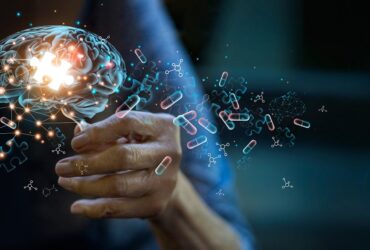
Alzheimer's disease concept, Elderly woman holding brain symbol of missing jigsaw puzzle, World Alzheimer's, World mental health, Memory loss, Dementia, Parkinson disease.Hollywood actor Bruce Willis, known for his roles in the Die Hard franchise and countless other blockbusters, was diagnosed with dementia last week.
His family announced last March that he had been diagnosed with aphasia, a condition that affects a person’s ability to communicate. It usually happens after a stroke or head injury but can also occur from a degenerative brain disease.

The new diagnosis is for front-temporal dementia, signifying his condition has worsened. Front-temporal dementia generally strikes between the ages of 45 and 65 and is the most common form of dementia for people under 60. Willis is 67.

Because it takes quite a long time to receive a diagnosis for front-temporal dementia, it may be more prevalent than is currently reported. It is a relatively rare condition, with estimates suggesting it impacts roughly 50,000-60,000 people in the United States.

It is a progressive condition, meaning it may only start with a single symptom, but more can appear and get significantly worse over time. There are currently no treatments.
The condition strikes the brain’s frontal and temporal lobes, causing parts of them to atrophy. With that, it can produce symptoms affecting speech and causing emotional issues, problems with walking and swallowing, muscle spasms, as well as personality changes.

All of these symptoms are likely to worsen over time.

One of the recognizable early symptoms may be a person suddenly acting differently, which they have no control over.

Early signs of aphasia may be speaking in short or incomplete sentences, saying things that don’t make sense, or using words that don’t fit. Struggling to follow conversation may also occur.

It is possible that a high-profile case like Willis will lead to further exploration of the condition and perhaps bring on a greater understanding of the disease.

Nuts and Seeds are Good Snacks For Heart Health: Study

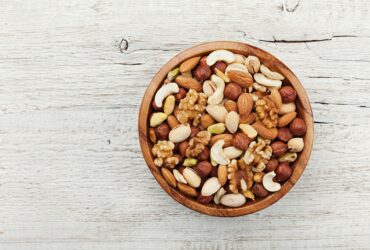
Wooden bowl with mixed nuts on white table from above. Healthy food and snack. Walnut, pistachios, almonds, hazelnuts and cashews.Maintaining heart health is essential to enjoy life and stay active. Eating right can play a major role in preventing heart disease, one of the most common ailments among adults today. While many foods can help support cardiovascular health, some of the best are surprisingly simple: nuts and seeds! These crunchy snacks provide a wealth of nutrients necessary for maintaining healthy cholesterol levels, boosting energy levels, and even improving brain function.

In this blog post, we’ll explore why including nuts and seeds in your diet are essential for heart health.

It is widely known that nuts and seeds can help provide protection for the heart. However, a new systematic review and meta-analysis conducted by researchers at the University of Oslo and the Karolinska Institute in Stockholm found that you reduce your risk of suffering or dying from a heart attack by eating nuts.

“If you eat a handful of nuts every day, that is around 30 grams, you will have a 20 to 25 percent lower risk of suffering from cardiovascular disease. In comparison, adults in the Nordic countries only eat around 4 grams of nuts a day on average. Many do not eat nuts or seeds at all,” says Erik Arnesen, first author of the study.

It is thought that nuts have a beneficial effect on cholesterol levels in the blood, which helps to prevent the build-up of fat in the arteries. This fat in the arteries is called atherosclerosis and is one of the greatest risk factors for heart attack.

During this study, researchers also looked at whether eating nuts could reduce the risk of stroke and type 2 diabetes. No real conclusive answers were found to this question, as nuts did not appear to affect blood pressure, which is one of the risk factors behind strokes. Researchers also noted that they could not be sure whether nuts were good for blood sugar levels.
Although these studies show that more is better when it comes to nut consumption, Arnesen emphasizes that eating just a few nuts is better than none at all. Walnuts, pistachios, and almonds have been found to be the best at lowering cholesterol, but there is no conclusive evidence at this time to recommend specific kinds of nuts over others.

Several previous studies have indicated the importance of nuts for heart health, but this is the biggest review to focus on cardiovascular health.

Arnesen said, “Thanks to this systematic review and meta-analysis, we can present a more precise estimate of the actual effects. Proving that nuts lower cholesterol levels provides a credible explanation for why there is a connection between eating nuts and the risk of cardiovascular disease.”

This new information suggests that although nuts can’t be used to treat high cholesterol, the effects are significant enough to be used as a preventive measure.

Promoting Heart Health

Keeping the heart strong and healthy is vital for enjoying a high quality of life as you age. Heart Rescue was designed to help support and promote cardiovascular health using a variety of ingredients, including omega-3 fatty acids, CoQ10, magnesium, and hawthorn extract. This formula’s health benefits can help strengthen the heart muscle, support circulation, and help reduce the risk of heart disease.

CoQ10 is a vital nutrient needed to promote healthy cardiovascular function. However, research has shown that CoQ10 levels can decline with stress, age, and cholesterol-lowering statin use. Due to this decline, it is essential to help support and maintain CoQ10 levels.

The major issue with standard CoQ10 supplementation is that it is a large, fat-soluble molecule that is poorly absorbed in the body. However, CoQ10 Premium Gold gets around this issue by supplying a water-soluble form of CoQ10 for superior absorption by the body. This gives the body the CoQ10 it needs to support energy production and help maintain cardiovascular health.

Five-Star Guarantee of Satisfaction