


Diabetes and Tooth Loss Can be Troublesome For Older Adults: Study

Portrait of smiling mature woman looking at camera with big grin. Successful middle aged woman at home smiling. Beautiful mid adult lady in casual with long red hair enjoying whitening teeth treatment.As adults age, many conditions might arise, including diabetes, which can lead to tooth loss. Tooth loss due to diabetes isn’t simply painful and inconvenient – it can also indicate deeper underlying issues that need to be addressed for elderly patients to stay healthy.

Recent studies show how tooth loss caused by diabetes isn’t just a case of vanity. Researchers are now beginning to understand how oral health, diabetes, and cognitive decline may exacerbate each other.

Since inflammation plays a role in both diabetes and gum disease, it is also believed to contribute to declines in reasoning and thinking skills – also referred to as cognitive decline. This decline in cognition can lead to more serious conditions such as dementia and Alzheimer’s disease.

How Oral Health Affects Cognition

Overall, there are various ways that poor oral health can affect cognition. For example, chewing healthy food can be difficult for those with missing teeth or with painful gums. By being unable to consume a healthy diet, these people may suffer from nutritional deficiencies that may interfere with cognition. Insulin sensitivity and impaired blood sugar levels in people with diabetes can also worsen nutritional deficiency, affecting cognitive impairment.

Certain bacteria linked with gum disease and chronic periodontitis have also been linked to poor cognitive function.

One prominent study looking at the relationship between tooth loss and diabetes used data from the University of Michigan’s Health and Retirement Study. The study was conducted between 2006 and 2018 and measured memory and cognition every two years.
The study included 9,948 older adults divided into age groups: 65 to 74, 75 to 84, and 85 and older.

In adults aged 65 to 74, those with diabetes and complete tooth loss had the highest rate of accelerated mental decline compared to those with neither condition. There was no evidence to suggest mental decline was caused by tooth loss or diabetes in adults aged 85 and older.

Researchers believe the relationship between poor oral health and cognitive function is due to inflammation. When there are high levels of systemic inflammation, the white matter gets more disorganized. This can lead to worse brain health and poor cognitive outcomes.

Although more research is needed to fully understand the root cause of this relationship, this study helps outline how oral health can affect the whole body, including heart and mental health. Researchers stress, “Access to dental care for older adults, especially those with diabetes, is really important.”

They concluded the study by suggesting, “Older adults who have poor dental health and diabetes would benefit from cognitive screenings from their primary care providers.”

Maintaining Healthy Blood Sugar Levels

As this study suggests, supporting healthy blood sugar levels is vital as we age. Healthy Blood Sugar Support can help maintain healthy blood sugar levels using a number of ingredients that have been shown in clinical studies. The health benefits of this unique formula include supporting blood-sugar metabolism and promoting healthy cholesterol and glucose levels already within the normal range. Healthy Blood Sugar Support can also help to reduce excessive hunger or increased appetite, fatigue, and blood glucose spikes after meals.
How to Avoid Overuse Injuries that Can Hurt Joints, Bones, and Muscle

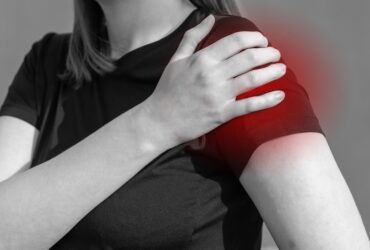
Woman touching painful shoulder with red point. Arm ache, swelling. Overuse, rotator cuff tendons injury, dislocation consequences. Health problems concept. Black and white. High quality photoRegular exercise is great for your heart, body, and mind, but you can get hurt if you’re doing it too much, especially without proper maintenance.


Overuse injuries can damage bones, ligaments, tendons, and muscles from repetitive motions like running, lifting, cycling, etc. They come from issues like poor technique, doing too much or moving too fast, or not warming up or cooling down.

Here are a few common overuse injuries, what they feel like, and how to prevent them.

Runner’s Knee: This happens when the kneecap is pulled in the wrong direction by muscle tightness, causing the kneecap to rub over the bone behind it. The pulling is typically caused by tight hip flexors, hamstrings, or iliotibial band (ITB) muscles.

It creates a dull pain around the front of the knee and can be accompanied by rubbing, grinding, or clicking feelings in the joint.

To prevent runner’s knee, warm up and stretch your hamstrings, hip flexors, and ITB muscles before walking, running, and biking. You can also focus on strengthening quad muscles to promote proper knee alignment.

ITB Band Syndrome: The iliotibial band, or ITB, is a band of connective tissue that runs from the hips to just below the knee on the outside of the leg. When the load on it exceeds the strength, it can get tight and pull at the side of the knee.

The pain typically begins outside of the knee and builds during repetitive activity. It may be accompanied by clicking, popping, or snapping sensations.

Hip and core strengthening can help prevent ITB Band syndrome, as well as stretching ITB muscles and hamstrings to stay flexible.

Plantar Fasciitis: This injury is typically a result of tightness in the calf muscles. It may also be caused by improper footwear, limited mobility in the big toe, or weakness in the ankles, hips, and knees.

The plantar fascia connects the heel bone with the toes and supports the arch on the foot, and overuse can lead to pain and inflammation in the heel.

Proper footwear and maintaining flexibility in the foot by working if an ability to extend the big toe can help prevent the condition.

To give yourself the best shot at avoiding overuse injuries of any kind, be sure to warm up and cool down before and after exercise and spend some time stretching every day.

Things You Can Do to Lower Your Risk of Arthritis Developing and Causing Pain in Spine

Doctors sitting around the table and interpreting x-ray imageIt’s a fact of life that adults are more likely to experience pain from arthritis in the spine than younger individuals. Yet, this doesn’t mean that you’re doomed to develop arthritis.


Instead, you can take steps to minimize your risk of developing the condition, reducing both the likelihood of acquiring it and staying comfortable if symptoms appear.

In this article, discover how proactive measures like regular exercise and diet modifications can positively affect long-term health outcomes and help stave off arthritic pain over time.

The complex and intricate musculoskeletal system is crucial for everyday movements and activities. Within this system, arthritis can manifest in various forms, causing discomfort and hindering our ability to perform simple tasks.

At this system’s heart are the joints, which serve as vital connection points between two bones. These connections are guarded by cartilage, a specialized tissue that covers the bone surface, ensuring smooth movement and preventing friction.

In addition, a unique membrane known as the synovial membrane lines the joint, enclosing the area in a protective environment. This membrane also plays a crucial role in producing synovial fluid, a substance that provides lubrication and nourishment for the cartilage. By working in unison, these components create a harmonious balance, granting us the flexibility and ease of movement we often take for granted.

The Aging of Joints

As we age, the cartilage in the joints can break down and cause swelling and tenderness. This can happen to various parts of the body, but it is most common in the joints used daily and those that are load-bearing where movement occurs, including the spine.

The two most common types of arthritis are rheumatoid and osteoarthritis. Osteoarthritis, a debilitating and painful condition, arises when the protective layer of cartilage capping our bones gradually erodes. This cartilage in our joints is crucial in facilitating smooth and pain-free movement. As it wears away, the bones begin to rub against each other, resulting in stiffness, inflammation, and discomfort.

Rheumatoid arthritis is an autoimmune disease that occurs when the body’s immune system malfunctions and mistakenly targets the joints. It’s a complex condition characterized by inflammation and swelling, leading to significant discomfort and decreased mobility for those affected.

Several factors can help to reduce the risk of osteoarthritis and rheumatoid arthritis. These risk factors include metabolic syndrome, obesity, occupation, physical activity, diet, and previous injury.

Remaining active as you age is possibly the most important aspect that can help prevent arthritis. Research shows that the more sedentary people are, the more likely they will have issues with arthritis pain. Even simple exercises such as walking can help keep you mobile and your joints healthy.
Exercise can also help you keep a healthy weight. Carrying extra weight can be hard on the joints in the back. Maintaining a healthy body weight can go a long toward keeping your joints happy.

Many people don’t realize that smoking can affect joint health. Tobacco can speed up cartilage loss in joints and aggravate back pain. So, if you have been looking for time to quit smoking, this is it!

If you are experiencing back pain due to arthritis, you may need an individualized treatment plan. A healthcare team can match your x-rays with a treatment that is targeted towards your symptoms. This may include physical therapy, exercise, chiropractic manipulation, massage, weight loss, and medications. Most patients have success with a personalized treatment plan and see it lessen back pain and improve mobility.

It is important to remember that almost everyone will experience back pain at some point, so knowing how to help prevent and manage it is vital.

Maintaining Joint and Bone Health

As you age, your joints may require support to help them stay strong, flexible, and healthy. Healthy Joints contains multiple ingredients to help support and improve joint health. The primary ingredient in Healthy Joints is AprèsFlex®, an extract from Boswellia, which has been found in studies to provide rapid support for joint health and mobility. This unique formula also contains glucosamine and chondroitin, which contain compounds that are some of the building blocks of healthy joints.

Supporting bone health is also essential as you age. Bone Rescue can help to support the maintenance and development of bones thanks to its unique formula, including strontium. Chemically similar to calcium, strontium can provide great support for aging bones. Bone Rescue contains 680 mg of strontium along with additional ingredients to help keep bones strong and healthy.

Try These Types of Rest to Fight Burnout

Relaxed man breathing fresh air with the sea at the background.There’s a lot of pressure on you. Whether it’s your job, family, or other commitments yanking you here and there, it can be easy to feel burned out.


For some reason, the North American culture celebrates the idea of working long hours, hustling, and saying “yes” to everything, no matter what. But do people really feel good about it?

Feeling burned out is a state of mental, physical, and/or emotional exhaustion that’s caused by constant stress. It can creep up, and you may not notice until it’s too late. Next thing you know, you can’t think or focus, are exhausted, or even physically ill.

Getting rest is essential to fighting burnout. Here are some different ways to rest and recharge to help you feel good.

Physical Rest: Give your body a break. Sleep, take a nap, or spend some time on the sofa. You can also do some active rest, like massage, yoga, meditation, or stretching.
Mental Rest: Give your brain some time to breathe. Write ideas in a journal, make a to-do list, or just step away completely from what you’re doing and go for a walk or watch a movie.

Social Rest: If you’re an introvert, schedule some alone time every day. If you’re an extrovert, be sure to spend time with people who give you energy and don’t necessarily want anything from you.

Sensory Rest: Considering your phone is always in your pocket with email, notifications, and everything else, spending time unplugged can also help you avoid burnout. Schedule blocks of time where you won’t interact with technology and stimulate your sense with something real.

Emotional Rest: Sometimes, you need to talk to someone about how you really feel without judgment. A trusted friend, therapist, or spiritual leader may be able to help you relieve this weight so you can recharge.

The Five Numbers to Consider for Ideal Heart Health

My love for adventures is part of why I hikeAlthough high blood pressure is known as the silent killer because it can contribute to heart disease and more, it may be louder than you think.

In fact, there are a few indicators that you can explore, monitor, and manipulate to improve heart health. Each of them can let you know how good of a job you’re doing to protect yourself against heart disease, the number one killer in the country.

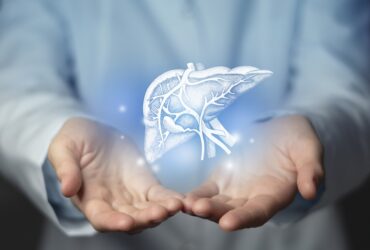
Checking in on blood pressure, blood sugar, LDL cholesterol, and triglycerides, as well as waist circumference, can all help you establish a picture of your heart and overall health.

Blood pressure is ideally less than 120/80. These numbers reflect how hard your heart is working to pump blood and the condition of your blood vessels. Narrow, inflexible arteries cause blood pressure to rise.

A diet rich in potassium and low in sodium and alcohol can help reduce blood pressure. So can regular exercise.

LDL cholesterol should be less than 79 mg/dL. Excess LDL particles lodge inside artery walls, which contribute to inflammation and atherosclerosis.
Triglycerides should be kept lower than 150 mg/dL. These are the most common form of fat in the blood. However, they’re generally less well-known than cholesterol. They come from food to provide energy for your body.

Extra calories, alcohol, and sugar that the body can’t use are turned into triglycerides and stored in fat cells. High levels can boost the risk of heart attack and stroke.

You can lower triglycerides by limiting foods with unhealthy fats and sugar, eating foods that are rich in omega-3s, and avoiding alcohol.

Blood sugar should be less than 100 mg/dL (fasting). High blood sugar damages blood vessel walls and causes sugar to attach to LDL. It can also boost the risk of blood clots, which contribute to heart attacks and strokes.

Avoid sugary drinks and snacks.

Waist circumference should be less than 35 inches for women and 40 inches for men. You can measure it just above your belly button.

Belly fat – visceral fat – secretes hormones and other factors contributing to inflammation. Eating less processed foods may be the best way to cut down your waist size.

Exercise Can Help Get Rid of Dangerous Liver Fat

Liver issues medical concept. Photo of female doctor, empty space.Liver fat can be pretty dangerous stuff, yet the only way to get rid of it is by losing weight.

But now there may be another way. New research shows that exercise may help reduce fat around the liver, potentially making a healthier liver more accessible to millions of people with non-alcoholic fatty liver disease (NAFLD).

NAFLD can be quite dangerous to long-term health. Liver fat can cause inflammation and scarring, leading to liver fibrosis, cirrhosis, and end-stage liver disease. There is no cure for these conditions except for limiting liver fat storage.

A new study shows that about 150 minutes per week of moderate-intensity exercise – the exact amount recommended by public health experts – can significantly reduce liver fat in people with NAFLD.

For the study, researchers considered a 30 percent reduction in lover fat – measure by MRI scans, to be a meaningful improvement. They also reviewed 14 randomized controlled trials, so the work included a total of 551 participants.
The researchers found that exercise was 3.5 times more likely to achieve this 30 percent reduction in liver fat independent of weight loss compared to standard care.

They then found the optimal dose of exercise, learning that 39 percent of patients who exercised briskly for 150 minutes per week or more achieved a greater treatment response than 26 percent who exercised less.

Moderate exercise would be a brisk walk where you might start getting sweaty but can still converse with a walking partner. Light cycling is another example.

If you’ve got NAFLD or would like to give yourself a better chance at preventing it, start moving more. Don’t get caught up on all the numbers. Focus on making exercise a part of your daily routine.

The more physical activity you’re getting, the better, even if it doesn’t lead to weight loss.

Sleeping For Less Hours at Night Doubles the Risk of Clogged Leg Arteries: Study

Shot of a young woman recovering from an illness in bed at homeIf sleeping is difficult, you may be at a higher risk for clogged arteries. New research suggests that inadequate sleep could seriously affect your health by raising your risk of developing peripheral artery disease (PAD) by 74%. This serious condition is associated with cardiovascular diseases like stroke and heart attack.


In this blog post, we’ll be looking at what constitutes healthy sleep habits and what you can do to reduce your risk. Read on to learn how getting enough shuteye can help you stay healthier!

Peripheral artery disease (PAD) is a prevalent yet often underdiagnosed condition affecting more than 200 million people worldwide. This vascular disease occurs when arteries in the legs become clogged with fatty deposits, resulting in restricted blood flow. As blood circulation is essential for delivering oxygen and nutrients to the body’s organs and tissues, the decrease in blood flow caused by PAD can have severe consequences.

Among the most significant risks are stroke and heart attack, both of which can be life-threatening. Understanding the importance of early diagnosis and proper management of PAD is crucial, as it can help maintain overall cardiovascular health and potentially prevent catastrophic events. By raising awareness about this condition, individuals to take charge of their health and seek appropriate care when necessary.
The Study

The study that found the link between sleep and PAD included more than 650,000 participants and was conducted in two parts. The first part of the study involved analyzing the associations of sleep duration and daytime napping with the risk of PAD. For the second part, researchers looked at genetic data and performed naturally randomized controlled trials to examine the causality of the association.

Researchers found that sleeping less than five hours a night was associated with a nearly doubled risk of PAD compared with seven to eight hours.

“The results indicate that brief night-time sleep can raise the chance of developing PAD, and that having PAD increases the risk of getting insufficient sleep,” said study author Dr. Shuai Yuan.

He added, “More research is needed on how to interrupt the bidirectional link between short sleep and PAD. Lifestyle changes that help people get more sleep, such as being physically active, may lower the risk of developing PAD. For patients with PAD, optimizing pain management could enable them to have a good night’s sleep.”

Studies such as this help healthcare professionals understand the risk of disease for their patients so they can offer the proper guidance on prevention. For those who suffer from sleep issues, it can affect more than just your mood and function the following day. Taking steps to ensure a good night’s sleep is vital for disease prevention.

Maintaining General Health

Sleep Sure Plus is designed to help promote optimal sleep and restfulness through a variety of ingredients. One of the most important ingredients included in this unique formula is melatonin. Melatonin is a hormone that is essential for the regulation of the circadian rhythm (the internal clock of the body). Sleep Sure Plus also contains valerian, one of the best natural ingredients for promoting rest and relaxation. These two essential ingredients are joined by another 6, which all work together to provide a better quality of sleep.

As you age, your arteries may need a helping hand to stay strong and healthy. Clinical Strength Artery Support is designed to give your arteries the circulation support it needs. Through a powerful combination of traditional and modern ingredients, including L-citrulline, green coffee extract, and green tea extract, Clinical Artery Support helps to improve circulation and heart health.

New Study Shows Eating Less May Give More Life

Studio shot of an attractive young woman eating salad against a pink backgroundA new study suggests the key to living longer could be eating less.

Published in the journal Nature Aging, researchers found that restricting calories could have substantial benefits, including delayed aging.

The study included 220 adults who either made a 25% calorie cut to their diet or made no changes at all. The Body Mass Index of participants ranged from 22 to 27, putting them in the “normal” to “overweight” categories (30 is the threshold for obesity).

Those in the calorie-restricted group were given three prepared meals each day (for the first month) to familiarize them with portion sizes. They were also counseled about their diet for the first 24 weeks of the two-year study. The other group had no counseling or restrictions.

The plan was to have the intervention group cut 500 calories from a 2,000-calorie daily intake, but most only cut it by about half. But even that was enough to cause significant changes.

Researchers used an algorithm based on past data for 1,000 people who were followed for 20 years to see how certain DNA biomarkers changed in the study group. It was described as a “speedometer” to help gauge the pace at which participants aged.
Those that cut their calories slowed aging down by 2–3 percent and reduced the likelihood of dying early by 10-15 percent.

Researchers plan to follow the participants on a restricted diet for ten years. Although it’s not entirely clear why eating less, it is possible that it may prompt cellular changes that help the body clean up.

Of course, there could be some risks to taking calories too low, including malnutrition and frailty.

It might be best to focus not only on how much you’re eating to delay aging, but what you’re eating. There are a ton of benefits to eating a Mediterranean-style diet rich in unprocessed or minimally processed foods.

Fruits and vegetables, for example, are high in nutrition and low in calories. Healthy fats like nuts and oils are higher in calories but offer valuable nutrition. Lean meats, and some fatty ones like fish, are also highly beneficial.

Cutting 250 calories is relatively easy, especially if you’re moving to a healthier lifestyle. To extend your life, it is certainly worth a try!

Olive Oil is Beneficial to Prevent Alzheimer Disease & Lower Cholesterol: Study

Girl choosing bottle of oil in grocery section of supermarket. Copy space. Healthy diet concept. Sustainable lifestyleAs we age, reducing the risk for major illnesses like Alzheimer’s disease or high cholesterol may seem daunting, but simple dietary changes can have a profound effect. One pantry staple that acts as a preventative and curative powerhouse is olive oil.


Recent studies have indicated its potential to reduce the risks associated with Alzheimer’s disease and lower cholesterol levels.
The benefits of olive oil have been well documented, commonly attributed to its polyphenols. However, little attention has been paid to oleic acid, representing 70 to 80 percent of its composition. This is what led a group of professors to examine its benefits.

The diet and synthesis in the body itself produce oleic acid. This means it is the most abundant monounsaturated fatty acid in the human diet and circulatory system. In the brain, it is a major component of membrane phospholipids and abounds in the neuronal myelin sheaths. This study helped to show that decreased levels of oleic acid have been found in the brains of Alzheimer’s disease patients and those suffering from major depressive disorders.

Oleic acid was also found to have a hypocholesterolemic effect which inhibits the expression of proteins associated with cholesterol transport. This can help to reduce cholesterol absorption and help to prevent atherosclerosis.
Oleic acid was also recognized to be an anti-cancer molecule due to its inhibitory effects on the overexpression of programmed cell death. It is also generally considered an anti-inflammatory molecule which can help to reduce the risk of cancer.

While olive oil seems to offer promising health benefits, the authors of this study point out that these findings have been from animal studies. So, more research is needed to confirm the significant properties in humans.

Reducing Cholesterol and the Risk of Cognitive Decline

While some degree of cognitive decline is nearly inevitable as you age, other factors can take a toll on the ability of the brain to function at peak potential. This can affect memory, concentration, and overall brain function.

The Smart Pill can help to enhance cognitive function and memory through 9 ingredients that help to support, nourish, and maximize brain health. These include ginkgo biloba, huperzine A, bacopa extract, rosemary extract, and a B vitamin complex. This unique formula helps to boost circulation, fight free radicals, and provide nutritional support to assist with cognitive function.

Clinical Strength Cholesterol Support helps lower LDL (bad cholesterol) and increase HDL (good cholesterol) to help keep the body’s cholesterol healthy. Its unique formula uses a powerful combination of Artichoke extract, CoQ10, garlic extract and B vitamins to help improve cholesterol and cardiovascular health. Backed by strong science, the ingredients in Clinical Strength Cholesterol Support make for an excellent addition to your daily supplement routine to help with cardiovascular health.

Daily Steps to Keep Inflammation in Check

Close up of stylish woman's hand standing and holding reusable insulated stainless water bottle. Environmental, Eco friendly lifestyle, zero waste, plastic free, green and sustainable living concept.What do a mattress, toothbrush, salmon, and sneakers have in common?


They may all be able to help you fight against chronic inflammation – a persistent state of immune system activity that’s linked to several health problems and risks. The more healthy habits you have, the better chance you’ll have at limiting inflammation and disease risk.

Inflammation is the body’s natural way of keeping you healthy. If you get injured or become infected by a microbe, your body sends out cells to attack, isolate, and repair. But sometimes lifestyle habits keep the immune response going, and it can impair healthy tissue.

On the other hand, certain lifestyle habits can counter inflammation. A healthful diet, regular exercise, sound sleep, good oral health, and relaxation can all help keep inflammation in check.
Eat Fatty Fish Twice Per Week: Two servings of fatty fish per week is linked with better long-term health and lower levels of inflammation. Salmon, anchovies, halibut, sardines, and tuna contain omega-3 fatty acids that disrupt the production of chemicals that cause inflammation.

Get a Comfy Mattress: Is your mattress making you toss and turn through the night? Even one night of disturbed sleep can increase inflammation. Further, regularly missing sleep can contribute to obesity, which is also linked to inflammation.

Even if your mattress is good, look at other ways to improve sleep, like minimizing food intake in the evening, relaxing before bed, and setting a sleep schedule.

Brush Your Teeth Regularly: Brushing twice daily and flossing once a day can help eliminate bacteria that lead to infection and causes inflammation elsewhere in the body.

Go for a Walk: Aerobic exercise – things like walking, jogging, cycling, dancing, etc. – that get the heart and lungs working is a great way to fight inflammation. It may also help produce hormones that keep inflammation in check.

De-Stress: Chronic stress promotes inflammation and is linked to several chronic inflammatory conditions like rheumatoid arthritis, cardiovascular disease, and more. Deep breathing, yoga, or simply enjoying some more downtime can help.

Being More Flexible with People with Chronic Pain Promotes Their Mental Health: Study

Sad depressed young woman lying on couch at home feeling headache fatigue loneliness, upset tired sick ill teen girl suffer from migraine anxiety, drowsy somnolent teenager rest on sofa after stressDealing with chronic pain can be incredibly challenging, and it may seem impossible to find ways for it not to impact your mental health. However, a recent study has suggested that being flexible when dealing with people suffering from chronic pain could be key to promoting their mental health.

By making accommodations where possible to reduce the impact of this pain on sufferers’ lives, they have been found to have higher psychological well-being levels than those without such support options. It is clear then that providing relief measures for individuals suffering from persistent bouts of discomfort is essential if we seek improved mental health outcomes.

A new study from Edith Cowan University has found that for people living with chronic pain, the extent to which it interferes with their daily life can pose the biggest threat to their mental health. More than 300 people were surveyed and required to answer questions about their mental well-being, their pain intensity, and how much pain interfered with their everyday lives.

The findings of this study suggest that as a result of pain, some people may not have the psychological and physical capacity to participate in activities to help them attain their personal goals. This can lead to a significant implication for their mental well-being.

Previous research has found that physical factors such as injury, sleep, and disease and social factors can significantly affect pain management. This study backs up these claims.

“The good news is that this research showed personal goal flexibility (i.e., the ability to adapt and to adjust to life’s difficulties and obstacles) in how we strive to maintain or achieve the things that matter to us can provide a protective buffer in maintaining and promoting mental well-being,” said Professor Joanne Dickson.

This study helped show that pain interference is reported as more problematic than pain intensity in people with chronic pain. This interference can negatively impact mental well-being. It was also found that goal flexibility and tenacity seem to buffer the negative emotional impacts of pain interference on mental well-being.

Brain Function and Pain Management

For on-the-go pain relief, turn to Pain Eraser, a topical solution that can temporarily ease pain and discomfort on contact. Its powerful pain-reducing abilities come from camphor, a proven natural pain reliever, and menthol, which helps to provide soothing relief to sore and stiff muscles. This convenient spray provides fast-acting relief, whether at home or on the go.

Stress from chronic pain can take a toll on the brain, affecting concentration, memory, and overall cognitive function. The Smart Pill can help counteract these effects through nine ingredients that help support, nourish, and maximize brain health and cognitive function. These include ginkgo biloba, huperzine A, bacopa extract, rosemary extract, and a B vitamin complex. This unique formula helps boost circulation, fight free radicals, and help to promote clear thinking.

Tips on How to Manage & Control Anxiety When It Pops Up

Young calm fit healthy African black woman sitting on floor at home doing yoga breathing exercise, meditating learning online training virtual class on computer. Exercises for mental health concept.Anxiety is normal, but it can become an issue when our worries and fears prevent us from living life to the fullest. Anxiety can be difficult to manage and control when it pops up in our lives.


Fortunately, there are ways to take back control of your worries and begin feeling better again.

In today’s blog post, we’ll give you some helpful tips on how best to manage emergencies involving anxiety so that you can effectively reduce its intensity without causing yourself further distress or harm. Read on for more information!

Anxiety affects people differently, from fear and worry to physical symptoms such as restlessness, headaches, and a racing heart. With anxiety being classified as a mental health disorder for up to 40 million Americans, it’s vital for those affected to understand the value of learning how to cope effectively with anxiety. Therapy is an important form of treatment that can help reduce anxiety, increase awareness of its triggers, and improve overall mental health.

Other beneficial methods for dealing with anxiety could include stress management techniques such as regular exercise and mindfulness practices like yoga, tai chi, or meditation. Whether it is a social anxiety disorder or panic disorder, taking control of it is possible with proper care and intervention, leading to improved mental and physical well-being.

Anxiety disorders are a wide-ranging and complex set of conditions, making it tricky to uncover the exact causes. Fortunately, research has identified several components that could be potentially linked to anxiety. These might include genetic factors beyond our control, such as a family history of anxiety, traumatic experiences during childhood or adulthood, and preexisting mental health issues like depression.

Additionally, anxiety may also be related to physical health conditions such as heart arrhythmias or thyroid disorders; even certain personality types could contribute to anxiety. All these possibilities indicate the importance of being aware of the many factors that can influence anxiety to better understand and aid in treating it.

Some symptoms of anxiety include:

  • Fatigue and Insomnia
  • Heart arrhythmias
  • Diarrhea
  • Feelings of dread
  • Frequent urination
  • Shortness of breath
  • Irritability

There are some lifestyle changes that can help with anxiety such as:

Physical Activity and Healthy Diet – Taking anxiety self-care into your own hands requires making good lifestyle choices, such as eating a healthy diet and reducing alcohol consumption. Eating foods rich in Omega-3 fatty acids, magnesium, and B vitamins can help to reduce anxiety symptoms and promote relaxation.

Additionally, participating in physical activity has been proven to be a great way to help manage anxiety symptoms. Regular exercise can lead to an increased sense of well-being while providing an escape from the stresses of your daily life. Incorporating both dietary and physical activities into your anxiety self-care plan can be highly beneficial in helping you to combat anxiety.

Online Therapy – The use of online therapy can make anxiety-provoking therapies more accessible, as well as offer a wider variety of options for one-on-one counseling.

Additionally, for those who suffer from especially severe anxiety, the flexibility of an online session format may be preferable over making visits to an in-person therapist. Online therapy is an incredibly valuable tool that everyone should consider if they or someone they know is struggling with anxiety.

Meditation – Studies have demonstrated how regular practice of mediation yields significant results, such as lowered anxiety responses when faced with stressful situations. By taking a few minutes each day to practice focused meditation techniques, your anxiety levels can be kept at healthy states.

Furthermore, other health benefits can come from regular meditation practice, including improved concentration and better immune system functioning. Invest a little time into meditation, and you can soon enjoy the benefits it brings.

Through simple lifestyle changes, anxiety symptoms can be reduced. While much more research is needed to understand the condition fully, studies have shown how these easy changes can help.

Managing Mental Health

Reducing anxiety can be tough, but with the help of Anxiety Rescue, you can help to support healthy mood balance and cognitive function. Through various ingredients, this unique formula can help target multiple aspects of stress, mood support, and anxiety. Anxiety Rescue begins to work quickly and improves benefits and support as the weeks go on.

Stress can take a toll on the brain, affecting concentration, memory, and overall cognitive function. The Smart Pill can help counteract these effects through nine ingredients that help support, nourish, and maximize brain health and cognitive function. These include ginkgo biloba, huperzine A, bacopa extract, rosemary extract, and a B vitamin complex. This unique formula helps boost circulation, fight free radicals, and help to promote clear thinking.

Mindfulness May Help You Manage Blood Sugar

Beautiful Asian business woman sitting on a bench relaxing, meditating and performing breathing exercisesIt’s become common knowledge that lifestyle interventions like exercise, a healthy diet, and quality sleep are important in helping people manage type-2 diabetes.


Now there is emerging research suggesting that mind-body practices, like yoga, qigong, mindfulness meditation, guided imagery, and more, may also help manage the condition.

An analysis of multiple studies published in the Journal of Integrative and Complementary Medicine suggests these calming mind/body interventions may play a role in controlling blood sugar levels.

People who participated in any of the following mind-body activities for any length of time lowered their levels of hemoglobin A1C, a key marker for diabetes. On average, the drop was similar to what is experienced by taking the common drug for treating type-2 diabetes, Metformin. The activities were:

• Yoga
• Qigong, which is a slow-moving martial art similar to tai chi
• Mindfulness-based stress reduction, a training program designed to help people manage stress and anxiety
• Meditation
• Guided imagery, visualizing positive images to relax the mind
A1C levels are determined by a blood test and indicate a person’s average blood sugar levels over the previous three months. Levels below 5.7 percent are considered normal, 5.7 percent to 6.5 percent are considered prediabetes, and 6.5 percent and higher are in the diabetes range.

The key to these mind-body practices for blood sugar management may lie in their ability to reduce stress. Relaxation can lower cortisol levels (the stress hormone), which improves insulin resistance and keeps blood sugar levels in check.

Relaxation can help people with diabetes in other ways, like improving blood flow and lowering blood pressure.

It is important to note that the review showed a link between these activities and lower A1C levels but does not prove cause and effect.

In any event, trying to add one of these activities to your daily routine, if only for 10 minutes, may be a worthwhile endeavor to improve overall health.

Eating Banana Will Cure Gastroenteritis but Not Flat Lemonade: Study

Many fresh bananas as backgroundGastroenteritis can be painful and uncomfortable, leaving you feeling rundown and exhausted. But the good news is that natural remedies are available to help manage symptoms – including eating bananas!

In this blog post, we’ll explore why bananas make a great snack for those dealing with gastroenteritis and possible risks and other tips for managing your symptoms. So, if you or someone you know has recently been diagnosed with gastroenteritis, read on to learn more about why adding some banana goodness into your diet can make a difference in how quickly you recover.

While adults can get gastroenteritis, medical professionals have observed an alarming increase in gastroenteritis cases among children. Characterized by symptoms like nausea, vomiting, fever, abdominal pain, headache, muscle aches, and diarrhea, gastroenteritis can be highly uncomfortable and dangerous, especially for young people. This condition can be caused by bacteria or viruses coming into contact with food or water, but gastroenteritis can also spread from person to person. It is important to be particularly mindful of preventing germs from spreading if gastroenteritis has been diagnosed in someone in the household.

The good news is that most people who suffer from gastroenteritis have an uneventful recovery. Still, parents are caregivers need to be aware of the foods and drinks that should be consumed during recovery, as there is a lot of conflicting advice.

One well-known dietary recommendation for gastroenteritis is the BRAT diet. This stands for bananas, rice, applesauce, and toast. As a collection of bland foods, they are meant to be gentle on the gut.

Historically this recommended diet has fallen out of favor since there are no clinical trials on its effectiveness. However, evidence to support it came from studies that demonstrated how each food could help with gastrointestinal recovery. For example, bananas and apples are rich in pectin, creating a gel in the intestines when consumed and can help with diarrhea. Bananas are also rich sources of potassium, which can help replace what is lost during diarrhea.

Research has shown that rice-based oral rehydration solutions can reduce the volume of stools and duration of diarrhea. These rice drinks are made from a mixture of water, rice, glucose, sodium, and potassium salts. One study from Bangladesh found that in infants, persistent diarrhea was improved with a combination of green bananas and rice.

Although this research shows that the BRAT diet does offer some benefits for gastrointestinal issues, over the past 20 years, health professionals have concluded that it may also be unhealthy because it is low in protein, fat, and energy. All of these nutrients are necessary for healing.

Studies have actually shown that following a regular eating pattern rather than a set diet did not worsen the course of gastroenteritis. This conclusion means it is not necessary to restrict a diet for those suffering from gastroenteritis.

Flat soft drinks are also commonly thought to be helpful for those with gastroenteritis. However, research has shown that consuming them to replenish fluids and glucose lost by vomiting and diarrhea may not be a good idea. When the contents of colas and other sodas were compared with commercially available oral rehydration solutions containing electrolytes, it was found that the soft drinks included very low amounts of sodium, potassium, and other electrolytes. In some cases, these drinks contained as much as seven times the amount of glucose recommended by the World Health Organization for rehydration.

So what should you eat if you are experiencing gastroenteritis? Experts recommend foods such as vegetables, fruits, lean meats, and yogurts. Complex carbohydrates such as rice, wheat, bread, potatoes, and cereal are also recommended.

Studies have also concluded that the use of a probiotic and zinc supplementation can help during the recovery from gastroenteritis.

Maintaining Healthy Digestion

Healthy Colon provides an excellent solution to healthy digestion for those suffering from ailments such as gastroenteritis or IBS. The unique blend of ingredients includes natural sources of fiber, herbal ingredients, and probiotics to help prevent constipation and diarrhea.

Poor digestion can impact the absorption of nutrients and vitamins, depriving the body of the valuable nutrients it desires. But Healthy Colon can target a number of causes of digestive issues, promoting overall colon health and wellness.

Five-Star Guarantee of Satisfaction