


Getting Good Sleep Could be Important For Your Heart Health: Study

depressed old man and stressed lying in bed from insomniaWhen it comes to your heart health, getting good sleep is an important factor often overlooked. While exercising regularly and eating a healthy diet are essential for keeping your ticker in good shape, sleep also significantly promotes overall cardiovascular wellness.

Recent studies show that inadequate or disrupted sleep can increase the risk of high blood pressure, stroke, and other serious heart issues — so if you want to keep your heart functioning its best for years to come, making sure you get plenty of quality shuteye should be a top priority on your list!

A study recently presented at the American College of Cardiology’s Annual Scientific Session Together With the World Congress of Cardiology found that young people who have good sleep habits are less likely to die early. The data also suggested that about 8% of deaths from any cause may be due to poor sleep patterns.

For the analysis, the research team included data from 172,321 people with an average age of 50 who participated in the National Health Interview Survey between 2013 and 2018. This was the first study to use a national population to examine how several sleep behaviors, not just sleep duration, may influence life expectancy.

All participants were followed for a median of 4.3 years, during which time 8,681 individuals died. Of these deaths, 2,052 (24%) were from cancer, 2,610 deaths (30%) were from cardiovascular disease, and 4,019 (46%) were due to other causes.

Five different factors of quality sleep were assessed for the study using a low-risk score based on answers collected through the survey. Factors included: 1) ideal sleep duration of seven to eight hours a night; 2) difficulty falling asleep no more than two times a week; 3) trouble staying asleep no more than two times a week; 4) not using any sleep medication; and 5) feeling well rested after waking up at least five days a week. All factors were given zero or one point each for a maximum of five points.

It was found that compared to people who had zero to one favorable sleep factor, those who had all five were 30% less likely to diet for any reason, 21% less likely to die from cardiovascular disease, 19% less likely to die from cancer, and 40% less likely to die of causes other than heart diseases or cancer. Researchers believe the other deaths are likely due to accidents, infections, or neurodegenerative diseases such as dementia and Parkinson’s disease.
“Even from a young age, if people can develop these good sleep habits of getting enough sleep, making sure they are sleeping without too many distractions and have good sleep hygiene overall, it can greatly benefit their overall long-term health,” said Frank Qian, MD, co-author of the study. “It’s important for younger people to understand that a lot of health behaviors are cumulative over time. Just like we like to say, ‘it’s never too late to exercise or stop smoking,’ it’s also never too early. And we should be talking about and assessing sleep more often.”

This study helps to outline the importance of sleep for heart health. However, healthcare providers still need to address getting people to practice healthy sleep behaviors. For those suffering from sleep disorders such as sleep apnea, it is vital to get the help needed for a better night’s sleep and to help reduce the chance of cardiovascular events such as heart attack or atrial fibrillation. Researchers hope this study will help people understand the importance of good sleep practices, which can help lower cardiovascular disease incidence.

Promoting Optimal Sleep

Sleep Sure Plus is designed to help promote optimal sleep and restfulness through a variety of ingredients. One of the most important ingredients included in this unique formula is melatonin.

Melatonin is a hormone essential for regulating the circadian rhythm (the internal clock of the body). Sleep Sure Plus also contains valerian, one of the best natural ingredients for promoting rest and relaxation. These two essential ingredients are joined by another 6, which all work together to provide a better quality of sleep.

Sleep is just one way to help keep the heart healthy. Another excellent solution is Heart Rescue, designed to help support and promote cardiovascular health using various ingredients, including omega-3 fatty acids, CoQ10.

The omega-3 fatty acids play an important role in cardiovascular function, while CoQ10 is involved in energy production at the cellular level. These two heart superstars are supported by 5 other ingredients that can help to promote and support cardiovascular function as you age. This formula’s health benefits can help strengthen the heart muscle, support circulation, and help reduce the risk of heart disease.


Exercise Can Be Beneficial For Heart Health Among Postmenopausal Women: Study

Beautiful mature senior woman at home, domestic life and leisure moments - 50-60 years old pretty female adult training in the living roomNew research suggests that exercise can benefit heart health in postmenopausal women. As women age, we can face various health risks, but heart health is one of the most important. Postmenopausal women, who have stopped ovulating and menstruating, can become particularly vulnerable to cardiovascular diseases like stroke, coronary disorder, or atherosclerosis.


Luckily, postmenopausal women can reduce their risk of developing heart conditions by exercising regularly. Recent research shows that physical activity reduces the chances of serious cardiac events in postmenopausal women. Today, we explore why exercise promotes and sustains good heart health among this population.

This new research examined data from 35 different studies and found that in two-thirds of studies, participants showed improved endothelial function with positive changes in the large and small blood vessels with regular exercise.

Endothelial cells are one of the most important components of a healthy heart. They line the interior of our blood vessels and play a critical role in maintaining vascular function. Endothelial cells serve as indicators of heart health because their effectiveness is correlated with atherosclerosis development, which describes plaque buildup on artery walls. Endothelial cell health is vital for optimal heart health, making it an important biological marker for physicians to consider when evaluating cardiovascular disease risk.

“When that function starts to decline, they actually make the artery more prone to the development of atherosclerosis, because healthy endothelial cells are protective against the development of atherosclerotic plaque,” explained Kyra Pyke, a co-author of the study.

Exercise has previously been shown to help with endothelial function in general as it increases blood flow to muscles, including the heart. The friction of blood moving through the blood vessels stimulates the endothelial cells and increases the activity of an enzyme that creates nitric oxide.
“Nitric oxide is important to the function of the endothelial cells because it helps support the dilation of blood vessels, which is important for the delivery of oxygen to tissue,” explains Pyke.

These findings showed a beneficial effect on the lining of the arteries in postmenopausal women, possibly preventing heart diseases such as coronary heart disease. However, researchers stress the need for more knowledge to fill the gaps in understanding how exercise can affect menopausal women specifically. Many studies are done only with male participants or don’t distinguish between male and female participants, but since sex hormones can affect endothelial function, it is vital to consider the effects on men and women separately.

Promoting Heart Health

Keeping the heart healthy throughout life is vital, so Heart Rescue was designed to help support and promote cardiovascular health using a variety of ingredients, including omega-3 fatty acids, CoQ10. The omega-3 fatty acids play an important role in cardiovascular function, while CoQ10 is involved in energy production at the cellular level. These two heart superstars are supported by 5 other ingredients that can help to promote and support cardiovascular function as you age. This formula’s health benefits can help strengthen the heart muscle, support circulation, and help reduce the risk of heart disease.

CoQ10 is a vital nutrient needed to promote healthy cardiovascular function. However, research has shown that CoQ10 levels can decline with stress, age, and cholesterol-lowering statin use. Due to this decline, it is essential to help support and maintain CoQ10 levels.

The major issue with standard CoQ10 supplementation is that it is a large, fat-soluble molecule that is poorly absorbed in the body. However, CoQ10 Premium Gold gets around this issue by supplying a water-soluble form of CoQ10 for superior absorption by the body. This gives the body the CoQ10 it needs to support energy production and help maintain cardiovascular health.

Want to Start a Healthy Walking Habit? Here’s How

Senior couple holding hands and walking in parkThere’s never a bad time to start a walking routine. It doesn’t take much time, and all you need is some comfortable and supportive shoes (or boots).

Compared to the cost of a gym membership or equipment, the cost is small, and the best part may be that the schedule is extremely flexible.

Walking is a great way to work out because it is easy to integrate into your daily life. You can fit it in when you’re just lounging around the house or hanging out in your neighborhood.

There are several health benefits linked to walking more, including:
• Better sleep
• Improved memory
• Enhanced thinking
• Less anxiety
• Fewer sugar cravings
• Less joint pain
• Stronger immunity
• Lower blood pressure
• Reduced risk for type-2 diabetes
• Improved blood flow to the body and brain

How can you incorporate more useful walking into your day?

One way is to break up long bouts of exercise into shorter ones. If you’re not capable or don’t have time to walk for 30 straight minutes per day, break it down into three 10-minute or five six-minute sessions.
Assess where you currently are and progressively increase your walking time from there. You may want to wear a step counter for a few days to get an idea of how much you’re walking, then try to add 500 more per day for the week. Next week, try another 500.

Avoid just jumping in and saying you’re going to walk five miles per day. Doing so would likely be unsustainable and result in injury. Goals are more achievable when they are incremental and give your body time to progress.

When you’re just starting out, try five minutes of slower-paced walking at the beginning and the end of each walk. Between the warm-up and cool-down, you’ll want to walk at a pace where you’re breathing relatively hard but still able to talk. Ideally, you’ll be at that pace for 20 minutes.

While walking, keep your shoulders relaxed, your head upright, and your chin looking forward. Walk on an imaginary line in front of you, with your heel striking the ground first on each step.

Seven Healthy Habits May Play A Role in Reducing The Risk Of Dementia: Study

Sad senior old woman. Lonely from loss or sick with headache. Upset patient in retirement home with stress or pain. Alzheimer, depression, senility or dementia. Disorder, migraine or insomnia.As we age, one of the greatest fears is developing dementia. While some risk factors, such as aging and genetics, are not fully within our control, research has revealed that certain lifestyle habits can help reduce the chances of developing this condition.
In particular, maintaining a healthy diet, exercising regularly, and getting plenty of sleep have all been linked to decreasing dementia risks. Read on to learn more about these seven healthy habits which could play an important role in keeping your memory sharp and reducing your chance of dementia.

Since dementia can begin in the brain decades before diagnosis, it’s vital to learn how lifestyle habits during middle age can affect the risk of dementia later in life.

New research presented at the American Academy of Neurology’s Annual Meeting shows how seven healthy lifestyle factors and habits may play a role in lowering the risk of dementia. The seven brain and cardiovascular health factors, known as the American Heart Association’s Life’s Simple 7, are: eating better, getting regular exercise, not smoking, maintaining a healthy weight, maintaining healthy blood pressure, controlling cholesterol, and having low blood sugar.

The study included 13,720 female participants with an average age of 54 at the beginning of the study. After 20 years of follow-up, Medicare data was used to identify those diagnosed with dementia. It was found that 13%, or 1,771 participants developed dementia.

When analyzing the seven health factors, participants were given a score of zero for poor or intermediate health and one point for ideal health for a possible top score of 7. The average score was 4.3 at the start of the study and 4.2 at the 10-year mark.

After adjusting for factors such as education and age, researchers found that each increase of one point in the score decreased the risk of dementia by 6%.
“It can be empowering for people to know that by taking steps such as exercising for half an hour a day or keeping their blood pressure under control, they can reduce their risk of dementia,” said Pamela Rist, ScD, a member of the American Academy of Neurology.

With just seven simple lifestyle changes, you can help reduce the risk of dementia. More and more studies suggest the importance of taking steps in middle age to help prevent the onset of chronic illness and disease later in life. With dementia cases predicted to rise worldwide, taking the necessary steps to help people understand how to prevent the disease is vital.

Protecting Brain Health

While some degree of cognitive decline is nearly inevitable as you age, this study shows how seven factors can help the brain to continue functioning at peak potential. Simple lifestyle changes can improve memory, concentration, and overall brain function.

The Smart Pill can also help to enhance cognitive function and memory through 9 ingredients that help to support, nourish, and maximize brain health. These include ginkgo biloba, huperzine A, bacopa extract, rosemary extract, and a B vitamin complex. The formulation of these ingredients is an excellent way to help fight free radicals, boost circulation, and provide nutritional support to assist with cognitive function.

Have a Plan to Help with Back Pain

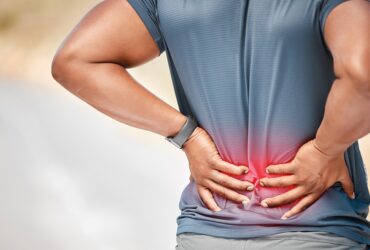
This injury is really getting in the way of progressBack pain is a common ailment that has a variety of causes. In some cases, it’s caused by an acute injury, while in most others, it is a result of weakness or sedentary living.
A simple movement, like bending at the hips to tie your shoe or pick up a delivered parcel, can cause you to “throw your back out” at any given moment, sometimes leading to debilitating pain that lasts weeks.

Sometimes back pain can happen and last for months with no apparent origin.

Given the myriad causes that contribute to back pain, there is no one-size fits all approach. Further, the scientific evidence for different treatments is not always clear-cut. There are, however, things you can do to help get the best result.

One of the things you can do is get the most accurate possible diagnosis of the type of disorder that is causing the pain. When the cause of the pain is identified, you can choose from the appropriate options.

Get someone experienced and certified to look at it. When someone understands the type of problem you have, they can offer the best recommendations for treatment.

Work with your doctor in deciding your care – this is called being an “active participant.” It means fully understanding the risks and benefits of the various treatments you’re considering and other alternative treatments that could be available.
Don’t be afraid to ask for a second opinion if your doctor recommends an invasive, experimental, or expensive treatment. Doctors tend to welcome it when patients fully participate in health care and should support your request.

Sometimes a second set of eyes can be the difference between surgery or an expense like a chiropractor compared to working with a physiotherapist.

Back pain, when not the result of an acute injury, can often be treated with more movement and muscle-strengthening through inexpensive measures.

Getting to a physiotherapist can be very helpful, provided you perform the prescribed mobility and strengthening movements at home.

Daily Marijuana Consumption Is Linked to Heart Diseases: Study

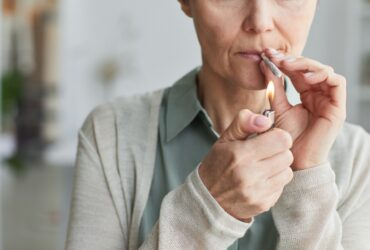
Close up of unrecognizable mature woman lighting cigarette while smoking for medicinal purposes, copy spaceAre you aware that consuming marijuana daily could eventually lead to a greater risk of heart disease?
Recent studies show there is growing evidence linking regular marijuana use and an increased chance of developing cardiovascular health problems. As more states continue to legalize the drug, understanding the risks associated with its consumption can be essential for protecting your overall well-being.

In this blog post, we’ll explore how daily marijuana use has been linked to heart diseases and potential steps you can take to make sure your body stays safe.

One study, in particular, gained attention from the American College of Cardiology’s Annual Scientific Session with the World Congress of Cardiology. This study is among the largest and most comprehensive, examining the potential long-term cardiovascular implications of using marijuana regularly. Previous studies have reported somewhat fixed findings on the link between heart disease and cannabis use. Some suggest that smoking marijuana can increase the risk of stroke, heart attack, and other cardiac events, particularly in younger people.

This new study used information from the All of Us Research Program of the National Institutes of Health, which included data about the health and habits of 175,000 people. Researchers examined the relationship between cannabis use frequency and coronary artery disease (CAD) rates.

Coronary artery disease, also known as coronary heart disease, is a form of heart disease caused by the narrowing and hardening of coronary arteries that supply the organ with blood. This occurs due to fat deposits in the coronary arteries and can significantly reduce the amount of oxygenated blood sent to the heart. If left untreated, coronary artery disease can lead to chest pain and even death from a heart attack or stroke.

For the study, researchers used Mendelian randomization, a genetics-based approach to identify a link between CAD and cannabis use disorder. This type of disorder is a recognized psychiatric disorder that involves frequent marijuana use and dependency.
After adjusting for sex, age, and cardiovascular risk factors, researchers found that daily cannabis users were 34% more likely to develop CAD than those who never used marijuana. Those who were monthly cannabis users were not associated with a significant increase in the risk of CAD.

“We found that cannabis use is linked to CAD, and there seems to be a dose-response relationship in that more frequent cannabis use is associated with a higher risk of CAD,” said Ishan Paranjpe, MD, the study’s lead author. “In terms of the public health message, it shows that there are probably certain harms of cannabis use that weren’t recognized before, and people should take that into account.”

Previous studies have found that tetrahydrocannabinol (THC), the molecule responsible for the psychoactive effects of cannabis, interacts with the receptors found in the central nervous system, heart, and blood vessels. Researchers believe this interaction may provide a pathway for cannabis to promote the buildup of plaque and inflammation, which may ultimately lead to CAD.

Keeping the Heart Healthy

Keeping the heart strong and healthy is vital for enjoying a high quality of life as you age. Heart Rescue was designed to help support and promote cardiovascular health using a variety of ingredients, including omega-3 fatty acids, CoQ10, magnesium, and hawthorn extract. This formula’s health benefits can help strengthen the heart muscle, support circulation, and help reduce the risk of heart disease.

CoQ10 is a vital nutrient needed to promote healthy cardiovascular function. However, research has shown that CoQ10 levels can decline with stress, age, and cholesterol-lowering statin use. Due to this decline, it is essential to help support and maintain CoQ10 levels.

The major issue with standard CoQ10 supplementation is that it is a large, fat-soluble molecule that is poorly absorbed in the body. However, CoQ10 Premium Gold gets around this issue by supplying a water-soluble form of CoQ10 for superior absorption by the body. This gives the body the CoQ10 it needs to support energy production and help maintain cardiovascular health.

Life Can Be Draining. Here Are a Few Ways to Refill Your Cup

Healthy lifestyle on ketogenic diet, eating clean keto food good health dietary in heart dish with aerobic body exercise, gym workout training class , weight scale and sports shoes in fitness centerThere is no shortage of things to zap you emotionally or physically. Family responsibilities, a draining job, financial struggles, and more can all leave you feeling burned out, exhausted, and ragged.
It can make it hard to care about anything and leave you feeling like you have nothing to give.

That’s called burnout, and it can lead to depression, anxiety, relationship damage, and inability to function at home, work, or wherever.

It is possible, however, to refill your cup and slowly add back some energy and joy to your life.

Carving out time for yourself is one place to start. Taking a little time for yourself is not a luxury; it’s essential to self-care. Slow down and give yourself the opportunity to rest and rejuvenate. Schedule 10-15 minutes a couple of times per day if you have to, take a look at your week or month, and be selective about the things you say “yes” to.

You can also make a commitment to better physical health. A strong body can help balance stressful situations that may have caused burnout. Do some moderate-intensity exercise, like walking, dancing, cycling, etc., every day. This kind of movement releases chemicals that can regulate mood, sleep, and a number of other body systems.
A good diet can also help. Eating junk food loaded with sugar, salt, and saturated fat can contribute to chronic stress, fatigue, depression, and anxiety. On the other hand, unprocessed foods like vegetables, fruits, whole grains, legumes, lean proteins, and unsaturated fat can help you feel better.

If timing is an issue, consider making a few one-pot meals per week and eating leftovers.

Making your space more comfortable can help, too. The Danish concept of Hygge (pronounced Hoo-ga) is the concept of cozy comfort to bring happiness and contentment.

Surrounding yourself with activities, people, and things that make you feel cozy, loved, happy, or content can help battle burnout. This could be as simple as taking time to drink a warm cup of tea in cozy slippers with a candle. Anything you find soothing and nourishing can help.

Depression is Common Experience for Stroke Survivors: Study

Frustrated unhealthy senior mature man touching head, having painful feelings sitting alone at home. Unhappy middle aged retired grandfather suffering from headache disease indoors.According to a scientific statement from the American Stroke Association, depression is common among stroke survivors. As many as one-third of people who have had a stroke may struggle with feelings of sadness and despair that can be debilitating.
Far too often, depression is overlooked and underdiagnosed and can have an enormous negative impact on the quality of life for those who are going through it—but it doesn’t have to remain that way.

A proper diagnosis plus effective treatments can make a world of difference in helping people recover from the emotional trauma associated with their strokes. In this blog post, we’ll discuss what you need to know about depression after suffering a stroke: its causes, risk factors and symptoms, along with strategies that may help manage your condition.

The American Stroke Association suggests that stroke survivors who experience depression should seek evaluation and treatment. People who have had a stroke may suffer from a disruption of sleep, eating, continence, and other bodily functions, so self-care is critical. This should include reaching out to family and friends for emotional support. Unfortunately, both stroke and depression still carry some social stigma, and many stroke survivors are reluctant to seek help. They may also need extra support to acknowledge the symptoms of depression.

“Depression following a stroke can be a normal psychological reaction to the stress of the injury, disability or brush with mortality brought on by the stroke,” said Lee H. Schwamm, M.D., an American Heart Association volunteer. “In other cases, it may be caused by structural, electrical or biochemical changes in the brain. If certain brain regions are injured, the systems that regulate emotion may be damaged, producing depression, anxiety, or PTSD-like symptoms in stroke survivors. Depression and stroke are both examples of the many conditions which threaten brain health.”
Sen. John Fetterman, who had a stroke in May of 2022 and sought treatment for depression, has brought media attention related to stroke and depression. Fortunately, with this attention, the public has become more aware of the importance of depression treatments.

For those with depression, a combination of counseling, stress reduction, medication, and regular exercise can be helpful. Proper treatment of depression can not only improve mood, but it can also boost physical, intellectual, and cognitive recovery. Previous studies have shown that depression goes hand in hand with lower levels of social support, so reaching out to family and friends can be paramount for a stroke survivor’s long-term mental well-being.

Supporting Brain Health

While some degree of cognitive decline is nearly inevitable as you age, other numerous factors can take a toll on the ability of the brain to function at peak potential. This can affect memory, concentration, and overall brain function. The Smart Pill can help to enhance cognitive function and memory through 9 ingredients that help to support, nourish, and maximize brain health. These include ginkgo biloba, huperzine A, bacopa extract, rosemary extract, and a B vitamin complex. This unique formula helps to boost circulation, fight free radicals, and provide nutritional support to assist with cognitive function.

It can be tough for those who struggle with mood issues and anxiety to reduce symptoms. However, with the help of Anxiety Rescue, you can help to support healthy mood balance and cognitive function. Through various ingredients, this unique formula can help target multiple aspects of stress, mood support, and anxiety. Anxiety Rescue begins to work quickly and improves benefits and support as the weeks go on.

Is Aspirin Good for Your Bones, Too?

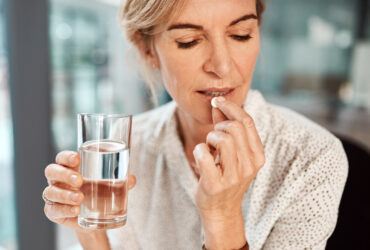
Shot of a mature businesswoman taking medication in an officeIf there’s ever been a wonder drug, it’s Aspirin. Not only is it a pain reliever, but there is also evidence that it can reduce the risk of heart attack and stroke.
Some research has also linked it to better bone health and a lower risk of fractures. Now a recent study has looked more closely at its potential benefit to bones.

It can be kind of surprising to think that Aspirin would have any effect on bone health or the risk of fractures. Some believe it may encourage the development and survival of bone marrow cells involved in bone formation. There is also some evidence to suggest it may inhibit cells that break bone down.

One observational review found that aspirin use could reduce fracture risk by 17 percent. This study, however, could not prove that Aspirin was the actual reason for the lower number of fractures.

A recently published study, however, was better suited to determine if Aspirin had any benefit to bone health.

Published in JAMA, the study was the first randomized, controlled trial to explore the possible link between Aspirin and bone health. Randomized, controlled trials are considered the gold standard for scientific research.
Nearly 17,000 older adults were randomly assigned to take a low-dose aspirin (100 mg) or an identical placebo every day. They were monitored for fractures or serious falls over five years. Serious falls were those that led to an emergency room hospital admission. The average age of the participants was 55.

The study found that serious falls and fractures were common, experienced by 8.6 percent of those taking Aspirin and 9.5 of those on the placebo. There was virtually no difference in fracture risk between the placebo and aspirin groups.

The aspirin users had a significantly higher risk of serious falls. This could be due to Aspirin’s blood-thinning effect: an injury that may ordinarily cause only minor bruising or bleeding might require medical attention if the person was taking Aspirin.

So even though it might have the moniker of “wonder drug,” this latest study shows it might not be good for every condition.

Sleeping Pills May Help, but They Aren’t the Answer to Getting Better Sleep

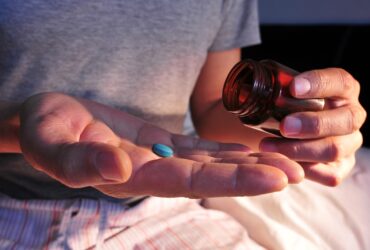
a young man in pajamas in bed about to take a blue pillIt’s not news that most Americans aren’t getting enough sleep. To deal with the shortage, many turn to sleeping pills.


Health officials recently reported that nearly 20 percent of American adults use a drug to help them sleep either occasionally or regularly. Sleep medications, sold both over the counter and by prescription, are common treatments for sleep problems.

Researchers used data from the 2020 National Health Interview Study. They found that among adults 18 and over, 8.4 percent used medication to help them fall asleep on most or every night, while another 10 percent said they used it on some nights.

The research also revealed that women are more likely to use it than men (10 percent and 6 percent, respectively) and that use, at least among men, decreased as income increased.

Many experts believe that sleep medication, both prescribed and over the counter, is overused and poorly used.

Many people start believing that sleep medication is the sole reason they can get shuteye every night. That creates a dependence, which can lead to tolerance, and the belief that sleep can’t be had without them.

Sleep medication can have side effects, like drowsiness and fatigue, similar to what one would feel if one didn’t get a good night’s sleep.
Although getting good sleep is natural and required, it takes effort for some. Sleep is closely tried to stress, so finding ways to manage stress may offer better sleep. Learning mindfulness meditation, yoga, tai chi, and getting more exercise may help.

You can also try writing down your thoughts and ideas during the day so that you aren’t holding onto them and churning through them at night when you’re trying to fall asleep.

Taking some time to relax before bed and avoiding social media and screens may also help. Shut these things down an hour or so before you want to fall asleep.

Lastly, avoid eating large meals, alcohol, and caffeine before bed. Try not to eat or have alcohol within two or three hours of bed, and eliminate caffeine four to six hours before sleep.

Taking these steps may help get you away from sleeping pills. If not, seek the attention of a sleep specialist.

Exercise May Can Help Ease the Pain in Arthritic Knees

Photo of African man sitting on a sofa in the living room at home and touching his knee by the pain during the day. man massaging his painful knee.If you’ve got sore knees caused by osteoarthritis, you may be apprehensive about exercise.


Don’t be. Strengthening the muscles around the joints can ease pain and restore quality to your life.

New research has found that even short bouts of exercise can help to reduce knee pain from osteoarthritis and improve range of motion. Knee osteoarthritis, which is the wear-and-tear form of the disease, occurs when the cartilage between bones breaks down to cause pain, stiffness, and swelling.

Researchers compared the effects of high-dose and low-dose exercise on 189 people with knee osteoarthritis. Everyone exercised thrice per week for 12 weeks, including indoor cycling and various lower-body exercises like de-loaded squats and knee extensions.

De-loaded exercises use bands or pulleys to take the weight off the knee joint and minimize pain.

The high-dose exercise group performed 11 exercises in 60-90 minute sessions, and the low-dose group did five exercises in 20-30 minute sessions.
All the participants showed improvements on a standard scale measuring knee osteoarthritis pain and function at three, six, and 12 months. The high-dose group showed greater improvements during sports and recreation at six months, which indicates it may be better for athletes or those who like to get out and play on the weekend.

Researchers found that adherence to the exercise prescription was high, and that was likely because it was based on a minimal/no pain basis.

If you’ve got knee pain resulting from wear and tear over time, don’t stop moving. Instead, perform exercises to strengthen the muscles around the joint. A large body of research suggests exercise can relieve pain and improve other symptoms.

As this study and others have explored, the best exercises are low-impact exercises. Cycling, swimming, and de-loaded resistance training with bands and pulleys are the best options.

People With Dementia Faces Difficulty Managing Their Finances: Study

Senior man is standing in the kitchen of his home with bills in one hand and a cup of tea in the other. He has a worried expression on his face.For people living with dementia, managing their finances can be a difficult and overwhelming task. Unfortunately, research has consistently shown that an individual’s financial security is affected significantly by memory impairment caused by the condition.


Consequently, these individuals may find themselves unable to keep up with day-to-day financial decisions or keep bank accounts in good order. New research has found financial difficulties were even more prominent during the pandemic.

Awareness of this issue is important so that those with dementia can access the resources available to them and maintain reliable control over their financial situation.

A Digitalization Study

A new study published in the journal Dementia explored how increased digitalization since the COVID-19 pandemic has affected people with dementia and their caregivers. Researchers from the study showed that managing finances has been simplified in some respects since digitization but also complicated in how money is spent and managed. Five themes were identified in the study, including:

• The potential dangers of losing finance management skills early on
• Face-to-face shopping
• Moving to digital
• Fast-tracked digitalization due to COVID-19
• Impact on caregivers

Dr. Clarissa Giebel, senior research fellow, said, “People with dementia are facing increased digitalization when managing their finances—from paying with a debit card in shops to direct debits and managing money online. Research into how people with dementia experience this growing digital interface is limited, so our qualitative study aimed to explore how the pandemic has affected finance management skills in dementia and its impact on unpaid caregivers.”

This study clearly showed some of the downsides of the digitalization of managing money, including taking away face-to-face shopping for older adults. This small change may have big consequences for people with dementia, as in-person shopping has been found to enhance social life and help to maintain established routines and independence for longer.

With the fast-tracked advancement of digitalization, many people with dementia were also left vulnerable when using digital platforms to buy shopping or handle money. Many could not purchase their usual brands or access cheaper products, leading to higher bills.

Many older adults with dementia were not skilled in using digital platforms for banking, leading to increased anxiety. In some cases, caregivers had to prevent their relatives with dementia from using their debit or bank account to avoid unwise financial investments.
The digitalization also impacted caregivers as many had to oversee financial support alongside meal preparation, personal care, and accompanying the person outside the home. This added job caused stress among many caregivers. Banks, utility companies, and other organizations offered little support in financial management tasks.

It is important to note that if someone is having problems handling money and paying bills, it may be an early sign of dementia. Steps must be put into place to help someone who may be struggling, as financial issues can cause frustration and anxiety, leading to worsening mental health.

Enhance Cognitive Function

While some degree of cognitive impairment is nearly inevitable as you age, this study shows how other factors can take a toll on the ability of the brain to function at peak potential. This can affect memory, concentration, and overall brain function.

The Smart Pill can help to enhance cognitive function and memory through 9 ingredients that help to support, nourish, and maximize brain health. These include ginkgo biloba, huperzine A, bacopa extract, rosemary extract, and a B vitamin complex. The formulation of these ingredients is an excellent way to help fight free radicals, boost circulation, and provide nutritional support to assist with cognitive function

Getting Fat? Watch Out for Frailty

Depressed fat man sitting on bed at home, worried about overweight, insecuritiesIf you’re carrying a few extra pounds across your waistline now, it could spell trouble later.


New research suggests that body fat, particularly around the waist, could up the odds for frailty.

The study, published in BMJ Open, found that obese people who’ve packed on pounds around their waist are more likely to develop symptoms of frailty in the future. These include exhaustion, weak grip strength, slow walking speed, and lower activity levels.

Frailty can lead to a higher risk of injury from a fall, a greater likelihood of disability or hospitalization resulting from a fall, a lower quality of life, and premature death.

Frailty may affect as many as 17 percent of older adults, according to the American Academy of Family Physicians.

Researchers tracked more than 4,500 people in Norway for average of 21 years, starting at an average age of 51. Measurements of Body Mass Index (BMI) were taken at the outset.

Waistlines of 37 inches or less for men, or 31 or less for women, were categorized as “normal,” were “moderately high” if they were 37 – 40 inches for men and 32-35 inches, and were considered “high” if above these ranges.
People who were obese at the beginning of the study were 2.5 times as likely to be frail or on the edge of frailty by the study’s end. Likewise, people with a large waist circumference were twice as likely to be frail or pre-frail compared to those with a normal waistline.

Folks with a moderately large waistline were 57 percent as likely to be frail or pre-frail.

Interestingly, the risk of frailty was not seen in those who started with a normal BMI but a moderately large waistline or those who were overweight but had a normal waistline. Higher odds of frailty were seen in people who grew a spare tire.

These findings suggest that obesity and abdominal fat can aggravate age-related declines in muscle strength, aerobic capacity, and physical function. It may also spur increased inflammation, which could contribute to weakness.

To maintain muscle strength and functionality with age, focus on losing fat and building muscle through resistance training.

Women in Menopause Stage Have Higher Cardiovascular Disease Risk

Stressed sad tired exhausted caucasian middle-aged mature businesswoman freelancer relaxing on the couch sofa, thinking about family marriage work problems at work officeOne of the biggest overlooked health issues facing women today is the risks associated with menopause, such as cardiovascular diseases. Although a natural part of aging, many are unaware that this point in life can significantly increase a woman’s chances of developing this disease. From understanding how to prevent and manage it to researching its effects on overall wellness, getting educated about menopause-related risks is essential as you age. Here we’ll discuss why women in the menopausal stage have an increased risk for cardiovascular diseases and provide insight into what proactive steps they should take to protect their long-term health.

During menopause, women can face a plethora of physical and emotional changes. The transition is unlike any other – menopausal women may experience symptoms such as hot flashes and night sweating, irregular periods and mood swings.

Hormonal shifts can also result in physical changes like weight gain, thinning hair, and skin dryness. While menopause marks the end of fertility, it is not an illness – consider it a rite of passage that all women go through in their lives.

While embracing the changes and listening to your body can be helpful, new research shows how getting informed about cardiovascular disease can also help.

As women go through menopause, they produce less estrogen, which can accumulate belly fat. Excess abdominal fat is part of many symptoms known as metabolic syndrome. Other symptoms can include high blood pressure, high triglycerides, low HDL cholesterol, high blood sugar, and abdominal obesity. Women’s arteries can also become more vulnerable to disease, getting thicker and stiffer.

One of the best ways to deal with the cardiovascular risks associated with menopause is by increasing awareness. For example, women should be aware that menopause-related hot flashes and night sweats have been linked to a greater risk of high blood pressure and other cardiovascular events. Research has also found that depression during menopause is strongly linked to higher cardiovascular disease risk.
During this time in a woman’s life, it is vital to make changes and help reduce the risk of cardiovascular disease. For example, increasing physical activity can help to reduce the risk of stroke, heart disease, high blood pressure, cancer, and type 2 diabetes. It can also help to improve sleep, mental health, and weight control.

The guidelines for physical activity are at least 150 minutes of moderate-intensity aerobic exercise, 75 minutes per week of vigorous aerobic exercise or a combination of both. Exercise can be essential to women’s health; it is never too late to add activity to your daily life. Studies also show that the earlier you do, the greater the health benefits!

Supporting Heart Health

Keeping the heart strong and healthy is vital for enjoying a high quality of life as you age. Heart Rescue was designed to help support and promote cardiovascular health using a variety of ingredients, including omega-3 fatty acids, CoQ10, magnesium, and hawthorn extract. This formula’s health benefits can help strengthen the heart muscle, support circulation, and help reduce the risk of heart disease.

CoQ10 is a vital nutrient needed to promote healthy cardiovascular function. However, research has shown that CoQ10 levels can decline with stress, age, and cholesterol-lowering statin use. Due to this decline, it is essential to help support and maintain CoQ10 levels.

The major issue with standard CoQ10 supplementation is that it is a large, fat-soluble molecule that is poorly absorbed in the body. However, CoQ10 Premium Gold gets around this issue by supplying a water-soluble form of CoQ10 for superior absorption by the body. This gives the body the CoQ10 it needs to support energy production and help maintain cardiovascular health.

Five-Star Guarantee of Satisfaction