 Mohan Garikiparithi got his degree in medicine from Osmania University (University of Health Sciences). He practiced clinical medicine for over a decade before he shifted his focus to the field of health communications. During his active practice he served as the head of the Dept. of Microbiology in a diagnostic centre in India. On a three-year communications program in Germany, Mohan developed a keen interest in German Medicine (Homoeopathy), and other alternative systems of medicine. He now advocates treating different medical conditions without the use of traditional drugs. An ardent squash player, Mohan believes in the importance of fitness and wellness.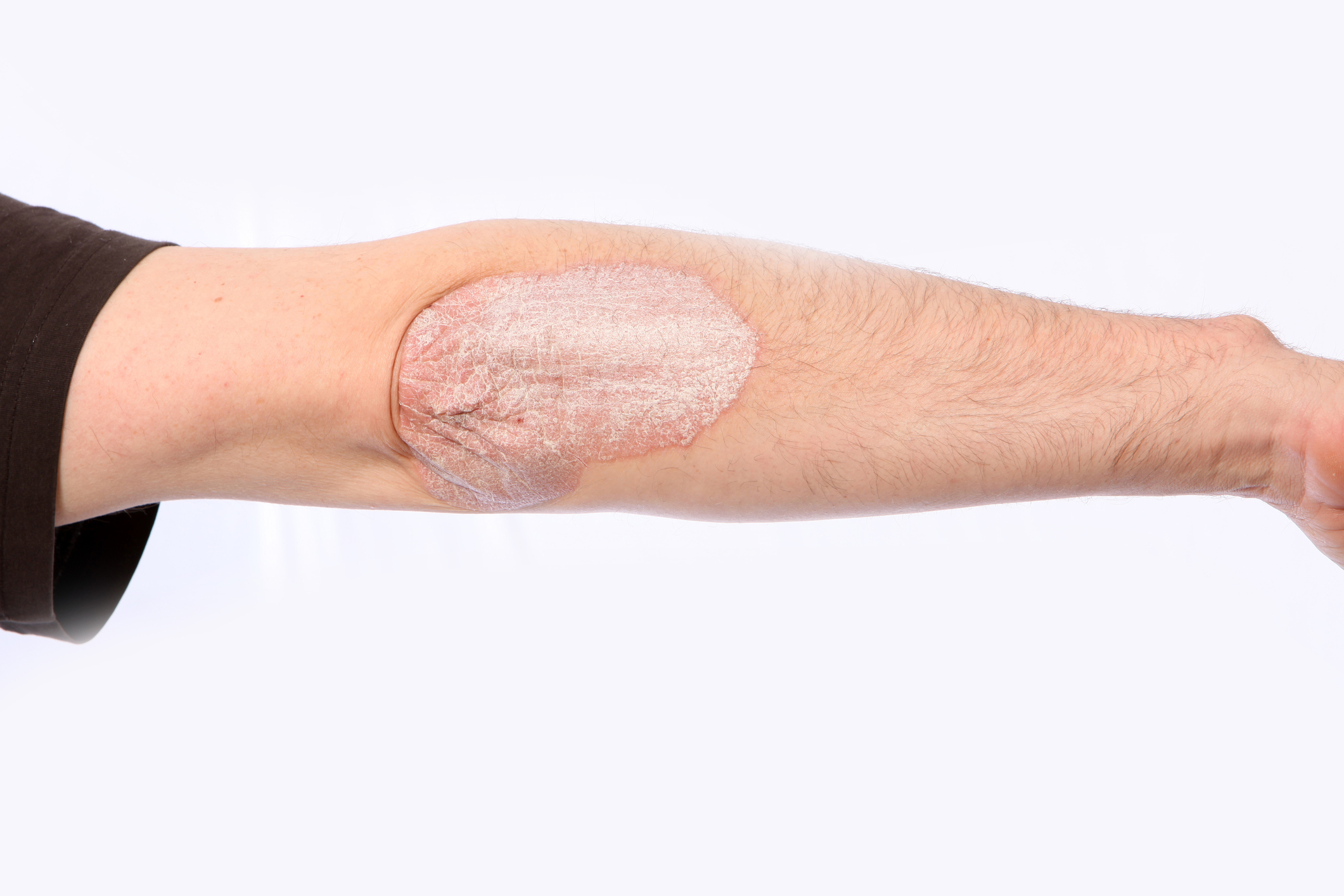
New psoriasis drug found to work longer
A new psoriasis drug has been found to work longer and to have “unprecedented” effects on the skin. The drug is called ixekizumab (Taltz) and has been approved by the FDA in March. The approval came after the first trial, which showed that after 12 weeks the new drug was much more successful in treating ...click here to read more