Devon Andre -Dec 9,2024
Dec 9,2024

Advertisement
Advertisement
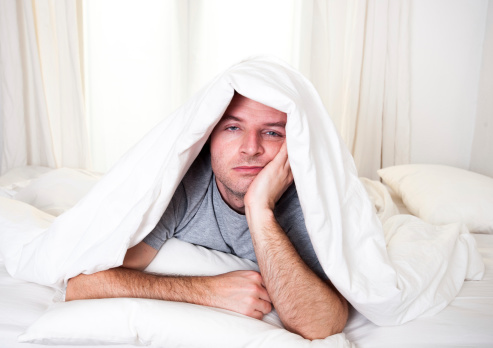
Sleep deprivation, along with a high-fat diet, effects insulin resistance. The latest research found that, when it comes to contributing to insulin resistance, one night of sleep deprivation is equivalent to six months of eating a high-fat diet. Insulin resistance occurs when the body loses its sensitivity to insulin and starts producing more in order ...click here to read more
The medical community has long known that people who suffer from epilepsy experience sudden electrical activity in the brain, and now there is significant evidence suggesting that sleep – particularly sleep deprivation – can trigger epileptic seizures. A lack of sleep is associated with a number of negative health effects, including a suppressed appetite, loss ...click here to read more

Depression, anxiety and obsessive compulsive disorder (OCD) increase the risk of sleepwalking. An estimated 3.6 percent of the adult population in the U.S. are prone to sleepwalking. Researchers from Stanford University School of Medicine have found a link between depression, anxiety and OCD as risk factors of sleepwalking. Sleepwalking is the “arousal of non-REM sleep,” ...click here to read more
Hypothyroidism increases the risk of insulin resistance due to polycystic ovary syndrome (PCOS). PCOS is a common hyperandrogenic disorder affecting women. PCOS increases the risk of obesity, infertility, metabolic syndromes and insulin resistance. It’s reported that 50 to 70 percent of those with PCOS have insulin resistance – a condition where the body does not ...click here to read more
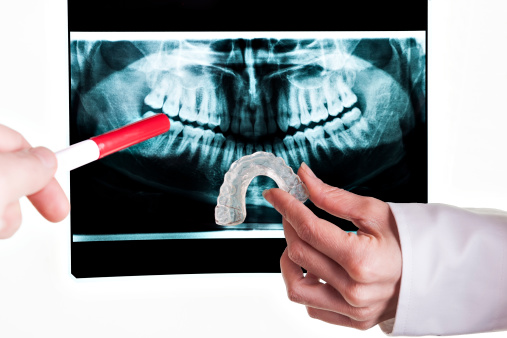
Bruxism, which is essentially teeth grinding, has been linked to obstructive sleep apnea and evidence shows that stress and anxiety also play significant roles in this growing problem. If you grind, clench or gnash your teeth during the day or night you suffer from bruxism. Some people clench their teeth unconsciously. Clenching and teeth grinding ...click here to read more
Advertisement

Tossing and turning, getting cocooned by the sheets, or waking up several times during the night because of your partner’s snoring? (“What? You’re kidding – I don’t snore!” is a common response by your better half.) If this happens on a regular basis, you may be sleep-deprived. You’re bound to wake up feeling groggy and ...click here to read more

Has your husband been acting a little odd lately? Driving too fast, changing car lanes aggressively and cutting people off more than usual? Is he more openly hostile than ever before, while at the same time more sullen and introverted, cutting himself off from friends and family? Toxoplasma gondii, a nasty parasite, courtesy of your ...click here to read more

In Parkinson’s disease, managing orthostatic hypotension improves cognition and balance. Orthostatic hypotension is a form of low blood pressure that occurs when going from a sitting or lying position to a standing one. It’s commonly found in Parkinson’s disease and current recommendations to manage it involve general measures and medications that pose minimum risk or ...click here to read more
There are a lot of unknowns and speculations when it comes to sleep paralysis, Halloween myths, hallucinations, visions and lucid dreaming. Much of it seems like old wives’ tales, but how do you distinguish between what is real and what is simply a myth? Sleep paralysis, when explained by someone who has encountered it, sounds ...click here to read more
Patients with schizophrenia have a higher risk of heart disease and respiratory disease, according to the latest findings. Schizophrenia is a mental disorder characterized by the hearing of voices that do not exist, believing someone else is controlling their mind, and being in a state of distress, which can lead to social withdrawal. Individuals with ...click here to read more
You toss and you turn and, sadly, the next morning you’re more tired than ever. Not getting proper sleep can really put a damper on your daily activities and negatively impact your health. Sleep is vital for the whole body, and without proper sleep you set yourself up for a health disaster. There are many factors ...click here to read more
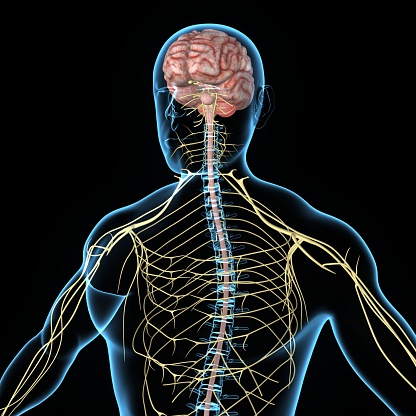
Autonomic neuropathy in diabetic neuropathy has an effect on hypoglycemia symptoms. Autonomic neuropathy is when the nerves that control bodily functions become damaged. Blood pressure, temperature control, digestion, bladder function and sexual function can all be affected by autonomic neuropathy. Normally, nerves send messages to the brain and other organs to ensure they function properly. ...click here to read more

Boosting brain power and keeping a sharp memory are important goals to live a satisfying life. With that in mind, you might want to put down that candy bar and supersized soda and reconsider your options. What you eat (and don’t eat) can affect your waistline, your disease risk and your brain power. Can your ...click here to read more
Does insomnia, a lack of sleep, increase hypertension? When it comes to high blood pressure – or hypertension – there are many factors that come into play: Diet, weight, smoking and alcohol use can all be attributed to your rising blood pressure. In fact, lack of sleep is also a factor. Getting a good night’s ...click here to read more
Five-Star Guarantee of Satisfaction