
Author Archives : Mohan Garikiparithi

Mohan Garikiparithi got his degree in medicine from Osmania University (University of Health Sciences). He practiced clinical medicine for over a decade before he shifted his focus to the field of health communications. During his active practice he served as the head of the Dept. of Microbiology in a diagnostic centre in India. On a three-year communications program in Germany, Mohan developed a keen interest in German Medicine (Homoeopathy), and other alternative systems of medicine. He now advocates treating different medical conditions without the use of traditional drugs. An ardent squash player, Mohan believes in the importance of fitness and wellness.

Advertisement

Arthritis risk detected through blood test

Researchers have found a marker in blood that could reveal the risk of developing rheumatoid arthritis (RA) up to 16 years prior to the start of symptoms. A research team from the Kennedy Institute of Rheumatology at Oxford University found that the blood test looks for antibodies that could accurately predict who will develop RA. ...click here to read more

Fibromyalgia and irritable bowel syndrome (IBS) connection with chronic pain

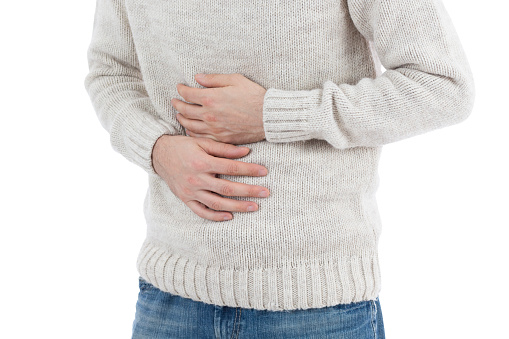
Fibromyalgia and irritable bowel syndrome (IBS) share a connection with chronic pain. IBS is a gastrointestinal condition that affects eight to 20 percent of the population. Fibromyalgia is a condition categorized by allover chronic pain. Symptoms such as skin rashes, muscle contractions and myalgia are reported in two-thirds of IBS patients. Other research has found ...click here to read more

Advertisement

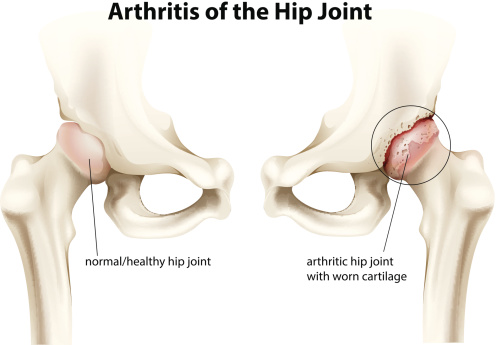
Osteoarthritis of the hip (hip arthritis) causes pain and may be invisible on x-ray

Hip osteoarthritis can cause pain and may not be visible on x-ray. A new study has found that the majority of hip x-rays cannot detect hip osteoarthritis (OA), which can delay treatment of the disease. Hip osteoarthritis is a major cause of morbidity and leads to pain, difficulties walking, and even disability. The prevalence of ...click here to read more

Higher risk of heart disease, diabetes among impotent men

Recent research has found that impotent men are at a higher risk for heart disease, diabetes, and alcohol and drug abuse. Lower testosterone has been found to be linked with higher mortality, cardiovascular disease and other health problems. Lead author, Michael Eisenberg, M.D., said, “For members of this group of reproductive-age men, they usually don’t ...click here to read more

Osteoporosis fracture risk higher with cadmium exposure, kidneys also affected

Osteoporosis fracture risk is higher with cadmium exposure – it also affects the kidneys. Cadmium is a metal element found all around our environment, but is most commonly found in industrial workplaces. The new study revealed that we are exposed to low levels of cadmium daily through food, smoking and even second-hand smoke. It gets ...click here to read more

Celiac disease, gluten sensitivity, linked to increased neuropathy (nerve damage) risk

Celiac disease, gluten sensitivity, is linked to an increased neuropathy (nerve damage) risk. The findings were published in JAMA Neurology, where researchers found a 2.5-fold increased risk of neuropathy. The prevalence of celiac disease is roughly one percent of the popular. The disease is categorized by having a gluten sensitivity. The first reports of celiac ...click here to read more

Bipolar disorder may benefit from omega-3 fatty acids

Research has found a small link between bipolar disorder and omega-3 fatty acids. To achieve their results, researchers compared 27 bipolar patients with 31 individuals without mental illness. The researchers found that those with bipolar disorder had the lowest levels of omega-3 fatty acids. Study lead, Dr. Erika Saunders, said, “Omega-3 and omega-6 fatty acids ...click here to read more

Advertisement