 Devon Andre has been involved in the health and dietary supplement industry for a number of years. Devon has written extensively for Bel Marra Health. He has a Bachelor of Forensic Science from the University of Windsor, and went on to complete a Juris Doctor from the University of Pittsburgh. Devon is keenly aware of trends and new developments in the area of health and wellness. He embraces an active lifestyle combining diet, exercise and healthy choices. By working to inform readers of the options available to them, he hopes to improve their health and quality of life.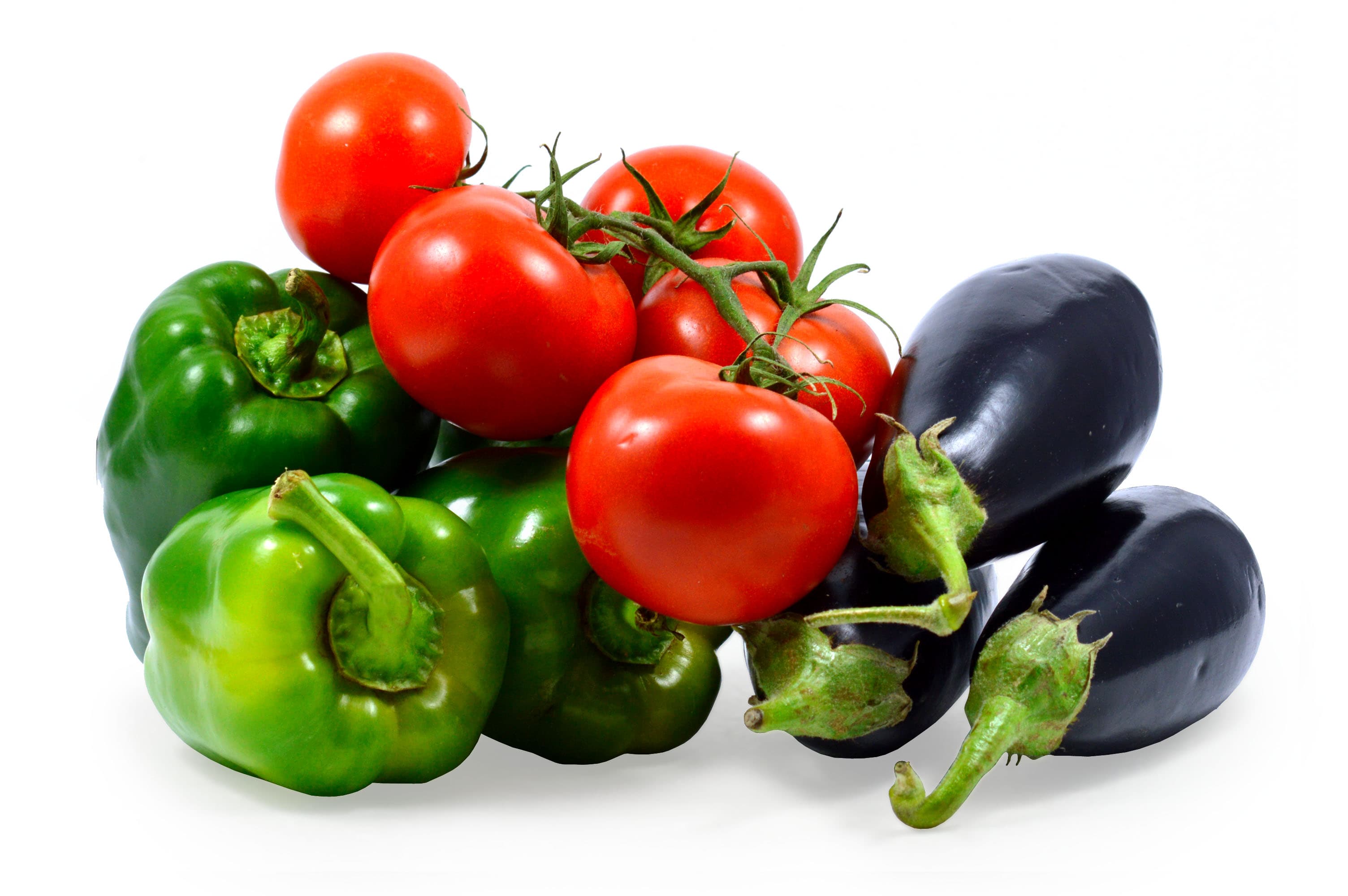
Are These Foods Triggering Inflammation?
You may or may not have heard of nightshade fruits and vegetables. In case you haven’t, let us explain. Nightshades are a group of fruits and vegetables that include tomatoes, eggplant, potatoes, and peppers, which all contain beneficial and toxic components. Tomatoes and eggplants, for example, contain phytonutrients, which are highly beneficial for your health. ...click here to read more