

Author Archives : Mohan Garikiparithi

Mohan Garikiparithi got his degree in medicine from Osmania University (University of Health Sciences). He practiced clinical medicine for over a decade before he shifted his focus to the field of health communications. During his active practice he served as the head of the Dept. of Microbiology in a diagnostic centre in India. On a three-year communications program in Germany, Mohan developed a keen interest in German Medicine (Homoeopathy), and other alternative systems of medicine. He now advocates treating different medical conditions without the use of traditional drugs. An ardent squash player, Mohan believes in the importance of fitness and wellness.

Advertisement

Meniere’s disease causes, symptoms (vertigo, tinnitus, hearing loss) and treatment

Meniere’s disease can lead to symptoms such as vertigo, tinnitus and hearing loss. Eventually Meniere’s disease can progress to deafness. Meniere’s disease is a dysfunction of the endolymphatic sac in the inner ear – also known as the labyrinth. The labyrinth system consists of small fluid-filled channels that send signals to the brain. Estimates show ...click here to read more
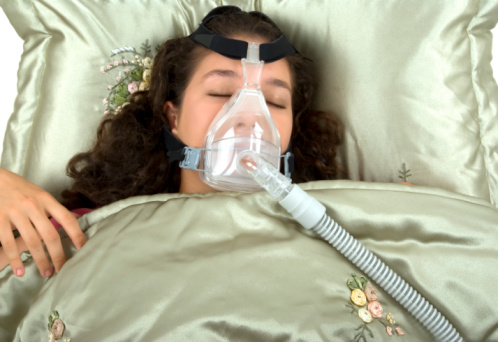
Sleep apnea treatment, CPAP and MADs, helps lower blood pressure

Treating sleep apnea with continuous positive airway pressure (CPAP) and mandibular advancement devices (MADs) can help lower high blood pressure. High blood pressure is a common side effect of sleep apnea – a sleep disorder that causes the individual to stop breathing numerous times a night. Researchers conducted a meta-analysis study comparing the link between ...click here to read more

Multiple sclerosis patients receive help with safe form of estrogen

Relapse-remitting multiple sclerosis (RRMS) patients taking a safe form of estrogen – estriol – along with conventional medications avoided relapse according to a recent UCLA clinical trial. Researchers made observations at the bedside, tested them in labs and brought back the findings to the patients. During the second half of pregnancy, RRMS patients have reduced ...click here to read more

Advertisement

Weight loss protects knees, MRI study

MRI studies have revealed that substantial weight loss can significantly lower degeneration of knee cartilage in individuals who are overweight or obese. Obesity is a risk factor for osteoarthritis, a condition where degeneration of joints occurs. The knees are commonly affected by osteoarthritis. Aging baby boomers are not only at a higher risk of being ...click here to read more

Personally tailored diabetes care effective in women, not men

New research shows that personally tailored diabetes care is effective in women but not in men. Personalized care has been shown to reduce mortality, but only in women. The findings were published in Diabetologia. Between 1989 and 1995 the Diabetes Care in General Practice trial (Denmark) conducted an intervention of structured personalized care in newly diagnosed ...click here to read more

Depression risk rises with high glycemic index foods consumption in postmenopausal women

Aside from being a known diabetes risk, high glycemic index foods have additional side effects. The popular criticisms against sugar center on weight gain and diabetes. But there’s new research to indicate that sugar can have adverse effects on our mental health, too. Foods with high glycemic index scores linked with depression in postmenopausal women ...click here to read more

Eat proteins before carbohydrates to avoid blood sugar (glucose) level spikes in type 2 diabetes

Protein and carbohydrates play an important role in influencing blood sugar levels and type 2 diabetes. Having control over diabetes is an important part of maintaining your health. Roughly 29-million Americans have diabetes. Specifically, the prevalence of diabetes in seniors remains high, with those over 65 years of age representing 25.9% of that statistic. We are aware ...click here to read more

Advertisement