
Author Archives : Mohan Garikiparithi

Mohan Garikiparithi got his degree in medicine from Osmania University (University of Health Sciences). He practiced clinical medicine for over a decade before he shifted his focus to the field of health communications. During his active practice he served as the head of the Dept. of Microbiology in a diagnostic centre in India. On a three-year communications program in Germany, Mohan developed a keen interest in German Medicine (Homoeopathy), and other alternative systems of medicine. He now advocates treating different medical conditions without the use of traditional drugs. An ardent squash player, Mohan believes in the importance of fitness and wellness.

Advertisement

‘Divorce season’ occurs after winter and summer holidays

Couples are more likely to break up during the so-called divorce season, which usually follows summer and winter holidays. Researcher Julie Brines explained, “People tend to face the holidays with rising expectations, despite what disappointments they might have had in years past. They represent periods in the year when there’s the anticipation or the opportunity ...click here to read more
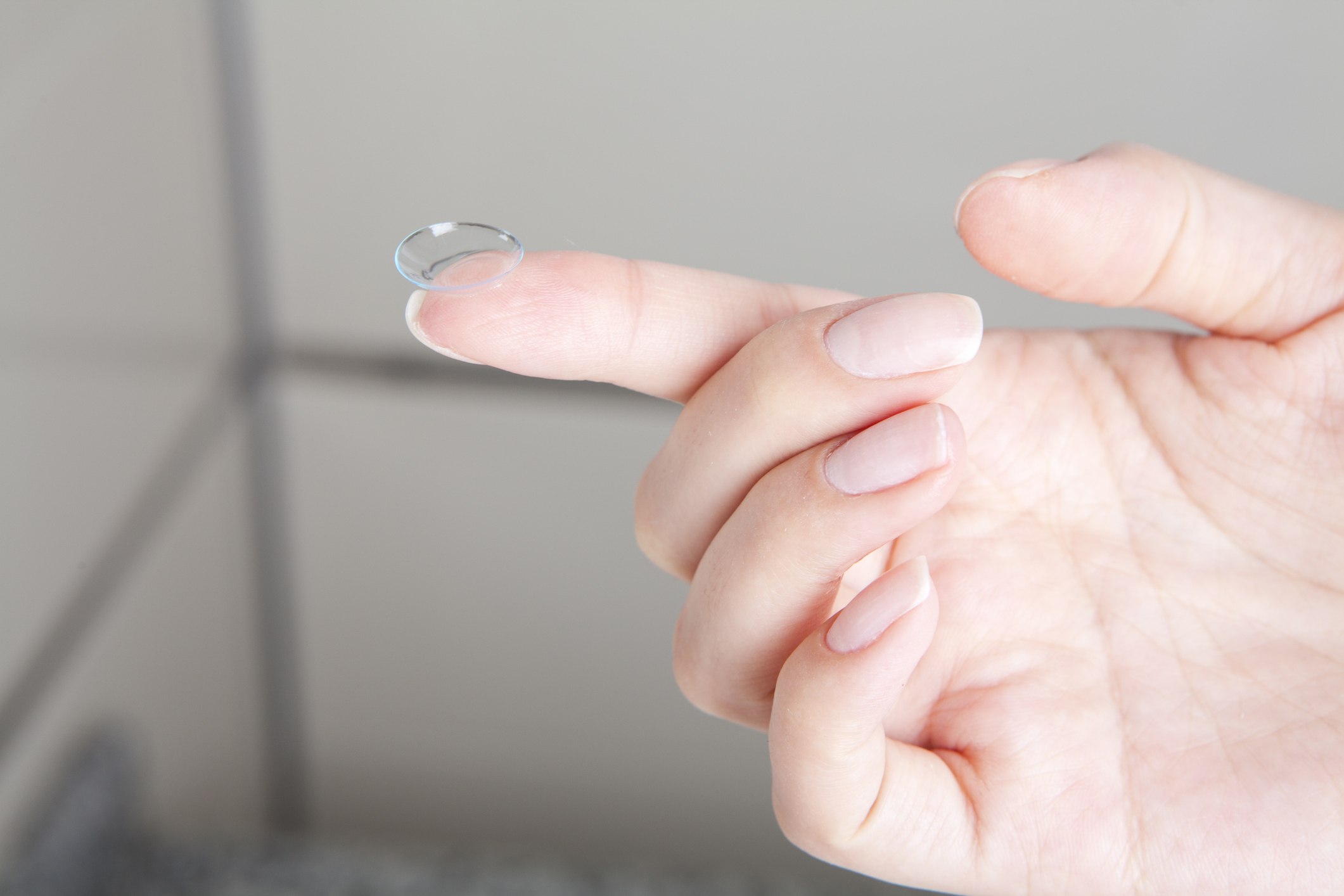
Contact lens eye infection: Risk and prevention

Contact lenses may alter eye bacteria, making eye microbiome more skin-like. In the study of 58 adults, the researchers found that contact lenses induced changes in the eye microbiome, with higher proportions of the skin bacteria such as Pseudomonas, Acinetobacter, Methylobacterium, and Lactobacillus, and lower proportions of Haemophilus, Streptococcus, Staphylococcus, and Corynebacterium. The researchers are ...click here to read more

Advertisement

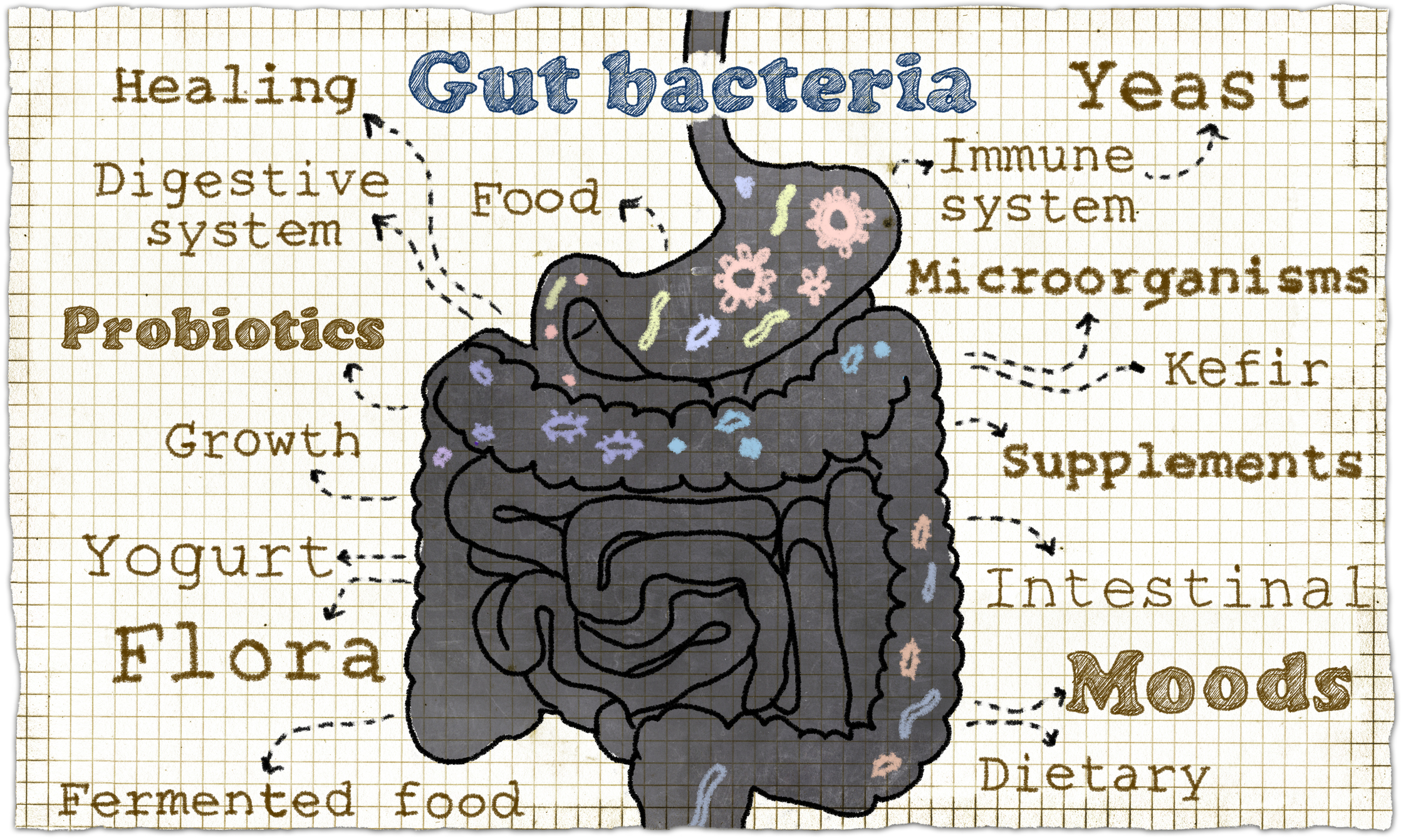
In Crohn’s disease, genetic variants prevent ‘good’ gut bacteria from working

In Crohn’s disease, genetic variants prevent “good” gut bacteria from working. Co-author of the study Dr. Dermot McGovern said, “Bacteria historically have been regarded as an enemy of the body, but more recently we have been identifying bacterial types that seem to be beneficial to health, especially in the case of IBD.” The researchers uncovered ...click here to read more

Heart disease risk associated with gallstones

There is a higher risk of heart disease in those who develop gallstones, according to new research findings. The study involving a quarter-million Americans found that there was a higher risk of future heart disease in those participants who had a history of gallstones. The risk was 17 percent higher, compared to persons who did ...click here to read more

Diverticulosis progressing into diverticulitis risk is just one percent over seven years: Study

The risk of diverticulosis progressing into diverticulitis is actually quite low – just one percent over seven years, according to research findings. The present 15-year study contradicts the common belief on the rate of progression of diverticulosis into diverticulitis. The UCLA researchers uncovered that the progression risk is, in fact, significantly lower than previously believed ...click here to read more

Alzheimer’s disease risk reduced with regular diet and exercise

A healthy diet and regular exercise have been found to help lower a person’s risk of Alzheimer’s disease by protecting the brain from the changes that result in mental deterioration. The study looked at 44 patients with mild memory problems. The researchers found that those who followed the Mediterranean diet and were more physically active ...click here to read more

Lower LDL cholesterol and triglycerides naturally with strawberries

LDL cholesterol and triglycerides can be lowered naturally by eating strawberries. The health benefits of antioxidants are well known, and strawberries are packed with these powerful substances. For the present study, 23 healthy participants had to eat 500 grams of strawberries every day for over a month. Blood samples were taken at the start and ...click here to read more

Advertisement