Author Archives : Dr. Victor Marchione

Advertisement

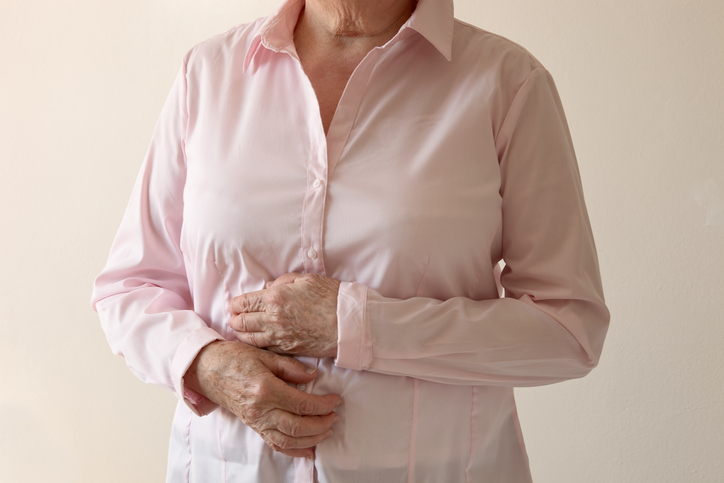
Menopause effects on digestive system – causes and remedies

Menopause can impact your digestive system, causing problems that weren’t previously there. Menopause is a natural part of a woman’s life, characterized by the ending of the menstrual cycle, which means she is no longer fertile. Menopause is often accompanied by symptoms like hot flashes, night sweats, sleep disruptions, and mood changes. A healthy digestion ...click here to read more

Advertisement

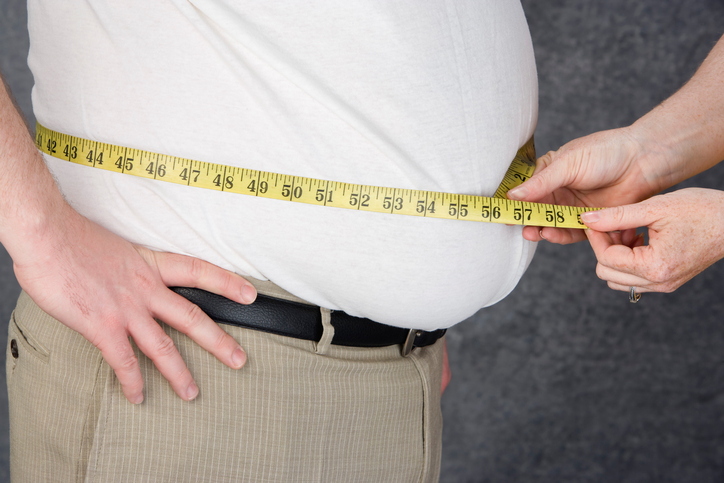
Frequent urination risk higher in men with larger waist circumference: Study

Frequent urination risk is higher in men with larger waist circumference. The researchers found that men with waist measuring over than 100cm were three times more likely to report urinary problems, compared to men with a waist circumference of 90cm or less. Larger waist circumference was also associated with higher blood pressure, heart disease, type ...click here to read more

Baby boomers and heart disease: Effects of aging on heart health

Aging baby boomers need to be concerned about their heart health and heart disease risk. The likelihood of developing a cardiovascular condition increases with age, so it’s important that seniors take the necessary steps in order to reduce their risk. Your body undergoes many changes with aging. For example, blood vessels also age, becoming weaker, ...click here to read more

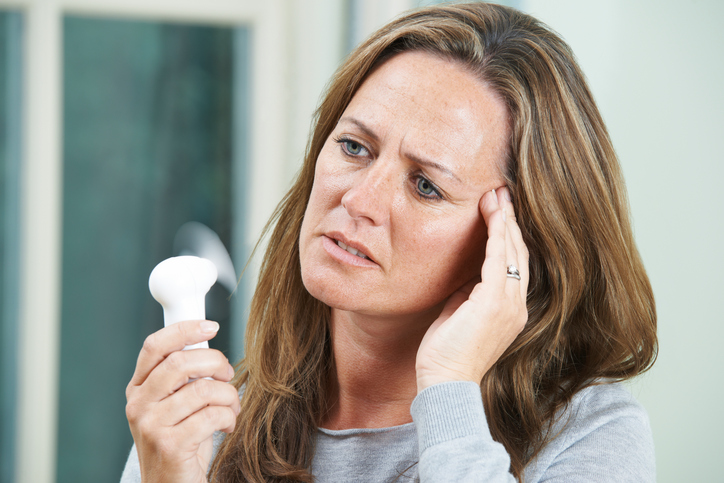
Menopause and its effect on cholesterol levels

Menopause seems to have an effect on cholesterol levels. While estrogen supports high levels of HDL (good) cholesterol during a woman’s reproductive years, once she goes through menopause, her estrogen levels decrease. So do the levels of HDL cholesterol, allowing for LDL levels to rise, thus increasing the risk of cardiovascular disease and stroke. Practicing ...click here to read more

Bladder problems in women after menopause, urinary tract infections, urinary incontinence, and prolapsed bladder

Bladder problems commonly occur in women after menopause and can include urinary tract infections, urinary incontinence, and prolapsed bladder. There are many reasons why bladder problems are more predominant after menopause, including a reduction in estrogen levels, along with the consequences of pregnancy and giving birth. Being aware of bladder problems can make you more ...click here to read more

Advertisement