
Author Archives : Dr. Victor Marchione

Advertisement

Bladder incontinence after stroke: Treatment and home remedies

Bladder incontinence can develop after a person has experienced a stroke, depending on the degree of the brain damage and location of the affected area. Bladder incontinence is usually brought on by the weakness of bladder muscles which reduces one’s ability to control urine. This can lead to urinary urgency, higher urination frequency, and even ...click here to read more


Lewy body dementia distinguished from Alzheimer’s, Parkinson’s disease by comparing clinical profiles: Study

Lewy body dementia can be distinguished from Alzheimer’s disease and Parkinson’s disease by comparing clinical profiles. The study compared 21 patients with Lewy body dementia to 21 Alzheimer’s patients and 21 Parkinson’s disease patients. Patients were matched based on age, gender, education, race, cognitive impairment, and physical impairment, and were compared based on cognitive, functional, ...click here to read more

Dementia risk may increase with general anesthesia exposure in elderly patients: Study

Dementia risk may increase with general anesthesia exposure in elderly patients. The risk of developing dementia is 35 percent higher in those seniors who were exposed to general anesthesia. Other studies have found that post-operative cognitive dysfunction (POCD) can progress into dementia several years later. The study found that some anesthetics could promote inflammation of ...click here to read more

Advertisement

Hypertension, high cholesterol, and type 2 diabetes linked to greater risk of peripheral artery disease in men

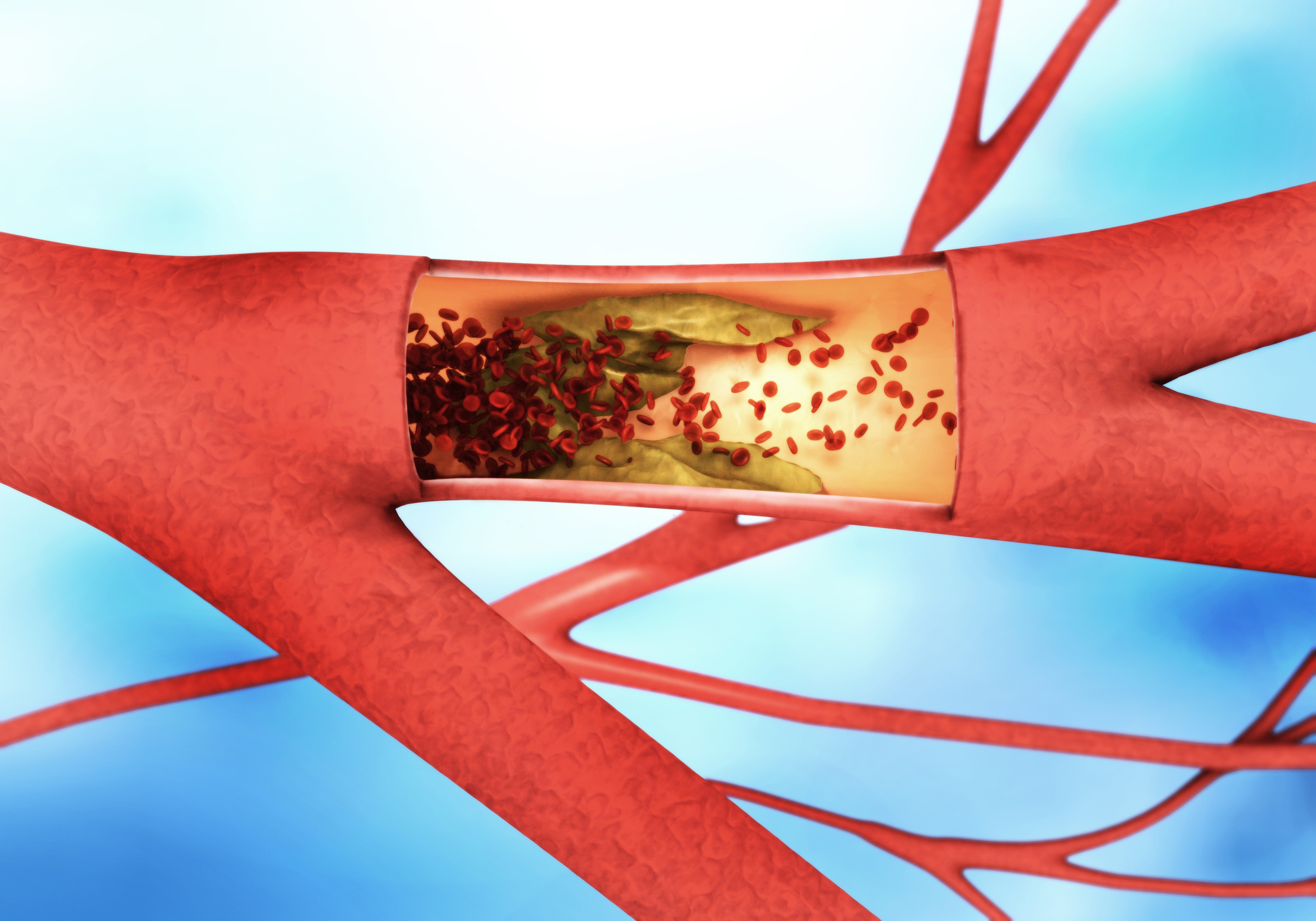
Hypertension, high cholesterol, and type 2 diabetes are linked to a greater risk of peripheral artery disease (PAD) in men. An atherosclerotic syndrome characterized by blockage of the arteries, especially in the extremities, peripheral artery disease affects eight to 10 million people in the U.S. It is associated with reduced function and a higher risk ...click here to read more

Alzheimer’s disease risk may be lowered by treating high blood pressure, high cholesterol, and diabetes

Alzheimer’s disease risk may be lowered by treating high blood pressure, high cholesterol, and diabetes. The study followed 837 people with mild cognitive impairment which can progress into Alzheimer’s disease. Of the group, 414 participants had at least on vascular risk factor. Participants completed blood testing and medical history questionnaires, along with other tests measuring ...click here to read more

Postprandial hypotension: Causes, symptoms, and treatment

Postprandial hypotension is low blood pressure after a meal. This condition can manifest itself as dizziness or lightheadedness and affects nearly one-third of older men and women. Proper digestion is accomplished when the functioning of the digestive, nervous, and circulatory systems is precisely coordinated. Extra blood is directed to the intestines and stomach. To compensate ...click here to read more

Advertisement