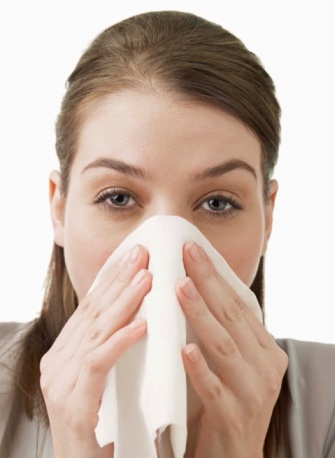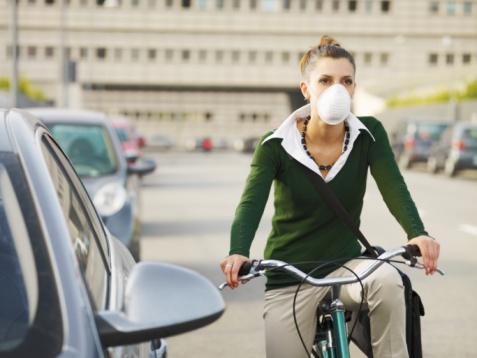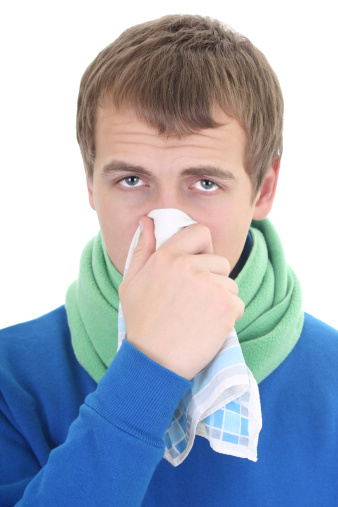

Allergic reactions pertain to immune system responses to foreign particles that may have entered the body and may potentially cause damage to cells and tissues. Allergic reactions are generally triggered by tiny particles floating in the air or small molecules that may be present in certain food items, fabrics, and other materials that come in contact with the skin. Changes in season may also bring about allergic reactions, triggering the immune system to engage in protecting the body from further …
In the last few decades, there has been a growing concern for the quality of indoor air that circulates in homes. Respiratory health problems have been reported to be associated with the quality of the materials used in the construction of homes, including allergic reactions to paint and other building materials. The amount of time spent indoors in the past several years has also increased, based on the improvement in computer technologies that allow people to communicate and perform other …
Allergic reactions are caused by hypersensitivities to an otherwise benign substance. Allergic reactions can be triggered by almost anything, and two of the most prevalent forms of allergies include seasonal allergies and food allergies. It is estimated that one out of every 13, or 8 percent of American children suffer with food allergies and this number is on the rise. Some of these children have multiple food allergies and 39 percent of them have an allergy that is so severe, …
Asthma is a chronic condition that involves inflammation of the airways that are responsible for normal breathing. When you have an asthma attack, the muscles surrounding your airways tighten, making it difficult to breathe. This can causes wheezing, coughing, shortness of breath and tightness of your chest. Allergic reactions are a common trigger for asthma attacks. The severity of symptoms can range from mild to severe depending on the person. It is imperative that you take preventative steps to help …